


16 Dog Breeds Most Prone to Separation Anxiety (And How to Help Them)
Some dogs have a harder time being alone than others. When left by themselves, they may bark more than usual, pace, chew, or have trouble settling until their pet parent returns. While every dog responds differently, these behaviors can be signs that your dog may need more structure, reassurance, and gradual support when practicing alone time.
Any dog can have difficulty adjusting to time apart, regardless of breed or background. However, some anxious dog breeds may be more likely to show separation-related behaviors because of their temperament, original working roles, strong people-focused nature, or need for regular mental and physical activity.
Understanding which anxious dog breeds may need extra support can help pet parents build better routines early. With predictable schedules, gradual alone-time practice, enrichment, and calming support when appropriate, you can help your dog feel more secure and maintain a calmer, more balanced routine when home life changes.
What is Separation Anxiety in Dogs?
Separation anxiety in dogs is commonly used to describe behaviors that can appear when a dog has a hard time being away from their family or primary caregiver. Some dogs may bark, pace, whine, chew, or have trouble settling when left alone, especially if they are still learning how to feel comfortable during time apart.
It is important to understand that these behaviors are not always simple boredom or disobedience. For many dogs, time alone can feel unfamiliar or overwhelming, especially without a consistent routine, enough enrichment, or gradual alone-time practice.
Because every dog responds differently, the best approach is patient and supportive. Predictable routines, short practice periods, calm departures and arrivals, and appropriate calming support can all help dogs build confidence and maintain a more balanced emotional state when home life changes.
Signs Your Dog May Struggle With Alone Time

Dogs that have a hard time being alone may show changes in behavior soon after their pet parent leaves. These signs can look different from dog to dog, and they may range from mild restlessness to more noticeable behaviors around the home. Recognizing these patterns can help pet parents respond with patience, structure, and a more supportive routine.
Common signs may include:
Vocalizing after you leave:
Some dogs may bark, howl, or whine when they are separated from their family, especially if they are still learning how to feel comfortable during time alone.
Chewing or scratching around the home:
A dog may chew furniture, scratch at doors, dig at carpet, or focus on windows and entryways. These behaviors can happen when a dog is unsettled and trying to reconnect with their pet parent.
Accidents indoors:
Some dogs may urinate or have a bowel movement inside the house, even if they are normally house-trained. If this happens suddenly or repeatedly, it is a good idea to check with your veterinarian to rule out other causes.
Pacing, panting, or drooling:
A dog that cannot settle may pace, pant, drool, or move through the same area repeatedly. These behaviors can be signs that your dog needs more support during alone-time practice.
Trying to get out of a crate or room:
Some dogs may push, scratch, or paw at crates, doors, or gates when confined. If your dog could injure themselves, speak with your veterinarian or a qualified trainer for guidance.
Noticing these behaviors early can help you build a more thoughtful plan. Gradual alone-time practice, predictable routines, enrichment, and appropriate calming support may help your dog feel more secure and maintain a calmer emotional balance when separated from their family.
Common Reasons Dogs May Struggle With Alone Time

Several life changes and personality traits can make alone time more challenging for dogs. While every dog is different, understanding these factors can help pet parents create a more supportive routine.
Change in routine:
A sudden shift in the family schedule, such as a pet parent returning to work after spending more time at home, can feel unfamiliar to a dog. Predictable meals, walks, playtime, and rest periods can help create a more consistent daily rhythm.
Change in the household:
When a family member moves out, passes away, or is no longer part of the dog’s daily routine, some dogs may need time to adjust. Extra patience, familiar activities, and steady reassurance can help support a smoother transition.
Rehoming or adoption:
Dogs who are newly adopted or rehomed may need time to feel comfortable in a new environment. Adult dogs and shelter dogs may be especially sensitive to changes in routine, space, and time apart as they learn what to expect in their new home.
Breed temperament and attachment style:
Some breeds are naturally more people-focused, attentive, or routine-driven. These dogs may prefer staying close to their family and can find alone time more difficult, even in a loving and familiar home.
With a consistent schedule, gradual alone-time practice, enrichment, and appropriate calming support, pet parents can help dogs feel more secure and maintain a calmer emotional balance during daily changes.
Top 16 Dog Breeds That May Struggle With Alone Time
Some dogs may have a harder time being alone, but breed alone does not determine how a dog will behave when you step out. Every dog is different, and their response can depend on training, routine, exercise, age, environment, and past experiences.
That said, some anxious dog breeds may be more people-focused, sensitive to routine changes, or historically bred to work closely with humans. These traits can make alone time more challenging without enough structure, enrichment, and gradual practice.
Knowing these patterns can help pet parents support anxious dogs with exercise, predictable routines, training, and calm daily habits that help maintain a more balanced emotional state.
If you have one of these breeds, pay attention to changes like pacing, barking, chewing, whining, or difficulty settling when left alone.
Labrador Retriever

Labrador Retrievers are friendly, social dogs that often enjoy being close to their families. Because they are active and people-oriented, they usually do best with regular exercise, enrichment, and a predictable routine. Without enough activity or structure, some Labs may bark, chew, or follow their pet parent closely for reassurance.
Border Collie

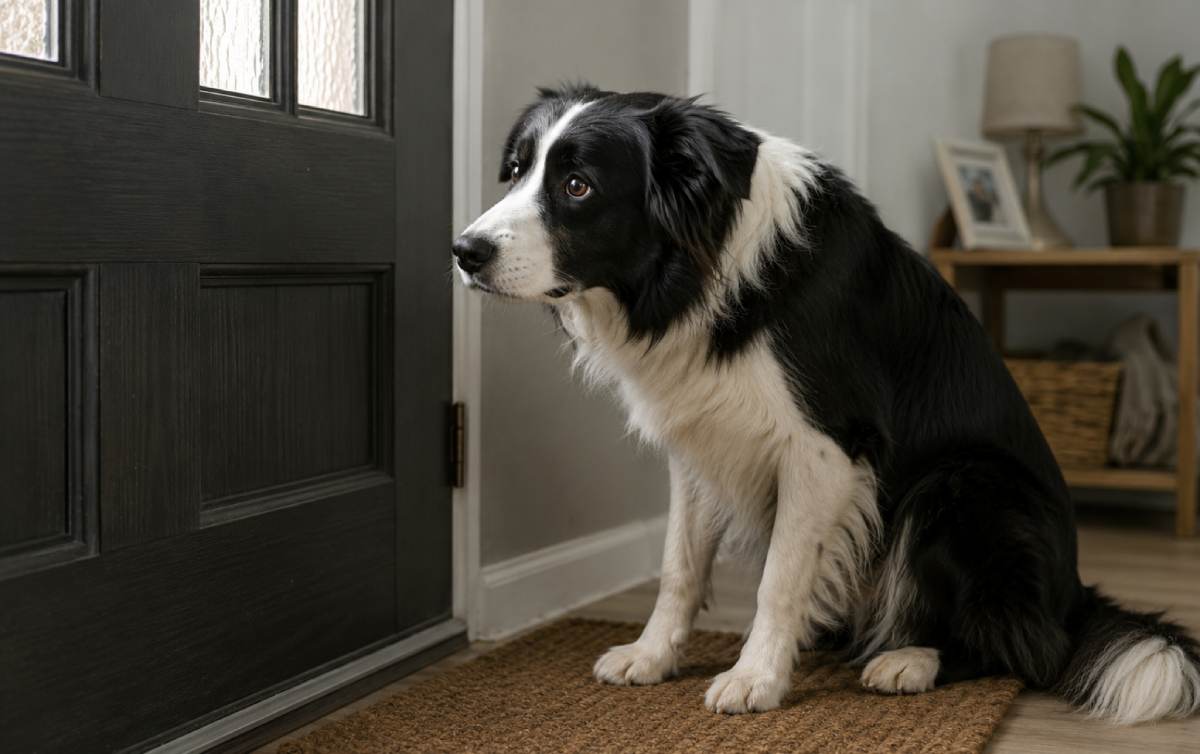
Border Collies are intelligent, high-drive dogs that often need mental work, movement, and clear structure throughout the day. For anxious dogs like Border Collies, alone time may feel harder when their needs for activity and problem-solving are not being met. Puzzle toys, training games, scent work, and gradual alone-time practice can help support calmer behavior.
Cavalier King Charles Spaniel

Cavalier King Charles Spaniels are affectionate companion dogs that often enjoy being close to their people. Because they were bred for companionship, some Cavaliers may find alone time more challenging without gradual practice and a predictable routine. Short, positive alone-time sessions, cozy rest spaces, and calm departures can help support a more secure and settled routine.
Jack Russell Terrier

Jack Russell Terriers are energetic, curious dogs that usually need plenty of activity and mental enrichment. Without enough movement or structure, some may bark, dig, chew, or look for ways to stay busy on their own. Daily exercise, puzzle toys, training games, and consistent routines can help support calmer behavior when they need to spend time alone.
German Shepherd

German Shepherds are loyal, intelligent dogs that often form strong bonds with their families. Some may have a harder time settling when their primary person leaves, especially without confidence-building practice and predictable departures. Training, enrichment, physical activity, and calm routines can help support normal emotional balance during time apart.
Australian Shepherd

Australian Shepherds are active, intelligent dogs that typically need regular exercise, mental enrichment, and clear daily structure. Without enough activity or problem-solving, some Aussies may have a harder time settling and may bark, pace, chew, or look for their own ways to stay busy. Training games, scent work, puzzle toys, and predictable routines can help support calmer behavior during time apart.
Bichon Frise

Bichon Frises are affectionate companion dogs that often enjoy being near their families. Because they are social and people-focused, some may need gradual practice to feel comfortable when left alone. Short alone-time sessions, a cozy rest space, and a consistent routine can help support a more secure and settled environment.
Vizsla

Vizslas are often called “Velcro dogs” because they tend to stay close to their people. Their loyal, people-focused nature can make alone time more challenging without enough exercise, enrichment, and practice. If a Vizsla has trouble settling, they may whine, pace, chew, or stay focused on doors and windows. A steady routine, physical activity, and calm departures can help support normal emotional balance.
German Shorthaired Pointer

German Shorthaired Pointers are athletic, energetic dogs that often thrive with regular exercise, outdoor activity, and mental enrichment. Without enough movement or structure, some may have a harder time settling and may bark, chew, or look for other ways to stay busy. Daily exercise, training games, and predictable routines can help support calmer behavior during time apart.
Toy Poodle

Toy Poodles are intelligent, observant, and often closely bonded with familiar people. As one of the most sensitive dog breeds, some Toy Poodles may notice small changes in routine and have a harder time settling before their pet parent leaves. Gradual alone-time practice, calm departures, and a cozy rest space can help support a more secure routine.
Cocker Spaniel

Cocker Spaniels are affectionate, social dogs that often do well with consistency and familiar routines. For nervous dogs in this breed, longer periods alone or sudden schedule changes may make settling more difficult. Exercise, enrichment, and predictable daily habits can help support normal emotional balance when they need to spend time apart from their family.
Lagotto Romagnolo

Lagotto Romagnolos are smart, family-focused dogs that are quick to notice changes in their environment. Because they were bred for scent work, they often benefit from mentally engaging activities like sniffing games, puzzle toys, and short training breaks. A routine that includes both physical activity and mental enrichment can help support calmer behavior and a more settled response to alone time.
Shetland Sheepdog (Sheltie)

Shetland Sheepdogs are alert, sensitive, and highly responsive to household routines. Because they often notice small changes in their environment, some Shelties may need gradual alone-time practice early on. As one of the dog breeds with anxiety often discussed by pet parents, they can benefit from predictable cues, enrichment, and calm routines that help support a more settled response when left alone.
Miniature Schnauzer

Miniature Schnauzers are people-oriented dogs with a strong watchdog instinct, so they tend to notice sounds, movement, and changes around the home. During alone time, some may bark, pace, or stay alert near doors and windows. Calm practice, consistent departure cues, and mental enrichment can help support better behavior and a more balanced routine.
Greyhound

Greyhounds, especially retired racers, may need time to adjust to home routines and periods of solitude. A slow transition, a comfortable resting space, and a steady daily schedule can help support confidence and relaxation as they learn what to expect in their new environment.
Chihuahua

Chihuahuas often form strong bonds with one familiar person and may have a harder time settling when separated. If you have a chihuahua scared by changes in routine or time alone, you may notice barking, accidents, shaking, or extra clingy behavior. Short practice sessions, a cozy rest area, and calm departures can help support normal emotional balance during alone time.
Why Do Some Dogs Have a Harder Time Being Alone?
Some dogs may show more noticeable changes in behavior during alone time when they have not had gradual, consistent practice being by themselves. For dog breeds with separation anxiety, time apart can feel more challenging because many dogs are naturally social and rely on familiar routines, companionship, and predictable daily patterns.
When a dog is closely bonded with their pet parent, they may need extra support learning how to feel comfortable when that person leaves. This does not mean the dog is being difficult on purpose. In many cases, they may simply need more structure, enrichment, and step-by-step practice to build confidence during short periods alone.
More sensitive breeds may have a harder time with separation-related stress for a few reasons. Some may not have had enough early practice with alone time, while others may be adjusting to a new home, a changed routine, or past experiences that made time apart feel unfamiliar. A patient routine, gradual departures, calm returns, and appropriate calming support can help promote relaxation and maintain a more balanced emotional state.
How to Help
Helping dogs with separation-related stress takes patience, consistency, and a gradual approach. Instead of expecting your dog to adjust all at once, focus on small steps that help them build confidence during alone time.
Here are a few supportive strategies that may help:
Create a calm, comfortable space
Set up a dog-friendly area, such as a crate, gated room, or cozy corner, where your dog can rest while you are away. Keep the space quiet, familiar, and free of anything they could chew or damage. The goal is to make this area feel predictable and low-stimulation, not like a punishment.
Offer a positive activity before you leave
A long-lasting chew, lick mat, or puzzle toy can give your dog something calm and focused to do as you step out. Choose something your dog already enjoys and only use items that are safe for unsupervised use. This can help make departures feel more routine and less eventful.
Practice departure cues without leaving
Dogs often notice small patterns, like grabbing keys, putting on shoes, or walking toward the door. Practice these cues throughout the day without actually leaving so they become less exciting or concerning over time. With repetition, your dog may begin to respond more calmly to your normal leaving routine.
Start with short alone-time sessions
Begin with very brief departures, even just a few seconds, and gradually increase the time as your dog becomes more comfortable. A pet camera can help you check whether your dog is settling while you are away. If your dog seems unsettled, shorten the next session and build more slowly.
Use calming support when appropriate
Some pet parents also use tools like pheromone diffusers, calming vests, enrichment, or supplements to help support normal emotional balance during routine changes. Calming products should be used as part of a broader routine that includes training, consistency, and gradual alone-time practice.
For dogs who have ongoing difficulty being alone, or if they may injure themselves while trying to get out of a crate, room, or home, it is best to speak with your veterinarian or a qualified trainer. They can help you create a plan that fits your dog’s individual needs.
Things to Avoid
When helping your dog adjust to alone time, it is just as important to avoid habits that can make departures feel more intense. The goal is to create a neutral, predictable routine that supports calm behavior before you leave and after you return.
Avoid emotional farewells and greetings
Try to keep departures and arrivals calm and uneventful. A quiet goodbye and a relaxed return can help your dog understand that leaving and coming back are normal parts of the day. Once your dog has settled, you can offer attention in a calm, reassuring way.
Avoid punishment
Do not scold your dog for chewing, barking, or accidents that happen while you are away. These behaviors often mean your dog is having a hard time settling, not that they are trying to misbehave. Punishment after the fact can make alone time more confusing and may make it harder for your dog to feel comfortable during future departures.
Avoid making alone time a surprise
Try not to make time apart feel sudden or unpredictable. Instead, practice short, gradual departures so your dog can learn what to expect. Even on busy days, keeping a consistent routine can help build confidence over time. Slowly increase the length of time away as your dog becomes more comfortable resting in their own familiar space.
FAQs
How can I tell if my dog has separation anxiety?
Dogs with separation-related stress may show behaviors like barking, chewing, pacing, whining, or having accidents indoors when their pet parent is away. Some dogs may also stay focused on doors, windows, or other exit points as they try to understand when their family will return.
Can separation anxiety in dogs be fixed?
Many dogs can make meaningful progress with patient training, gradual alone-time practice, and a consistent daily routine. Progress can take time, and some dogs may benefit from support from a veterinarian or qualified trainer, especially if they have a hard time settling or may injure themselves while alone.
What causes separation anxiety in certain dog breeds?
Separation-related behaviors can develop from a mix of breed tendencies, past experiences, routine changes, environment, and training history. Some breeds were developed to work closely with people, which may make them more sensitive to changes in routine or time apart from their family.
What are some least anxious dog breeds?
Some breeds, such as Basset Hounds, Chow Chows, and French Bulldogs, are often described as more independent or lower-energy than highly active working breeds. However, there is no guaranteed list of least anxious dog breeds because every dog’s comfort with alone time depends on personality, routine, training, and environment.
Are huskies anxious dogs?
Huskies are energetic, social dogs that often need regular exercise, enrichment, and structure. The question “are huskies anxious dogs?” is common because some Huskies may bark, howl, dig, pace, or look for ways to stay busy when their physical and mental needs are not met. A consistent routine, activity, and gradual alone-time practice can help support calmer behavior.