

Cat Seasonal Allergies: Signs, Causes & Relief
Here’s the thing: we often see seasonal allergies in cats. A little bit of pollen or maybe a mold that comes indoors will possibly make your cat sneeze or scratch lot. Noticing this soon is quite useful. After you get how to handle a cat that has seasonal allergies, your animal may begin to get better quite quickly.
What Are Seasonal Allergies in Cats?
Seasonal allergies in cats happen when their immune system reacts to pollen or mold. This reaction causes itching and skin irritation. It’s most common in spring or summer. If your cat hides or overgrooms, it’s a red flag. Catch it early so they can feel comfy again — it really helps a lot.
People always ask, “Can cats have seasonal allergies?” and “Can seasonal allergies cause itchy skin?” Yes, they can, and that’s why many cats scratch or lick more than usual.
Types of Seasonal Allergies in Cats

There are a few types of allergies in cats that show up with the seasons. Figuring out what’s causing them makes helping your cat way easier.
-
Airborne Allergies by pollen, mold, or dust in the air.
-
Flea Allergy Dermatitis happens when a cat reacts to flea saliva. One bite can make them itchy for days.
-
Contact Allergies by touching sprays, fabrics, or plants.
-
Environmental Allergies happen with changes in air, humidity, or dust.
Each type needs a different cat allergy treatment, plus regular vet visits and a clean home.
What Causes Seasonal Allergies in Cats
“Seasonal” basically means the allergies start or get worse in certain months when there's more of an allergen outside. Even indoor cats aren't safe. Allergens can ride inside on your clothing or blow through open windows.
Common allergens are:
-
Tree, grass and weed pollens. Big problem in spring and fall.
-
Mold spores. Grow fast in damp spots or humid rooms.
-
Dust mites. Stay all year, but are worse when it’s humid.
-
Flea bites. Flea allergy dermatitis flares up badly in summer and early fall.
Exposure to these triggers can cause cat seasonal allergies symptoms like scratching, watery eyes, or respiratory irritation. Allergens also settle on your cat’s fur. Your cat grooms, then they swallow that stuff. This makes internal inflammation and stomach upset way worse.
How to reduce cat allergies naturally in your home? A regular cleaning routine helps reduce allergens. Vacuum often, wash bedding every week, and use HEPA filters to trap dust and pollen.
Symptoms of Seasonal Allergies in Cats
Watch for these common signs grouped by system:
1. Skin-related:
-
Persistent scratching or licking
-
Overgrooming causing bald spots
-
Scabs or flaky patches
-
Red, irritated skin
2. Respiratory:
-
Sneezing or coughing
-
Watery or itchy eyes
-
Runny nose
3. Ear Issues:
-
Frequent head shaking
-
Waxy buildup or odor inside ears
-
Inflamed ear canals
4. Digestive:
-
Vomiting or frequent hairballs (this is often from grooming too much)
Seasonal vs. Food Allergy: The thing about seasonal allergies in cats is, they cycle (spring, summer, fall). Food allergies remain constant all year long. If symptoms never really go away, your vet will instead explore diet related causes.
Some cats with untreated allergies can get infections from scratching too much. You might notice sores or bald spots. Their fur may feel rough or uneven. Know how to treat a cat with seasonal allergies and get help quickly to prevent these problems. It helps restore healthy skin fast.
Causes for Seasonal Allergies in Cats
Cats get allergic responses in certain seasons because things like pollen, mold, dust or the fleas trigger their immune system. Such allergens may attach to hair, come inside the house or float in sticky air. Itching and sneezing starts or the skin gets red, especially more in autumn and spring.
Can Cats Living Indoors Get These Allergies?
Indoor cats also are able to have seasonal allergies. Pollen and mold gets inside when the windows are open and can stick on clothes people wear. Cats clean themselves a lot and by licking, they eat some allergens increasing the discomfort. Make sure the home remains clean, keeps dry and choose products with no strong smells to help limit these triggers
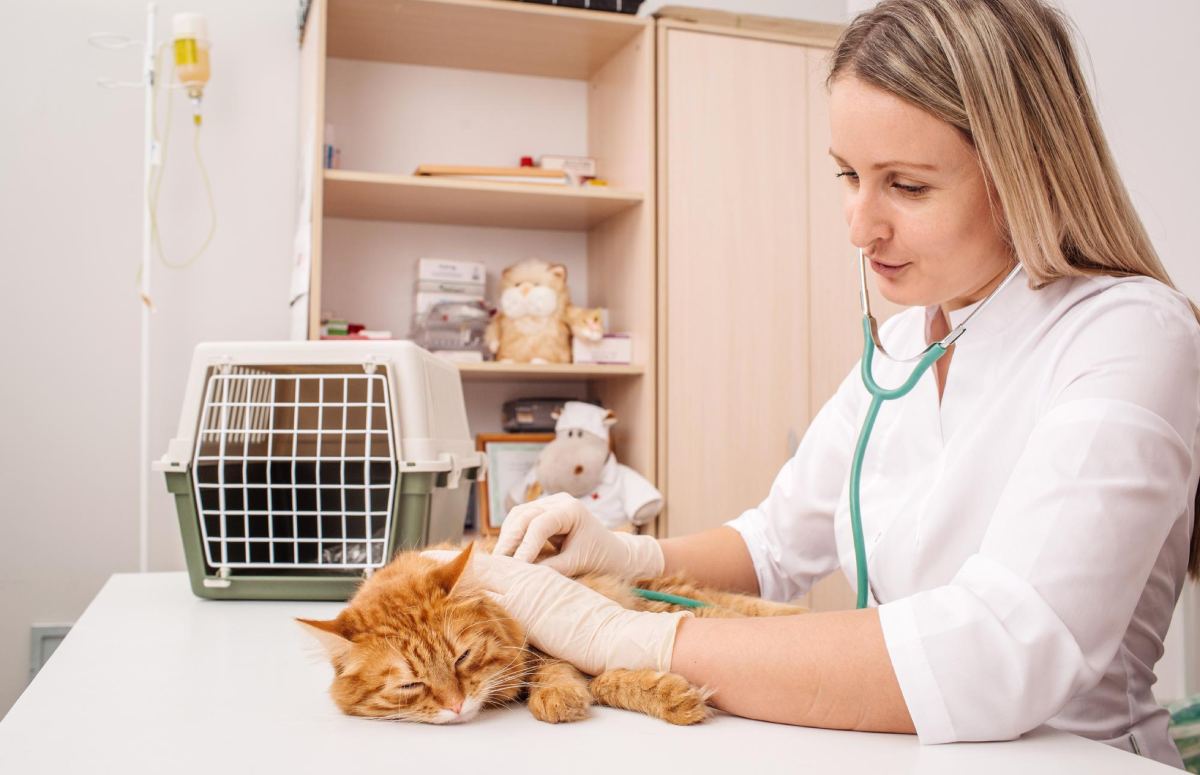
Diagnosis: How Vets Confirm Allergies
Don't just guess if you think your cat has allergies. It’s important to know for sure. Vets use different tests to figure out the cause:
-
Physical Exam: The vet looks over your cat’s skin, ears, and coat for redness or bugs.
-
Allergy Testing: Blood or skin tests help figure out what’s setting them off.
-
Elimination Trials: If food allergies are suspected, the vet may try a limited-ingredient diet for 8–12 weeks to spot the trigger.
-
Dermatology Referral: For super chronic or unclear cases, a vet dermatologist can do advanced testing or set up immunotherapy.
There are a few right cat seasonal allergies treatment plan, from medicine to simple lifestyle changes.
Treatment Options: Medical & Supportive
You may think about how to treat a cat with allergies. Every cat is unique. Treatment usually means you should work with your vet and keep up small daily habits at home.
Veterinary Treatments for Cat Allergies:
-
Antihistamines: Sometimes they use these to lessen itching, but results totally vary from cat to cat. Always use them only when the vet says so.
-
Corticosteroids: They work real good for calming down inflammation and stopping those flare-ups quick.
-
Allergy shots or immunotherapy: Helps your cat’s immune system get less sensitive to all those allergens over time.
-
Flea Control Treatments: Needed all year. Even indoor cats need protection since flea bites worsen skin reactions.
Supportive Home Care:
-
Regular Grooming: Brush often to get pollen and dust off their coat. Keeps them cleaner and less itchy.
-
Hypoallergenic Baths: Use soft, cat-safe shampoo. Helps calm dry or irritated skin.
-
Frequent Cleaning: Vacuum a lot. Wash bedding every week. Try HEPA filters to trap allergens.
-
Pollen Management: Close windows when pollen high. Air purifiers help too.
-
Balanced Diet & Hydration: Good food, fresh water. Keeps skin strong and immune system steady.
-
Stress Management: Stressed cats scratch more, groom more. Makes it worse. Keep them relaxed.
Little care at home plus vet advice keeps cats comfy during allergy season. Some owners also use omega oils or humidifiers for extra relief.
What Can I Give My Cat for Allergies
You need a gentle approach for feline allergies. Your vet may prescribe medicine, but there are also safe ways to help at home.
-
Medications: Antihistamines or corticosteroids calm inflammation.
-
Flea prevention: Keeps your cat on flea control all year. It saves a lot of trouble later.
-
Moisturizing sprays or shampoos: Cat-safe ones work nice to soothe dry or itchy skin.
-
Environmental Control: Clean regularly. Cut down on dust accumulation.
The Role of CBD in Allergy Support
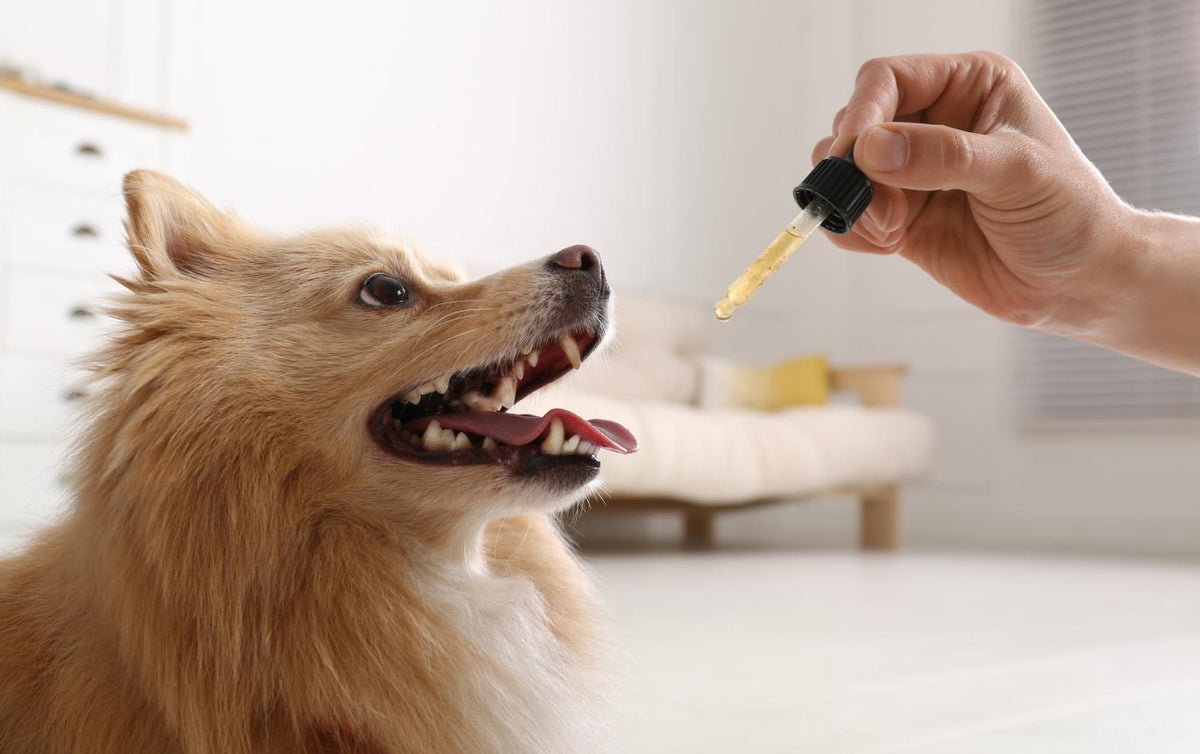
CBD doesn’t like, cure allergies. But it can help the body’s response to inflammation, itching, and stress. CBD interacts with your cat’s natural system that helps control mood, stress, and immune response.
How CBD Helps
Balances immune response: Calms the body and helps it react better to allergens.
Promotes relaxation: Eases stress and helps stop all that extra scratching or grooming.
Supports Skin Recovery: Keeps the skin soft and strong with regular CBD use.
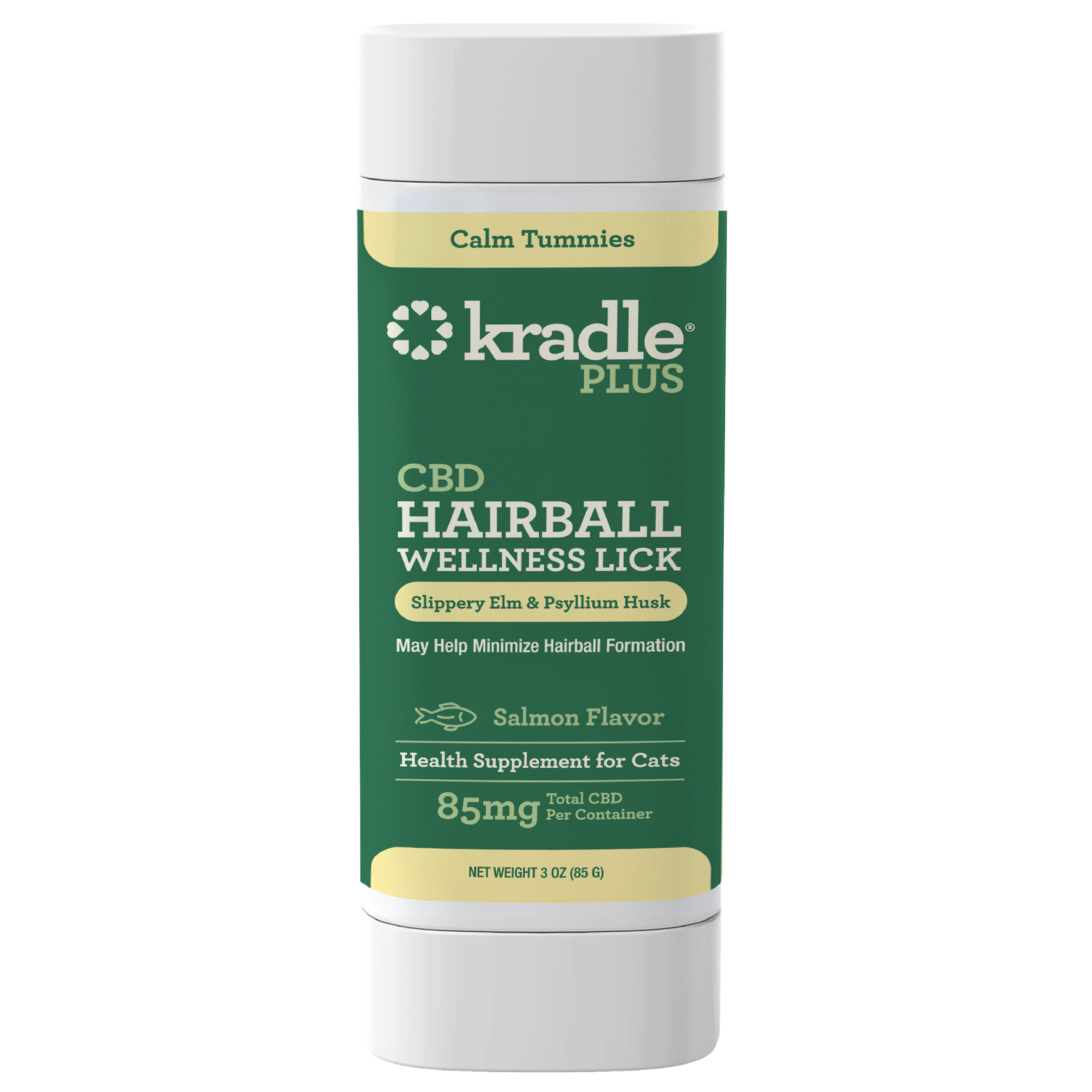
Products like CBD Cat Skin & Allergy Wellness Lick are formulated to offer gentle support for your cat’s skin and overall comfort, helping them stay calm and comfy. You can also look up how does CBD help with cat allergies, which explains how CBD works with your cat’s natural systems to maintain comfort. Check out Kradle’s full range of CBD products for pets to find gentle, high-quality options designed for your cat’s needs.
Also your vet might suggest to add nutrients like zinc and biotin to their diet. These can help your cat recover from dryness and irritation faster. Pair this with calming options your vet recommends. It helps your cat’s body heal and keeps their mood steady.
Restoring Comfort and Calm to Your Allergic Cat
It’s hard to watch your cat itch or be restless. The good thing is, most cats do fine once allergies are under control. Start with a vet visit to find the cause. Manage the triggers and follow their advice. Cat seasonal allergies ease with small home changes and gentle CBD support. It keeps them cozy.
FAQs
Does CBD help with cat allergies?
Yes. CBD is helping with itching or discomfort from allergies, which brings calmness to the immune system and lowers discomfort in cats. It does not heal allergies but it can help to make your cat become more chill. Use CBD together with a cat’s routine plan for best results.
What can I give a cat for seasonal allergies?
First, talk to a veterinarian. The doctor can recommend antihistamines or corticosteroids or maybe even natural options such as CBD. Keeping the bed and room of the cat clean, avoiding dust and pollen, is important. You should also groom them by brushing often, which means less allergens in their fur.
Do vets recommend CBD for cats?
Yes. Plenty of veterinarians are in favor of CBD for general cat health. It can help decrease stress and keep cats more peaceful. Always select the CBD products that are lab-checked, and made only for pets to ensure safety and good quality.
What time of year do cats get seasonal allergies?
Most of allergy occur in spring, in summer and early autumn. Pollen and mold plus the fleas are much more around during such period.
Can I use coconut oil to treat cat allergies?
Yes. Coconut oil is helpful for dried skin but it cannot fix allergy issues. Ask your vet before you put it on the skin of your cat or mix it inside the food.