


Do Dogs Get Bored? Recognizing the Signs and How to Keep Them Happy
Many people wonder: Can dogs get bored? They can get bored, just like humans. When life lacks fun or purpose, they feel it too.
Dogs weren’t meant to lounge around all day. For generations, they were bred to work. Some hunted. Others herded sheep or guarded homes. That kind of life kept them active and alert. But today’s dogs? Many spend hours alone, waiting for their humans to return—no toys, no tasks, just time crawling by
But why do dogs get bored? Boredom isn’t just a mood. It often shows up as problem behaviors. Dogs may chew furniture, dig holes, bark nonstop, or pace. It’s not “bad” behavior. It’s their way of telling you they’re not okay.
The fix starts with understanding. Once you know the signs, you can step in and support your dog. This is especially helpful when you’re wondering, “How to know if my dog is bored?” This guide will walk you through the signs, solutions, and tools that can help your dog feel better.
You’ll learn how to add joy back into your dog’s day through play, puzzles, and simple routine changes. We’ll also look at how Kradle products can support dogs who slide from boredom into anxiety. When boredom is ignored, stress often follows.
Why Do Dogs Get Bored

Breed Instincts
Why do dogs get bored? They get bored when their instincts go unused. Many breeds were built to work all day. Herding dogs crave direction. Hounds live for scents to follow. Guard dogs do best with a role. When those needs go unmet, boredom creeps in and frustration can follow. Without purpose, dogs can lose their natural spark.
Lack of Mental Stimulation
Dogs can get bored when their minds are under-stimulated. Physical exercise helps, but mental engagement matters too. Without puzzles, training, or new experiences, dogs start looking for their own stimulation. That often means chewing, barking, or digging. Mental work helps keep dogs calm, focused, and satisfied at home.
Routine Monotony
Many people wonder, do dogs get bored due to routine monotony? Absolutely. They get bored when life feels predictable. Same walk. Same time. Same toys. Day after day. Routine removes surprise and joy. Over time, excitement fades. Curiosity drops. Energy turns restless. Small changes bring freshness back and keep dogs engaged, alert, and happier.
5 Warning Signs Your Dog Is Bored
Destructive Chewing & Digging
If you’re wondering, “Is my dog bored?” chewing and digging can be helpful signals. Dogs may destroy shoes, pillows, or even the garden to burn off energy and frustration. It is not spite. It is a search for stimulation. When the mind sits idle, the mouth and paws go to work. Bored dogs create their own jobs, and the house often pays the price.
Excessive Barking or Whining
Excessive barking or whining can point to boredom. Dogs use noise to release frustration and get attention. Long hours alone can make it worse. The message is simple. They need engagement and movement. They need something to do before boredom turns into daily stress.
Pacing and Restlessness
Pacing and restlessness clearly signal boredom. Dogs struggle to settle or relax. They walk in circles. They move room to room. Energy has nowhere to go. Mental tension builds quietly. Without stimulation, the body stays alert. Rest never fully comes, even after walks, meals, or playtime during boring uneventful days.
"Naughty" Behavior (Attention Seeking)
Attention seeking behavior is one of the top signs of boredom in dogs. Dogs steal socks, jump, or ignore commands—not out of rebellion, but for a reaction. Any response feels rewarding. Bored dogs crave interaction, and even scolding works. When connection disappears, dogs create chaos to feel noticed, involved, and emotionally engaged.
Overgrooming (Licking Paws)
Many owners wonder, “Is my dog bored?” when over grooming appears. Overgrooming can signal boredom. Dogs lick paws or skin to self soothe. The action releases tension. Repetition brings comfort. But problems can follow. Irritation grows. Infections appear. When boredom lasts too long, licking can replace stimulation and lead to physical pain over time.
Boredom vs. Anxiety: What’s the Difference?
The Confusion
Boredom and anxiety can look similar in dogs. Both can cause chewing, barking, pacing, or restlessness. That’s why many owners feel confused. The behavior looks the same on the surface, but the reason underneath is different. Understanding the cause matters, because the right support depends on it.
The Key Difference
The difference lies in emotion. Boredom comes from lack of stimulation. Anxiety comes from fear or stress. Bored dogs want something to do. Anxious dogs struggle to feel calm. Support tools, like Kradle products, may help promote relaxation and balance as part of a consistent daily routine. They are designed to fit gently into everyday care without replacing training or enrichment.
How to Help with Dog Boredom
Ditch the Food Bowl
Skip the food bowl and use puzzle feeders instead to help dog boredom. Mealtime becomes a game. Dogs think, sniff, and work for food. This switch adds daily mental exercise and reduces boredom fast.
The "Sniffari" Walk
Sniff walks fight boredom instantly. Let your dog stop and explore smells freely. Sniffing works the brain harder than running. It calms energy, boosts confidence, and makes walks more satisfying.
Long Lasting Chews
Long lasting chews keep mouths busy and minds calmer. They satisfy natural chewing instincts. Chewing releases tension and helps dogs relax. Choose options suited to your dog’s size and habits.
Rotate Their Toys
Rotating toys keeps things exciting and help with dog boredom. Put some away and bring them back later. Old toys feel new again. This simple trick sparks curiosity and prevents boredom without buying more toys.
Socialization
Social time prevents boredom and builds confidence. Dogs need interaction with people and other dogs. New faces and environments stimulate the brain. Positive social experiences keep dogs balanced and happier.
Learn a New Trick
Teaching new tricks fights boredom fast. Training challenges the mind and strengthens your bond. Short sessions work best. Learning gives dogs purpose and pride while keeping routines fresh and fun.
Give Them a "Job"
Giving dogs a job reduces boredom. Carrying items, finding toys, or helping at home engages instincts. Jobs provide purpose. Purpose keeps dogs focused, calmer, and less likely to create trouble.
Dog Training Classes
Training classes offer structure and stimulation. Dogs learn new skills while socializing in a safe, controlled setting. Mental work can tire dogs out as much as physical exercise, sometimes more. Classes also help owners understand their dogs better and build better habits at home
Create Games for Your Dog
Homemade games beat boredom easily. Hide treats, play find it, or set up obstacles. Games encourage thinking and movement. They turn ordinary moments into exciting mental workouts for dogs daily.
Supporting a Calm & Happy Dog
Some dogs struggle to calm down because boredom keeps their minds switched on. Even after play, they stay wired. This restless behavior is not just extra energy. It is mental overload. Without balance, dogs never learn to relax. Calm routines and supportive tools can help dogs find their off switch again.
Conclusion
A bored dog often looks naughty. However, boredom is usually the real problem. With a little creativity, most issues are easy to improve. Small changes can make a big difference in how your dog behaves and feels.
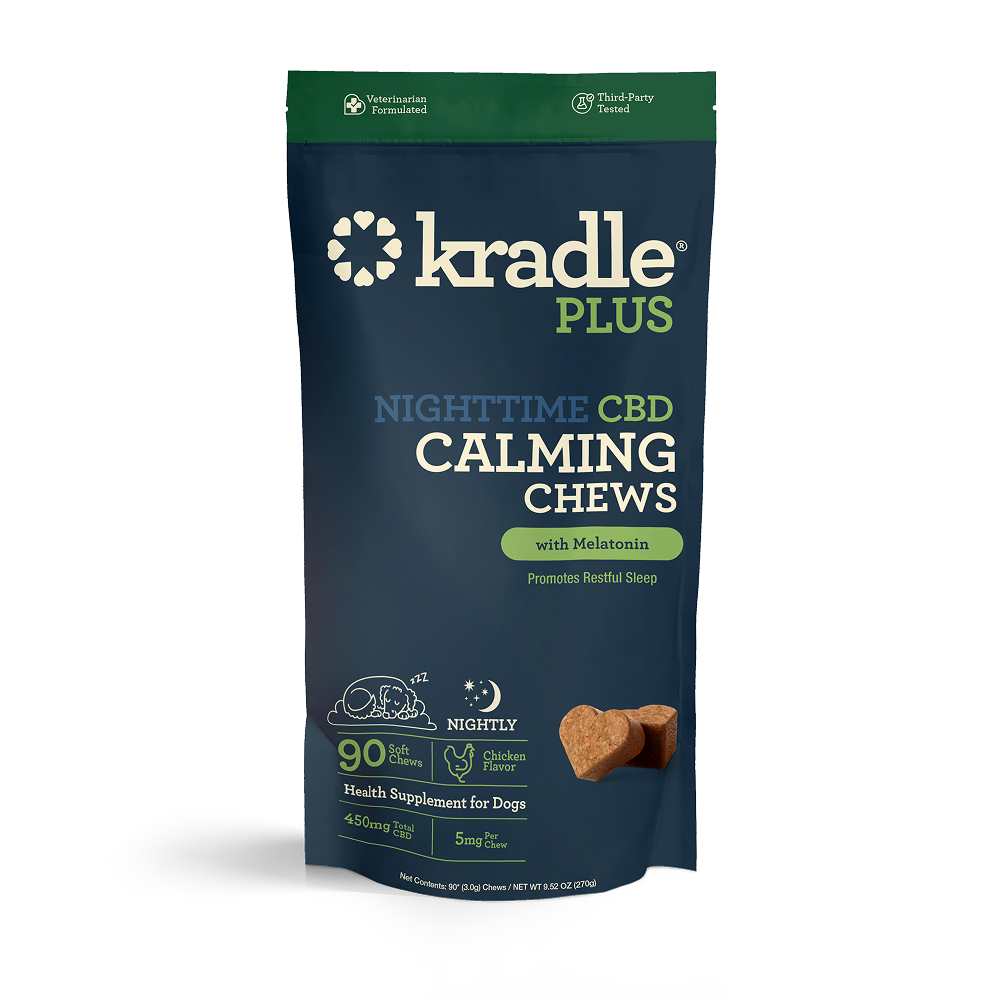
Mental exercise matters just as much as physical exercise. Thinking tires dogs out in a healthy way. It balances and calms them. Alongside enrichment, supportive options like Kradle CBD Calming Chews can be part of a daily routine designed to promote relaxation and emotional balance. A busy mind leads to a happier, calmer dog.
Kradle CBD Dog Supplement is designed to support everyday calm and emotional balance. It fits easily into routines during busy days, changes, or overstimulating moments. When paired with mental enrichment and structure, it helps create an environment where dogs feel more settled and comfortable.
FAQs
How do you tell if your dog is bored?
You see it in the behavior. Chewing. Barking. Pacing. Digging. Even clinginess. These are not flaws. They are signals. Your dog is saying something is missing. Less stimulation creates more problems. Give the mind work, and many of these behaviors quietly disappear over time.
Is it okay for a dog to do nothing all day?
Rest is healthy. Endless idleness is not. Dogs need purpose. A day with no activity drains them mentally. Boredom builds. Frustration follows. The best days mix rest, movement, and thinking. That balance keeps dogs calm, content, and easier to live with at home.
What dog breeds get bored easily?
Working breeds get bored fastest. Herding dogs. Sporting dogs. Northern breeds. They were built to think and move. Take the work away, and boredom fills the gap. That does not mean other breeds are immune. Every dog needs engagement. Some just need more than others.
How often should I play with my dog?
Every day. Short sessions work best. You do not need hours. A few focused minutes matter more. Play, training, or games all count. Regular interaction feeds the mind and strengthens your bond. Consistency keeps boredom from taking root and turning into unwanted behavior.
Is it possible to over-stimulate a dog?
Yes. Too much excitement creates stress. Dogs need calm as much as action. Without downtime, they stay wired. Balance is everything. Activity followed by rest teaches dogs how to settle. A dog that can relax is just as important as a dog that can play.