

Fear Periods in Dogs: A Complete Guide for Pet Parents
Raising a puppy is full of surprises. One moment they are racing through the house with endless energy, and the next they are curled up beside you as if nothing happened. While those ups and downs are part of puppyhood, some changes can feel especially confusing, particularly when a once confident pup suddenly seems timid, hesitant, or uneasy around things that never seemed to bother them before.
If your puppy has recently started acting more cautious or withdrawn, you are not alone. In many cases, this shift may be part of a normal developmental stage commonly referred to as a fear period in dogs. These temporary phases are an expected part of growing up, and und
Puppy Fear Periods vs. Adult Fear Regression: What’s the Difference?

-
Puppy and Adolescent Fear Periods Are Developmental
During certain stages of development, puppies may become more sensitive to unfamiliar people, sounds, places, or experiences. These phases are a normal part of growing up and often reflect how a young dog is learning about the world around them. Patient guidance, steady routines, and positive experiences can help puppies build confidence as they mature.
-
Adult Dogs Can Also Seem Suddenly Fearful
Adult dogs can sometimes appear fearful all of a sudden, but the reason is often different from what happens during puppyhood. Changes in environment, stressful experiences, disrupted routines, or a particularly negative association may all play a role in a shift in behavior. When this happens, a calm approach, consistency, and close attention to new triggers can help pet parents better understand what their dog may be responding to.
-
Why It Matters
Understanding these phases can help you respond more thoughtfully to your dog’s needs at every age. When you recognize changes in behavior early, you can create a more supportive environment and help your dog feel more comfortable as they move through new experiences.
Understanding Puppy and Adolescent Fear Stages

Most puppies go through two main fear stages as they grow and develop. These periods happen during important stages of emotional and neurological development and can affect how a young dog responds to unfamiliar people, places, sounds, or situations. While they are often grouped together, each fear period in puppies can look a little different depending on your dog’s age, temperament, and environment.
Fear Period Stage 1: 8 to 12 Weeks
The first fear stage often appears when puppies are between 8 and 12 weeks old, which is also when many are adjusting to a new home. At this age, everything feels unfamiliar, from new sights and sounds to routines, people, and everyday experiences.
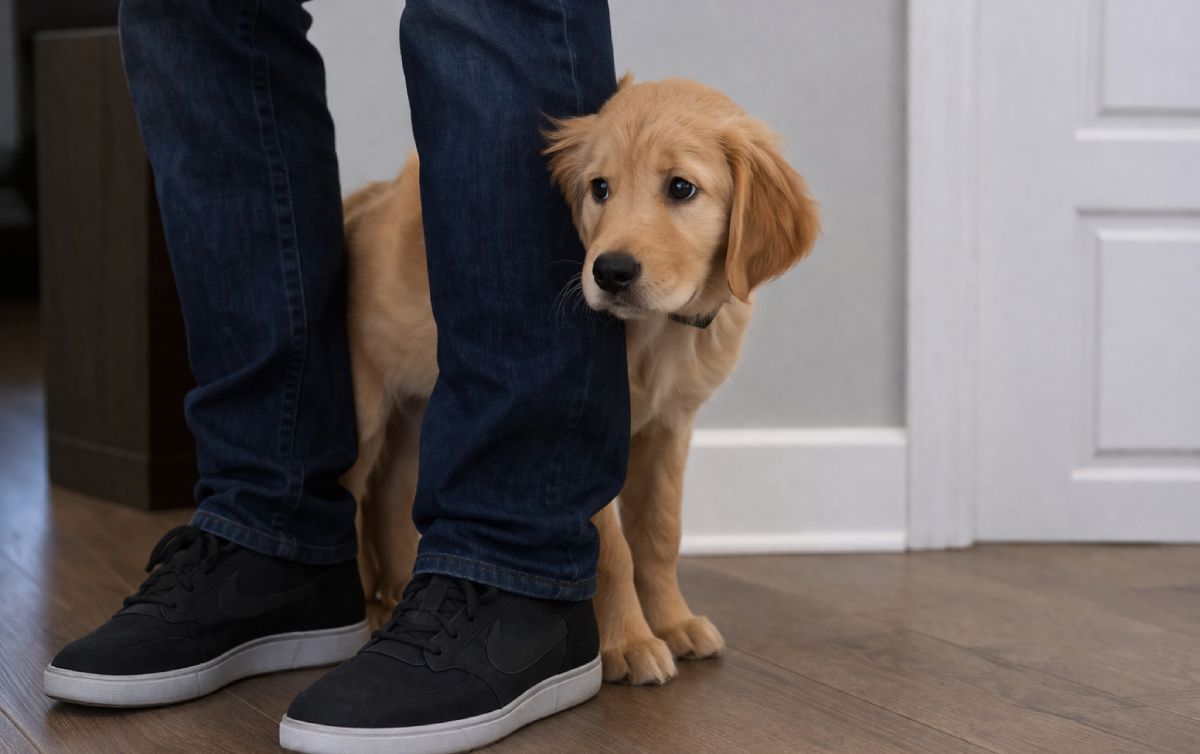
During this stage, a puppy may seem unexpectedly cautious about things that once did not bother them. They might hesitate at the stairs, pause at the sound of a blender, or seem more reserved around unfamiliar people, dogs, or environments. Even a normally curious puppy may need extra time to process what is happening around them.
This stage is a good time to keep experiences calm, positive, and manageable. Give your puppy space to explore at their own pace, and focus on helping them feel secure as they adjust to the world around them.
Fear Period Stage 2: 6 to 14 Months
The second fear stage often happens during adolescence, usually between 6 and 14 months of age. This phase can be especially confusing for pet parents because a dog may look more mature physically while still developing emotionally and behaviorally.
During this stage, dogs may seem more sensitive to sudden sounds, unfamiliar movement, changes in routine, or even situations they previously handled with ease. Some may startle more easily or take longer to settle after an unexpected experience. Reactions can feel more noticeable during this period, even when they are still a normal part of development.
For example, a loud noise that once caused only a quick pause may now lead to a stronger reaction, such as backing away, freezing, or seeking a place to hide. While this can feel discouraging, it does not necessarily mean your dog is regressing. With patience, consistency, and positive support, many dogs move through this stage successfully.
General Characteristics of Puppy Fear Periods
Recognizing the signs of a fear period in dogs can help pet parents respond with more patience and understanding. During these stages, puppies may show behaviors such as:
-
Hesitation around familiar objects such as toys, leashes, food bowls, or everyday surfaces
-
Startling more easily and taking longer to settle after an unexpected sound or experience
-
Pulling back from people or pets they were previously comfortable around
-
Stronger reactions to sounds, movement, or unfamiliar activity, such as vacuums, doorbells, or passing cars
-
Seeking distance after a stressful moment, such as hiding, freezing, or vocalizing more than usual
Keep in mind that fear periods can look different from one dog to another. Some puppies may show only one or two of these behaviors, while others may show several at once. The intensity, frequency, and duration can also vary based on age, temperament, and environment.
Common Dog Fear Period Behaviors
Understanding how behavior can shift during a fear period in dogs can help pet parents respond more calmly and consistently. When you know what to watch for, it becomes easier to recognize normal developmental changes and give your dog the patience and support they may need during unfamiliar or unsettling moments.
Sudden fear of familiar things or people
During a fear period, some dogs may suddenly seem unsure about people, objects, or places they previously ignored without hesitation. A puppy might avoid a family member they normally cuddle with or stop short near an everyday object that has never bothered them before. While this change can feel surprising, it is often a temporary part of development rather than a lasting setback.
Avoidance, cowering, hiding
Some puppies may lower their body, tuck their tail, or retreat under furniture after being startled. When this happens, a calm and quiet environment can help them settle more comfortably while they process what startled them.
Increased barking or growling
A puppy that is usually quiet may begin barking at unfamiliar sounds, nearby activity, or other dogs during a fear stage. In many cases, this reflects increased sensitivity or alertness rather than outright aggression.
Skittishness on walks or in new environments
During a fear stage, everyday outings may suddenly feel more challenging for your puppy. They might pause at the sight of a bicycle, hesitate near unfamiliar movement or noise, or refuse to continue past something like construction or heavy traffic. In these moments, it is helpful to give your puppy time to observe their surroundings and move forward at a pace that feels manageable for them.
How Long Do Fear Periods Last in Dogs?
Many pet parents wonder how long a fear period in dogs may last. In many cases, these phases are relatively short, often lasting around two to three weeks, although the exact timing can vary from one dog to another.
Several factors may influence how this stage shows up. Size and developmental pace can play a role, as some larger breeds tend to mature more gradually. Environment matters too, especially if a dog is adjusting to a busy household, frequent noise, or a lot of new stimulation. Temperament is also important, since some dogs are naturally more cautious or sensitive than others.
What often matters most during this time is consistency. Keeping routines predictable and continuing training with patience and positive reinforcement can help create a more supportive experience while your dog moves through this stage. Fear periods are a normal part of development, even if they do not look exactly the same in every dog.
Solutions for Dog Owners
Training
Use gentle, reward-based training during fear stages. Avoid forcing your dog to interact with something that makes them uneasy. Instead, reward calm curiosity and let them move at a pace that feels manageable. If your puppy notices a vacuum from across the room, for example, you can reward that moment of observation without asking them to get closer before they are ready.
Keep training sessions short, positive, and low pressure. Ending on a good note can help keep the experience constructive. If your puppy seems overstimulated, it is okay to pause and try again later.
Holistic Solutions
A calm environment can be especially helpful during fear stages. Soft lighting, quiet background noise, and a designated resting area may help create a more comfortable setting for your puppy. Gentle routines, such as slow brushing or quiet downtime after a walk, can also support a more settled transition after stimulating experiences.
Daily activity also matters, but it should feel predictable and manageable. Low-stress play with familiar toys in calm surroundings can give puppies a positive outlet while they continue adjusting to the world around them.
For pet parents looking to add daily calming support to their routine, Kradle offers options like Daily Calming Soft Chews and Bliss Bars. These products can be used as part of a consistent routine alongside positive reinforcement and thoughtful training during developmental fear stages. Remember, for puppies, it is recommended to begin with non-CBD options as part of a consistent routine that fits their stage of development.
What to Do (and What Not to Do) During a Fear Period
-
What to Do
During a fear period, try to keep your dog’s daily routine as consistent as possible. Predictability can be especially helpful when a puppy is feeling more sensitive to new experiences. When your dog notices something unfamiliar, give them time to observe it from a distance rather than rushing them forward. Quiet encouragement, praise, or a treat can help create a more positive association when they remain calm and curious.
Patience also matters. A gentle, steady response can go a long way during these stages, especially when your dog is still learning how to process the world around them. The goal is not to push them through the moment, but to help them move through it at a pace they can handle.
-
What Not to Do
Do not force your dog to approach something that makes them uneasy. Pressure can make the moment feel more overwhelming and may create a stronger negative association. It is also important to avoid scolding, correcting, or using physical punishment when your dog reacts fearfully. These responses can add stress rather than helping your dog feel more comfortable.
Try not to panic or overreact if your dog seems suddenly unsure. Staying calm can help you respond more thoughtfully and keep the situation from becoming more intense. And while fear periods are a normal part of development, noticeable changes in behavior should still be taken seriously so you can adjust your approach and give your dog the support they need.
Final Thoughts
Fear stages in dogs can feel unexpected, but they are a normal part of development. By paying attention to changes in behavior, staying patient, and offering calm, consistent guidance, you can help your puppy navigate these phases in a more positive and manageable way.
It is also important to remember that every dog is different. Some move through these stages fairly quickly, while others may need more time, reassurance, and routine. A thoughtful combination of training, a supportive environment, and consistent daily habits can go a long way during this stage. For pet parents looking to add calming support to their routine, gentle options from Kradle may also fit alongside positive reinforcement and everyday structure.
Frequently Asked Questions
What are puppy fear periods?
Puppy fear periods are temporary developmental stages when a young dog may seem more sensitive to unfamiliar people, sounds, objects, or experiences. These phases are generally considered a normal part of growth and development as puppies continue learning about the world around them.
What are the signs of fear periods in dogs?
Common signs of a fear period in dogs may include hiding, hesitation, skittish behavior, barking at familiar things, or reacting more strongly to sudden noise, movement, or unfamiliar people. The exact behaviors can vary from one dog to another.
Are fear stages in dogs normal?
Yes, fear stages in dogs are generally considered a normal part of development. While they can feel surprising, they are often temporary phases rather than an immediate cause for concern.
Can I prevent fear periods in my puppy?
Fear periods are typically viewed as a normal part of puppy development, so the focus is usually not on preventing them entirely. Instead, it is more helpful to respond with patience, consistency, and positive experiences that support your puppy as they move through each stage.
How long do fear periods last in dogs?
In many cases, each phase lasts around two to three weeks, although timing can vary based on the individual dog, developmental pace, environment, and temperament.