

Is CBD Safe for Cats? Benefits, Risks & What Vets Say
More cat owners are exploring natural ways to support everyday wellness, and CBD is often part of that conversation. It is commonly used to support a normal calm, relaxed disposition. Still, many pet parents ask, is CBD safe for cats? This guide takes a clear, practical look at what CBD is and what to consider before adding it to your cat’s routine. You will also learn how CBD may support a calm, relaxed demeanor as part of a consistent wellness approach. Clear, veterinarian-informed guidance matters.
Is CBD Safe for Cats?
CBD, short for cannabidiol, is a non-intoxicating compound derived from hemp. Cats have an endocannabinoid system that helps support normal balance across many everyday processes. Many pet parents choose CBD as part of a daily wellness routine to help maintain a normal, calm disposition, especially during occasional situational stress.
A key consideration is THC, the intoxicating compound found in cannabis. Cats can be sensitive to THC, which is why it’s important to choose pet-formulated products and verify THC results through third-party testing.
Choose products that are:
1. Pet-formulated and clearly labeled for cats
2. Supported by third-party lab testing, with a Certificate of Analysis (COA) available for each batch
3. Verified for THC results on the COA (look for non-detectable or clearly reported THC levels)
Research on how CBD is used in cats is still emerging, and guidance may continue to evolve as more information becomes available. Some pet parents include CBD in a wellness routine to help support normal emotional balance and everyday composure, but responses can vary from cat to cat.
If you’re asking can cats have CBD, your veterinarian is the best resource to help you decide whether it fits your cat’s routine, especially if your cat takes other supplements or medications, or if you have any health-related questions.
Responses to CBD can vary from cat to cat based on age, size, individual sensitivity, and overall wellness needs. One cat may settle into a routine quickly, while another may do better with a different format or a slower pace. Follow the product’s label directions, start with the lowest suggested serving, and adjust gradually only if needed while observing your cat’s normal patterns.
Many pet parents also ask, is CBD oil safe for cats. Your veterinarian can help you decide whether a pet-formulated option with third-party testing and clearly reported THC results is appropriate, and how to use it thoughtfully as part of your cat’s routine.
Benefits of CBD for Cats
Many pet parents explore CBD as part of a daily wellness routine. When used consistently and thoughtfully, it can be one option to support everyday balance. Because responses can vary by cat, it’s best to introduce any new supplement gradually and observe your cat’s normal patterns over time.
Routine Change Support: Loud noises, travel, visitors, or changes at home can feel disruptive for some cats. CBD may help support a settled demeanor and normal emotional balance during occasional situational stress.
Senior Routine Support: As cats age, their daily routines and preferences can change. Some pet parents include CBD as part of an overall wellness approach designed to support contentment and quality of life, alongside veterinarian guidance, appropriate activity, and nutrition.
Everyday Balance: Some pet parents use CBD to support overall well-being, including a steady daily routine and normal emotional balance. Keeping expectations realistic and tracking your cat’s response can help you decide what fits best.
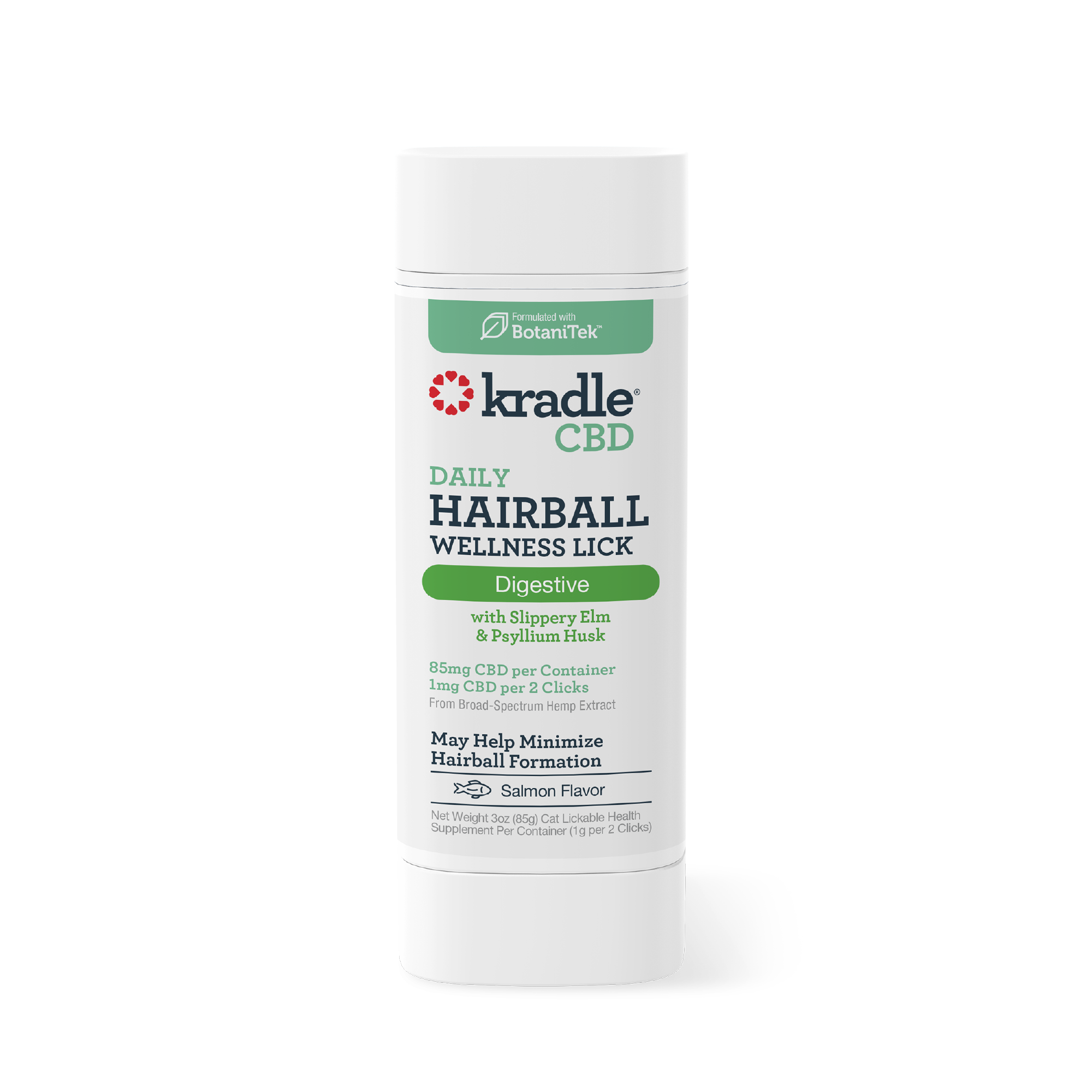
Cat hairball products can be a simple addition to a daily wellness routine. With consistent use, they can help support normal digestive function and routine wellness
Potential Risks and Side Effects of CBD for Cats
CBD is often considered well tolerated when used in a thoughtful routine and according to label directions. As with any supplement, some cats may show mild, temporary changes when first starting or when servings are adjusted. Common examples can include the following:
Increased Sleepiness: Some cats may seem a bit sleepier than usual during the first few days. This may lessen as your cat adjusts to the routine.
Thirst or Dry Mouth: You may notice your cat drinking more water or licking their lips more often. This is typically temporary.
Digestive Sensitivity: Some carrier oils, especially higher-fat oils, may not agree with every cat. If a new product is introduced too quickly, you may notice temporary stool changes. Starting with the lowest suggested serving and increasing gradually can help you assess tolerance.
Temporary Drooling: Some cats may drool or shake their head right after an oil serving. This is often related to taste or texture rather than the hemp extract itself.
To help limit these issues, start with the lowest label-directed serving and increase gradually only if needed. Pay attention to your cat’s normal routines, including appetite, activity level, and litter box habits, and let those cues guide how you proceed. Keeping a few simple notes can make patterns easier to spot.
Avoid human CBD products, which may include ingredients that aren’t appropriate for pets. In particular, never use products containing xylitol, a sweetener that is highly toxic to animals. Instead, choose pet-formulated options with clear serving guidance and third-party testing, such as CBD oil for cats.
Choosing the Right CBD Product for Cats
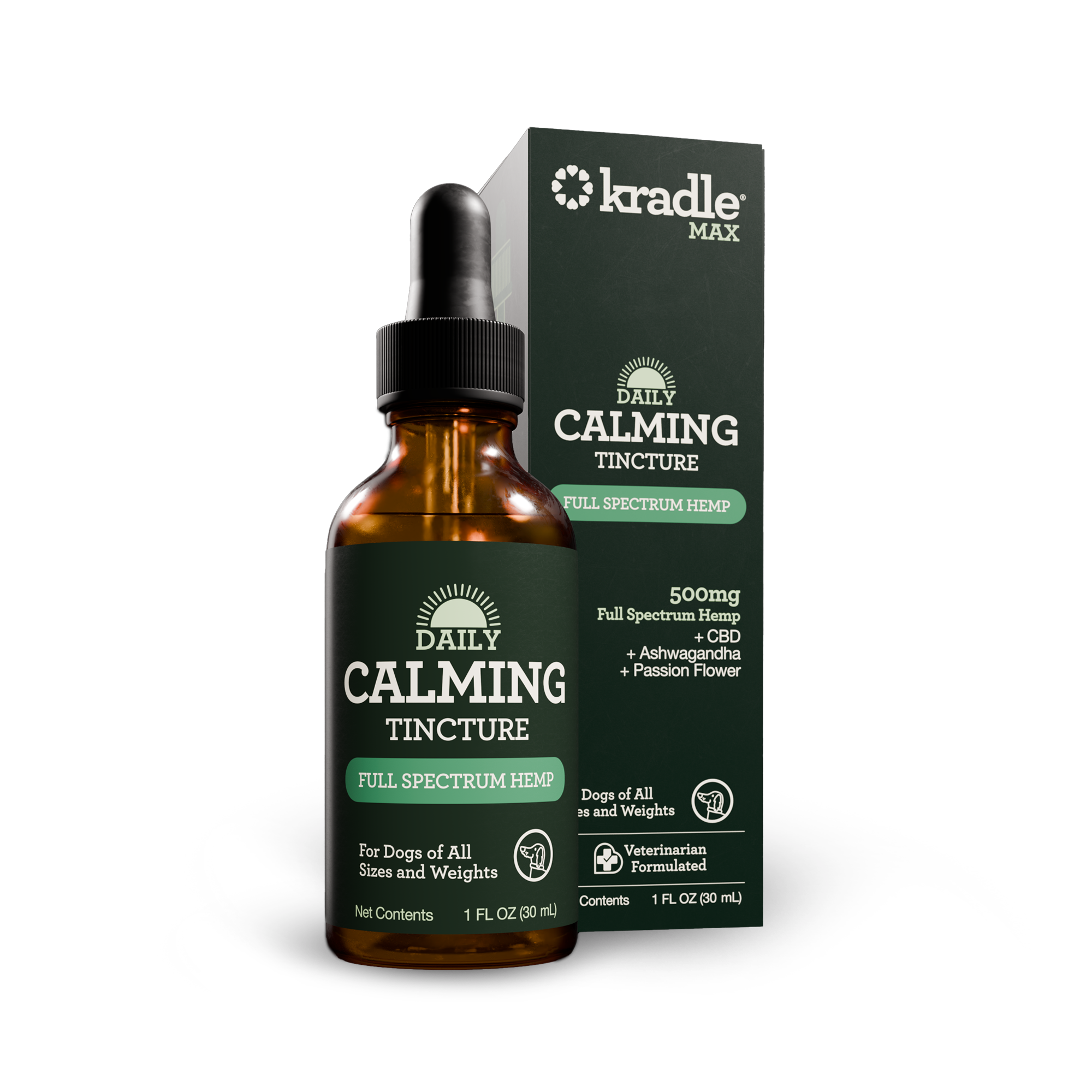
Oils and tinctures are a common choice for cats because they allow more precise serving control. Small, measured adjustments can be especially helpful for smaller cats and for pet parents who prefer to start low and increase gradually only if needed.
Why: Oils make it easier to measure servings consistently and adjust in small increments while you’re establishing a routine.
How to Choose:
- Confirm the label clearly states the amount of CBD (for example, mg of CBD per mL)
- Choose a pet-formulated, non-intoxicating product with third-party testing and clearly reported THC results
- Avoid formulas with added essential oils (such as peppermint or citrus), which are generally not a good fit for cats
Why Choose CBD Chews and Soft Chews?
Chewable formats can be a good option for cats that resist droppers or don’t enjoy oils. Since they’re easy to serve, they can help keep a daily routine simple and consistent.
Why: They can make administration easier and support a smoother routine for cats that dislike oils.
How to Choose:
- Look for the NASC Quality Seal
- Prefer brands that provide third-party testing and make batch results easy to access
- Choose cat-appropriate formulas with clear labeling and simple ingredients
How to Give:
- Follow the package’s weight-range guidance and serving directions
- Keep timing consistent so it’s easier to observe your cat’s normal patterns over time
CBD for pets is not a replacement for professional care. Yet it may fit alongside your cat’s regimen with veterinary guidance.
FAQs
How much CBD should I give my cat?
The right serving depends on your cat’s weight and the product’s concentration. Start with the lowest suggested serving on the label, then observe your cat’s normal patterns (appetite, activity, litter box habits). Adjust gradually only if needed and only within the product directions. If your cat takes other supplements or medications, or you have health-related questions, check with your veterinarian first.
Can CBD help my cat during stressful events?
CBD may help support normal emotional balance and a more settled demeanor during occasional situational stress for some cats. Responses can vary, so introduce it gradually and track your cat’s routine over time. Choose a pet-formulated, non-intoxicating product with third-party testing, and ask your veterinarian if CBD fits your cat’s routine.
Can I give my cat human CBD products?
It’s best to avoid human CBD products. They may contain ingredients that aren’t appropriate for cats, and they typically don’t provide feline-specific serving guidance. Choose a pet-formulated product instead and review ingredients and serving directions with your veterinarian if you’re unsure.
Can you give cats CBD?
CBD may be an option for some cats when it’s formulated for pets and used according to label directions. Start low, introduce it gradually, and observe how your cat responds. Your veterinarian can help you decide whether it makes sense for your cat’s routine.
Is CBD good for cats?
It depends on your cat and the product you choose. Some pet parents include CBD as part of a daily wellness routine to support everyday balance. Your veterinarian can help you evaluate whether it’s an appropriate fit based on your cat’s individual needs.
Is CBD oil safe for cats?
CBD oil can be an option when it’s pet-formulated, non-intoxicating, and clearly labeled. Look for simple ingredients, clear CBD content (mg per mL), and third-party testing with THC results shown on the COA. If your cat is sensitive or takes other supplements or medications, check with your veterinarian first.