
What Can You Give Dogs for Seasonal Allergies? Natural Support for Skin & Immunity
Allergy season can feel relentless for dogs, especially when you notice more paw licking, fussy ears, or changes in rest and routine. Naturally, that is when many pet parents start wondering what can you give dogs for allergies while looking for ways to support everyday comfort.
Seasonal and environmental changes can put extra stress on the skin and coat, and that is often where dogs show it first. A steady routine focused on supporting skin health, maintaining normal immune system function, and promoting overall wellness can be a helpful place to start.
The next time you think, “what can I give my dog for allergies?”, start with one consistent change you can repeat and then watch for patterns in your dog’s routine, skin condition, and overall comfort over time.
Omega-3 Fatty Acids: Support for Skin and Coat Health
Omega-3 fatty acids are often one of the first things pet parents consider when building a skin and coat support routine. They can help maintain normal moisture content of skin and support overall coat condition, which can be especially helpful during times of seasonal and environmental change.
Omega-3s are commonly sourced from fish oil or algae. They are often used as part of a consistent routine to support skin health and maintain a healthy coat. Over time, consistency can make it easier to notice patterns in your dog’s skin, coat, and daily routine.
Practical ways to keep omega-3 use simple:
- Choose clear labels with serving guidance
- Give it with food to make the routine easier to maintain
- Track coat condition, paw attention, and sleep patterns over time
Quercetin & Bromelain: Supporting Seasonal Wellness
Quercetin is a plant compound that is often discussed in conversations around seasonal wellness. Many pet parents look into it during times of higher pollen and environmental exposure. In seasonal support formulas, quercetin is often used to help maintain normal histamine levels and support overall wellness.
Bromelain is an enzyme found in pineapple. It is often paired with quercetin in seasonal wellness formulas. This combination is commonly included in routines designed to support the body during times of environmental change, while pet parents continue to watch for patterns in skin, coat, and daily routine.
Many pet parents exploring home remedies for dog allergies come across this duo. When considering any supplement, it is best to choose products with clear labeling, start with the lowest suggested amount, and monitor your dog’s normal baseline over several days. Slow, consistent changes can make it easier to notice patterns over time.
Probiotics & Colostrum
Probiotics often come up in conversations about daily wellness, especially for dogs with seasonal sensitivities or sensitive skin. They are commonly used to help maintain proper gut flora, support healthy digestion, and promote intestinal well-being as part of a consistent routine.
A steady digestive routine can also play a role in supporting normal immune system function. Over time, consistency can make it easier to notice patterns in your dog’s skin, coat, and everyday routine.
Colostrum is included in some wellness routines as an added source of nutritional support. It is often used in products focused on everyday wellness and immune system support. When building a routine, the goal is steady daily support and careful observation over time.
Apple Cider Vinegar & Turmeric
Apple cider vinegar and turmeric often get attention because they feel familiar to many pet parents. That familiarity can make it easier to build a consistent daily routine, especially during times of seasonal and environmental change.
Apple cider vinegar is sometimes used in small amounts mixed into food as part of general wellness habits, while turmeric is often introduced gradually as part of a daily routine focused on overall wellness and steady support.
As with any routine, portion size and tolerance matter. Start with one change at a time so it is easier to observe your dog’s normal baseline over several days. A slow, consistent approach can make patterns easier to notice over time.
How To Naturally Support A Dog During Allergy Season
 A natural plan works best when it fits into a routine you can maintain, not a dramatic overhaul that is hard to keep up with. Starting small and building gradually can make it easier to support your dog consistently over time.
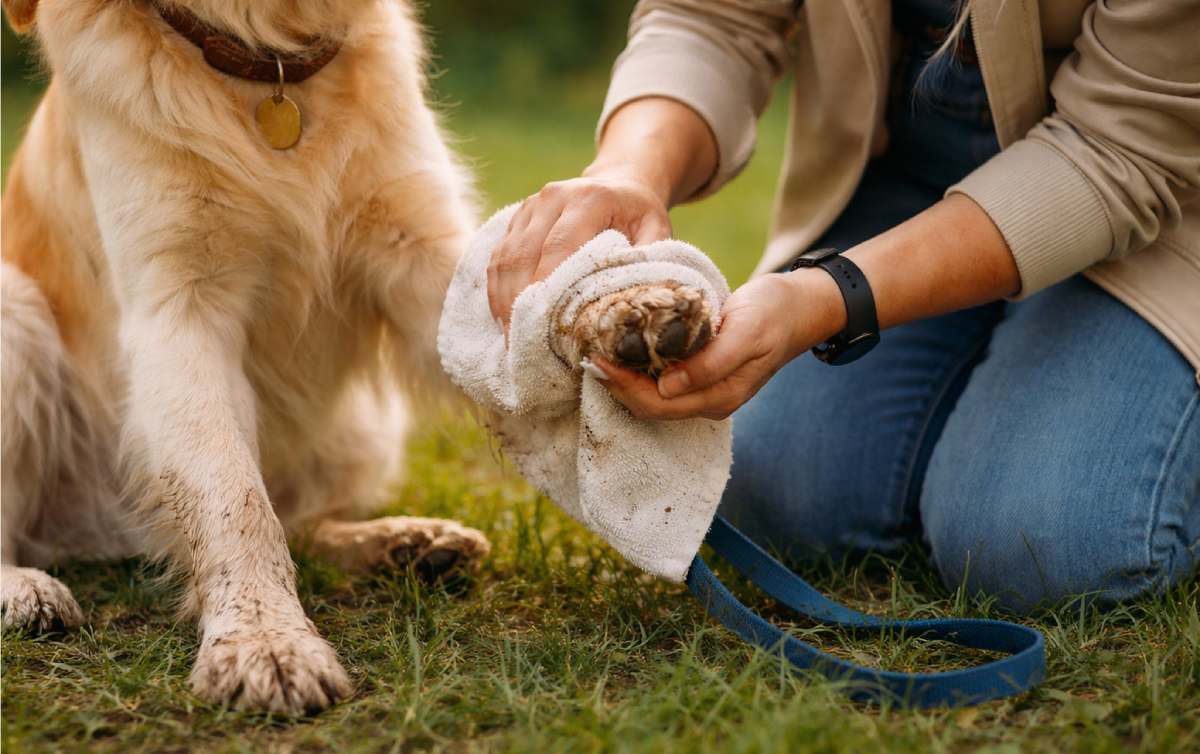
Begin with one internal support option, then pair it with one simple daily habit, such as wiping paws after walks. Add the next step only after you have had time to observe patterns in your dog’s skin, coat, and everyday routine over several days. Your observations can help guide the next adjustment.
A simple progression that stays realistic:
- Support skin and coat health with omega-3 focused nutrition
- Add gut support with probiotics as part of a consistent daily routine
- Consider quercetin plus bromelain during times of seasonal and environmental change
Topical and Daily Wellness Support During Allergy Season
Topical care can be one part of a daily skin and coat routine, especially after time outdoors and during seasons when environmental exposure is higher. Many pet parents pair topical care with other daily wellness habits to create a more consistent routine over time.
If you are wondering what options to consider during allergy season, it can help to think in layers. Bathing habits, wipe routines, and skin and coat care products can all play a role in an everyday routine focused on cleanliness, skin health, and overall wellness. Some pet parents also explore hemp-based wellness products as part of a broader daily routine during times of seasonal and environmental change.
Options commonly used in routine skin and coat care:
- Aloe vera applied carefully to dry areas
- Colloidal oatmeal baths or oatmeal soaks
- Cool rinses with a gentle shampoo
- Wipes for paws, belly, and other high-contact areas
- Skin and coat shampoos used with veterinarian guidance
Some pet parents also explore hemp-based wellness products, including CBD, as part of a broader daily routine focused on seasonal wellness and overall support.
Keep your routine consistent from day to day and watch for patterns in licking, rubbing, rest, and general routine over time.
What to Do for Seasonal Allergies in Dogs
Seasonal routines work best when they are simple enough to repeat. A consistent routine can make it easier to support skin health, maintain healthy skin, and manage daily care during times of seasonal and environmental change.
A supportive seasonal checklist that many households can manage:
- Wipe paws, belly and legs after outdoor time
- Wash bedding weekly, then vacuum more often during peak weeks
- Keep indoor air cleaner with HEPA filtration or controlled AC use
- Groom regularly to remove pollen and dander from the coat
- Bathe gently to rinse allergens off skin and coat with veterinarian guidance
When building a seasonal routine, it can help to think in layers. Daily habits, grooming, bathing, and skin and coat support can all work together as part of a consistent care plan.
The goal is to keep the routine manageable and easy to maintain from week to week. Over time, consistency can make it easier to notice patterns in your dog’s skin, coat, and overall routine.
When skin issues continue or seem more noticeable, closer attention is a good idea. A veterinarian visit may help provide a clearer plan, especially during allergy season.
FAQs
Is Zyrtec or Benadryl better for dogs?
The better choice depends on your dog’s size, health history, and individual needs. Your veterinarian is the best source for guidance on which option is appropriate for your dog. If you call, have the exact product name and your dog’s weight ready.
How can I support my dog’s skin during allergy season at home?
An at-home routine can focus on supporting skin health and maintaining a consistent care routine after outdoor time. Many pet parents start with home remedies for dog allergies such as wipe-downs, gentle bathing, and oatmeal soaks as part of everyday skin and coat care.
What can I give my dog for allergies without going to the vet?
Start with exposure reduction, routine grooming, and gentle bathing based on your dog’s tolerance. Some pet parents also explore seasonal wellness supplements for dogs as part of an everyday routine focused on skin health, healthy skin, and immune system support
What breeds cause the most allergies?
All breeds can experience seasonal sensitivities, though some dogs may seem more prone to skin and coat issues during times of environmental change. It is often most helpful to focus on your own dog’s patterns, routine, and environment