


Why Do Dogs Pant In The Car? Causes, Signs & Solutions
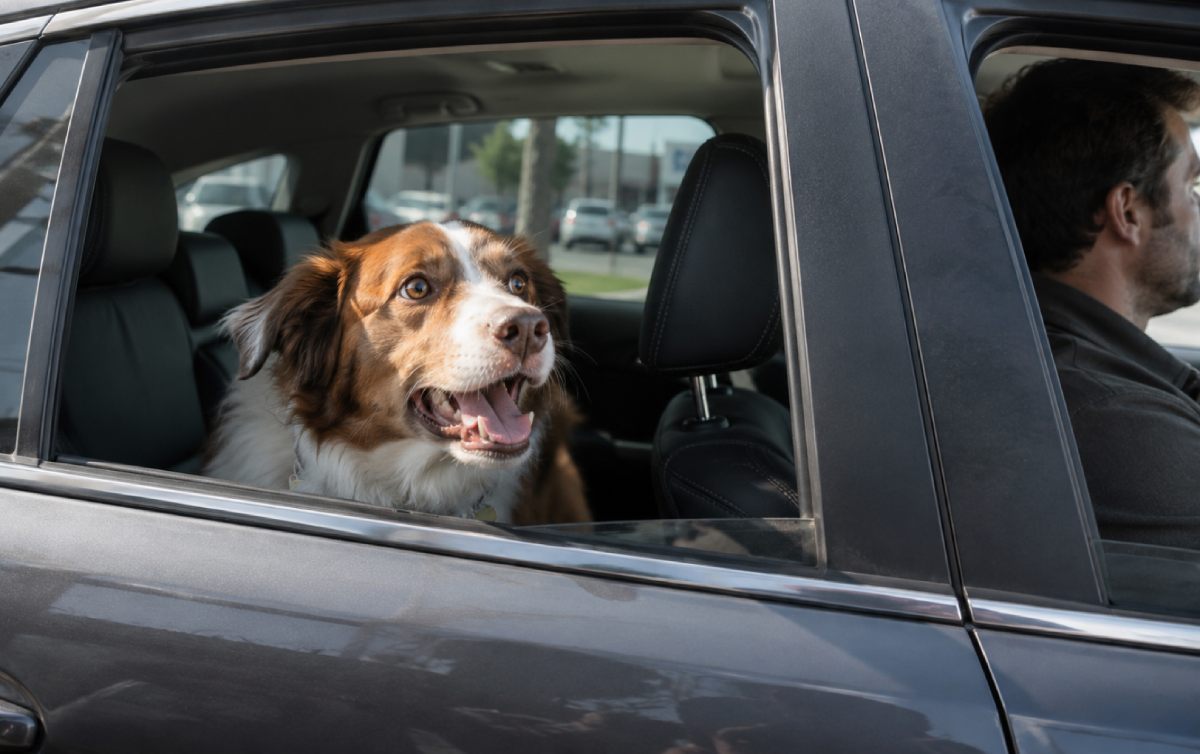
Dogs may pant in the car for several reasons, including normal stress, motion sickness, warm temperatures, or excitement. In some cases, more than one factor may be contributing at the same time.
Because stress, nausea, and overheating can initially look similar, paying attention to when the panting begins and which other behaviors occur can help you better understand what your dog may be experiencing. From there, you can take steps to support a calmer, safer, and more comfortable car ride.
-
Dogs may pant in the car because of stress, motion sickness, heat, excitement, or a combination of factors.
-
Heavy panting accompanied by drooling, lip licking, restlessness, or vomiting may indicate motion sickness.
-
Panting that begins before the car starts moving may be associated with anticipation or car-related stress.
-
Red gums, glazed eyes, weakness, confusion, or excessive drooling may indicate overheating and require prompt veterinary attention.
-
Gradual car-ride practice, behavioral support, access to water, proper ventilation, cooling measures, and close supervision may help make travel more comfortable.
Heat Regulation vs. Stress
Why do dogs pant in the car? Panting is a normal way for dogs to regulate their body temperature, especially when the car feels warm or stuffy. However, temperature is not always the only factor.
Dogs may also pant when they are excited, uncertain, or responding to normal situational stress. A dog might associate the car with an upcoming adventure, remember a previous uncomfortable ride, or simply feel overwhelmed by the unfamiliar movement, sounds, and surroundings.
Because panting can have several possible causes, it is helpful to consider the full situation. Pay attention to when the panting begins, the temperature inside the vehicle, and any other behaviors your dog displays. These details can offer helpful clues about whether your dog may need a cooler environment, a slower introduction to car travel, or additional support for maintaining a calm and relaxed disposition.
Triggers Unique to Cars
A moving vehicle can introduce several unfamiliar sensations that may contribute to normal situational stress in some dogs.
Confined spaces: Dogs are naturally curious and often prefer having room to move, sniff, and explore. A limited space may feel uncomfortable, especially if they cannot easily reposition themselves or settle into a secure spot.
Engine and road noise: The hum of the engine, vibrations beneath their paws, and sounds from surrounding traffic may feel more intense to dogs with greater noise sensitivity.
Unfamiliar movement: Cars frequently start, stop, turn, and change speed. Because dogs cannot anticipate or brace for these movements in the same way people can, the shifting motion may make it harder for them to feel steady and relaxed.
Unfamiliar scents: Upholstery, food, other passengers, pets, and outdoor odors can create a strong mix of scents inside the vehicle. For dogs that rely heavily on smell to understand their surroundings, this unfamiliar environment may feel overwhelming.
Together, these factors may help explain why dog panting during car ride situations can appear more noticeable than panting at home. The behavior may be one way a dog responds to the movement, sounds, scents, and other changes associated with travel.
Common Reasons Your Dog Pants in the Car
Dogs may pant in the car for several reasons, and the behavior does not always mean something is wrong. Looking at the temperature, timing, and your dog’s overall body language can help you better understand what may be contributing to their discomfort.
Heat and temperature: Cars can become warm quickly, especially in direct sunlight or when airflow is limited. Dogs with thick coats and short-nosed breeds, such as Bulldogs and Pugs, may be especially sensitive to warmer conditions. Panting helps dogs regulate their body temperature, but continued or intense panting may be a sign that the car is too warm.
Motion sickness: The movement of the car may make some dogs feel unsettled. Panting accompanied by drooling, whining, lip licking, restlessness, or vomiting may suggest that motion sickness is contributing to the behavior.
Travel-related stress: Some dogs may associate car rides with unfamiliar places or past experiences, such as veterinary visits. For these dogs, car travel may trigger normal situational stress, which can appear as pacing, whining, restlessness, or dog stress panting.
Excitement or anticipation: Panting is not always related to discomfort. A wagging tail, relaxed posture, and bright expression may suggest that your dog is excited about where the ride is taking them.
Limited airflow: A warm, stuffy car can make it harder for a dog to stay comfortable. Maintaining proper ventilation, comfortable temperatures, and access to water during appropriate breaks can help support a safer and more relaxed ride.
Pay attention to the full situation rather than panting alone. When you consider your dog’s body language, the temperature inside the car, and when the behavior begins, you can make thoughtful adjustments that help support calm and comfort during travel.
Is Panting in the Car a Sign of a Bigger Problem?
Panting in the car is often linked to heat, excitement, or normal situational stress. However, unusually heavy panting paired with excessive drooling, vomiting, bright red gums, or a glazed appearance may signal overheating.
If this happens, stop in a safe place, help your dog cool down, and contact your veterinarian immediately.
Panting that is new, persistent, or also happens outside the car may also be worth discussing with your veterinarian.
How to Calm a Panting Dog in the Car

Wondering how to calm a panting dog in the car? A few simple adjustments may help support a calmer, more comfortable ride.
Create a familiar environment: Bring a favorite blanket, toy, or item that smells like home. Soft music may also help mask unfamiliar road and engine sounds.
Add calming support: A comfortable travel wrap or dog calming supplement may help support normal relaxation during travel.
Keep the car cool: Use window shades, good airflow, or a cooling mat to help maintain a comfortable temperature.
Take breaks: On longer trips, stop regularly so your dog can stretch, have water, and settle before continuing.
Create a secure space: A properly secured, padded crate or car restraint may help some dogs feel more stable while the vehicle is moving.
Start with short rides: Begin by spending time in the parked car, then work up to brief drives. Gradual exposure can help your dog become more familiar with the experience.
If panting is sudden, severe, or accompanied by vomiting or unusual behavior, contact your veterinarian.
Dog Car Safety Tips to Prevent Overheating

When asking, “Why is my dog panting in the car every time we drive?” temperature is one of the first things to consider.
Never leave your dog unattended: Cars can heat up quickly, even on mild days. Bring your dog with you whenever you leave the vehicle.
Maintain airflow: Use air conditioning and proper ventilation to help keep the car comfortable.
Travel during cooler hours: Early morning or evening trips may be more comfortable than driving during the hottest part of the day.
Bring fresh water: Offer water before, during, and after longer trips to help your dog stay hydrated.
If you're planning air travel, don't miss this piece on how to keep a dog calm on plane.
FAQs About Dog Panting in the Car
Is it normal for dogs to pant in the car?
Yes, some panting can be normal, especially when a dog is warm, excited, or adjusting to the ride. Heavy or nonstop panting may be a sign that your dog needs a break or a more comfortable environment.
How can I tell if my dog is anxious or just hot?
Consider the full situation. Trembling, restlessness, wide eyes, or refusing treats may point to situational stress, while seeking cool surfaces or continued panting in a warm car may suggest they are too hot.
What can I give my dog for car anxiety?
Calming chews, familiar toys, travel wraps, and other calming products may help support a relaxed travel routine. Speak with your veterinarian before using medication.
Should I be worried if my dog pants excessively during a short trip?
Pay attention to the temperature and your dog’s body language. Pull over safely and check on them if the panting seems unusually intense or does not settle.
Can car rides cause heatstroke in dogs?
Yes. Cars can warm up quickly, so always maintain comfortable airflow, bring water, and never leave your dog unattended.
Will my dog eventually get used to the car?
Many dogs become more comfortable with gradual practice and positive experiences. Start with short, calm rides and slowly build from there.
Why does my dog shake in the car?
Dogs may shake because they feel cold, excited, uncertain, overstimulated, or unsettled by the car’s movement.
Why does my dog pant so much in the car?
Heavy panting may be related to heat, excitement, motion sickness, normal situational stress, or a combination of factors.
Why does my dog pant in the car when it’s not hot?
When temperature is not the cause, panting may be connected to excitement, unfamiliar movement, motion sickness, or travel-related stress.