

Why Is My Dog Shaking? Causes, Symptoms & When to Worry
One minute you’re stroking your dog, and everything feels normal. Then you spot a small shake. No thunder. No big excitement. That moment can make your stomach drop. Sometimes it’s nothing: cold, nerves, or dreaming. Other times it’s your dog asking for help. Let’s go through the common causes and the red flags so you know when to watch and call.
Why Is My Dog Shaking?
Ever seen your dog tremble for no clear reason and felt that sudden worry? You’re not alone. Many pet parents ask, “why is my dog shaking so much?” Sometimes it’s harmless. Cold air, leftover play energy, or a strange sound outside can trigger a quick shiver. Dogs notice things we miss. Still, shaking can also be their quiet way of saying something feels off. Watching the pattern helps you know when to relax and when to act.
7 Common Reasons Your Dog Is Shaking
Let’s start with the usual suspects: some are harmless, others might need your attention.

Cold Weather – Temperature-related trembling
Smaller dogs and short-haired breeds get cold faster. After a chilly walk, shaking can start quickly. Post-bath trembles are also common. Dry your pup thoroughly, then offer a warm towel or blanket. Your hoodie can add comforting heat too, indoors.
Excitement – Happy or overstimulated reactions
Some dogs literally shake with excitement. Say “walk” or grab the leash, and boom! The tail’s wagging, the body’s trembling. It’s not a problem unless it turns into frantic energy. Otherwise, it’s just joy.
Pain or Illness – Underlying medical conditions
Sometimes the shake comes with a vibe shift. Your dog plays less, eats less, or hides. You may think, “why is my dog shaky, even when they’re not showing obvious pain?” Listen.
Old Age – Muscle weakness and neurological issues
Older dogs can tremble in the legs when standing up. Muscles weaken, joints stiffen, and nerves slow down. It’s common, but mention it. A quick check can rule out issues early too.
Stress and Anxiousness – Fear-based shaking
Thunder, fireworks, car rides, or the vet can trigger full-body shakes. It isn’t stubbornness. It’s fear. Give a quiet corner, steady routine, and gentle praise. Some use CBD dog supplements for support.
Nausea & Digestive Issues – Motion sickness or upset stomach
Motion sickness can look like drooling, lip-licking, and shaking on rides. At home, an upset stomach may do the same. If vomiting starts, or food stays untouched, call your vet right away.
Muscle Fatigue & Weakness – Overexertion after intense activity
After a long hike or rough play, tired muscles may tremble. Offer water and rest. Shaking should fade as they recover. If it lingers past a few hours, note it and ask.
Medical Reasons Behind Dog Shaking
Let’s look at the flip side: those less common causes of shaking that can signal something more serious going on beneath the surface.
Fever or infections
If your dog feels warmer than usual, shaking can happen. Low energy, less appetite, or hiding can show up too. Their body may tremble while dealing with fever or discomfort. A vet can confirm fever and check for infection.
Poisoning or toxin exposure
Sudden shaking after getting into something is an emergency. Grapes, chocolate, cleaners, rodent bait, and some essential oils can be toxic. Call your vet or an emergency clinic right away. Share what they may have eaten and when.
Hypoglycemia (low blood sugar)
Tiny dogs and young puppies can drop blood sugar fast. Shaking, weakness, or glassy eyes may appear. Offer a small snack, then contact your vet, especially if it happens again.
Arthritis and joint pain
Older dogs may tremble after standing up or before stairs. Stiff joints can make movement painful. Even gentle walks can look different. Note limping or slower walks. Bring it up at your next visit for safe support.
Addison’s Disease – Hormonal imbalances affecting muscles
Addison’s isn’t common, but it’s one of those “mystery” conditions that can cause fatigue, vomiting, and tremors. Thankfully, it’s manageable once diagnosed. A routine blood test can usually spot it.
Distemper Virus – Serious viral infection causing tremors
This one's rare in vaccinated dogs but not impossible. If your pup is shaking and has a cough, discharge from the eyes or nose, or looks really unwell, don’t wait. Distemper can move fast and needs urgent care.
Telltale Signs Your Dog Is Shaking Due to Stress
Sometimes, it’s not about the weather or a tummy ache. Sometimes, your dog is just overwhelmed. And because they can’t talk it out, their body does the talking. You might ask, “why is my dog shaking during fireworks but not at the park?” That’s the power of stress.
So, how do you know if the shaking is stress-driven? You’ll usually notice a pattern.
Shaking begins and ends with the stressful situation
Does your dog only start trembling when thunder rolls in, or fireworks pop outside? And then go back to normal as soon as the noise stops? That’s a big clue. It’s like their nerves flip a switch.
Additional signs of stress appear
Shaking rarely shows up alone. You might also see your dog panting when it’s not hot, pacing the room, hiding under furniture, or licking their lips a lot.
Your dog assumes a distinct body posture
You know that look. Tail tucked tight, ears flat against their head, maybe trying to curl up in a corner or under your bed. Some dogs avoid eye contact altogether when they’re overwhelmed. Others won’t leave your side. Either way, their posture gives them away.
In those moments, your calm energy helps more than you realize. Don’t rush in with too much noise or pressure. Just be there. Let them come to you if they want. Give them a safe space to ride it out.
If this kind of shaking happens regularly, adding consistency to their routine and exploring calming aids can make a real difference.
When to Seek Veterinary Help for Dog Shaking
There’s “I’m stressed” shaking, and then there’s “this isn’t right” shaking. If you’re ever unsure, don’t ignore your gut. Here’s when it’s time to get your vet involved:
Sudden, intense, or prolonged shaking
If the trembling comes out of nowhere and doesn’t ease up quickly, it’s worth checking out.
Accompanied by vomiting, weakness, or seizures
This combination points to something more serious, and you shouldn’t wait.
Shaking linked to recent toxin exposure
If there’s even a chance your dog got into chocolate, grapes, medicine, or cleaning supplies, treat it like an emergency.
Persistent tremors in senior dogs
Yes, older dogs shake more. But if it gets worse or starts affecting how they move or rest, it’s time to dig deeper.
How To Reduce Shaking During Stressful Situations
If stress is behind your dog’s shaking, you can work with that. You might also see pacing, clinginess, or sudden silence. If you’re asking “why is my dog shaking and not eating?”, you’re not overthinking it. Stress can shut appetite down. The goal is to lower the “threat level” your dog feels. Stay consistent. Speak softly. Reward calm moments. Even a win matters. Over time, your dog learns, “I can handle this,” and the shaking eases sooner.
Provide a safe space your dog can escape to
Create a retreat that stays available. Choose a quiet corner, a covered crate, or a room away from windows. Add a blanket, a worn T-shirt that smells like you, and one favourite toy. Keep lighting soft. Use white noise to blur bangs and pops. During fireworks or storms, guide your dog there gently. Let them choose. This can help if you’re wondering “why is my dog shaking when he breathes in?”. Fear can change breathing, and calm surroundings help it settle.
Give your dog a massage
Dogs hold stress in their bodies. Start behind the ears. Move slowly down the neck and shoulders. Use steady pressure, not quick pats. Watch for a lean-in, a long blink, or a sigh. If they move away, pause. Try again later.
Opt for a belly rub or back scratch over a hug
We hug to comfort. Many dogs experience hugs as restraint. Sit beside them instead. Offer a chest scratch or gentle back rub. Let them approach you. Let them step away too. Choice builds safety.
Try Kradle calming solutions
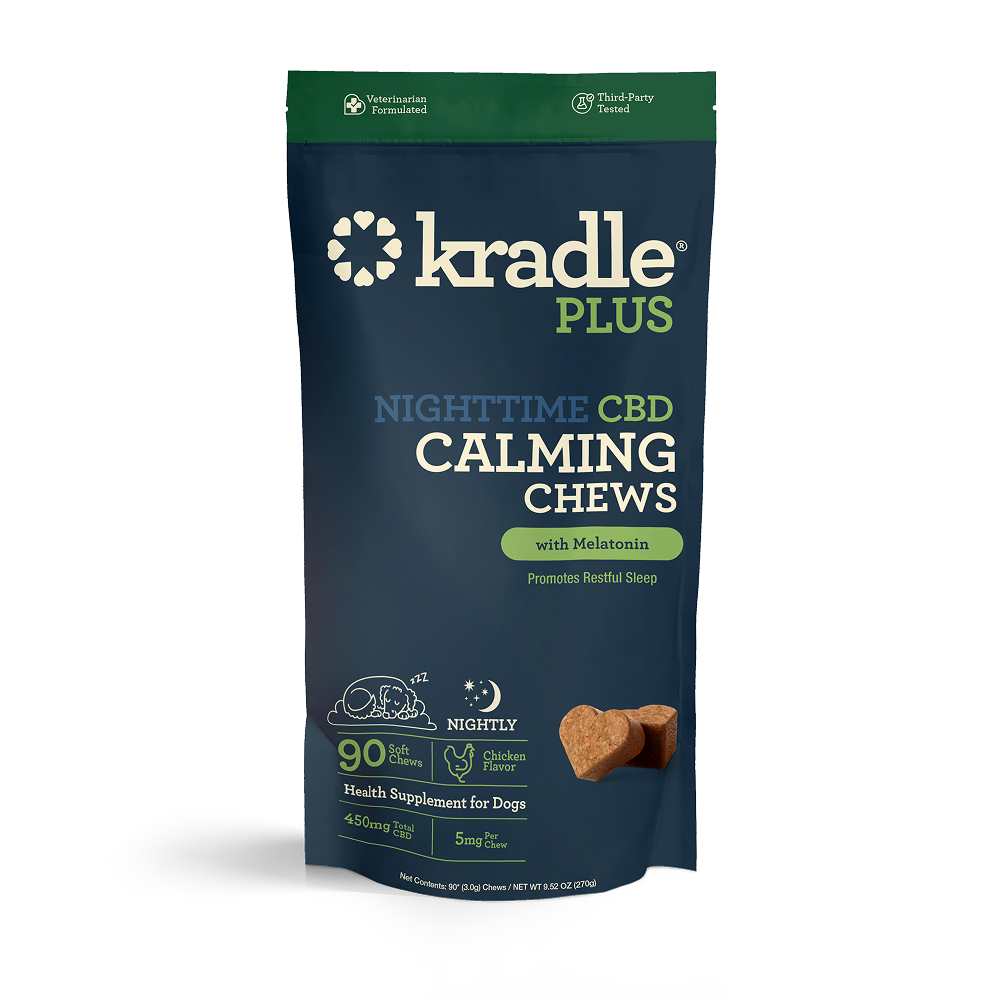
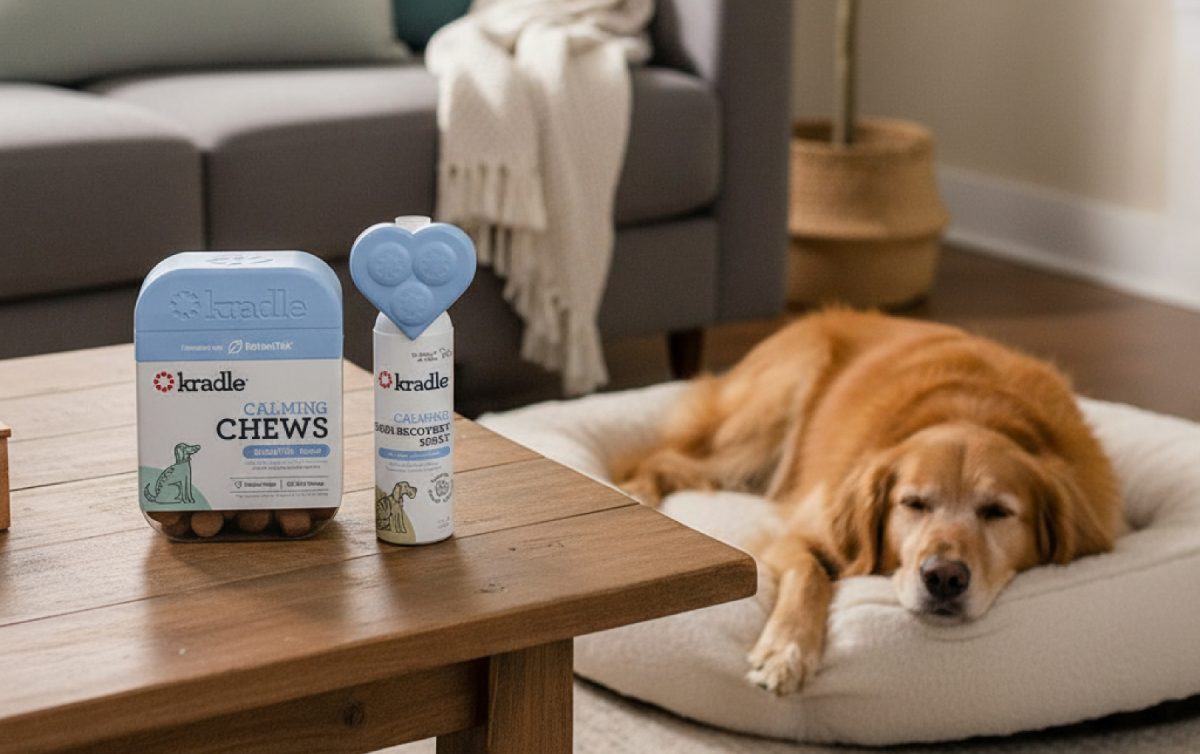
If your dog spirals during predictable triggers, Kradle calming products may help take the edge off. CBD Dog Chews, melt strips, or toppers are designed to support emotional balance. Pair them with your calming routine: safe space, slow movements, and a quiet voice. Your energy matters, too.
Call Emergency Veterinary Care
If shaking is sudden, severe, or “not your dog,” act quickly. Go to emergency care for pale gums, collapse, breathing trouble, repeated vomiting, seizures, a swollen belly, suspected toxin exposure, or a painful yelp when touched. Especially if you’re asking “why is my dog shaking uncontrollably?”.
Home Remedies to Help a Shaking Dog
If you know what’s likely behind the shaking, you can often bring some comfort at home. Here are a few things that may help, depending on the cause:
Warm blankets for cold-related shaking
Sometimes you’re simply wondering why do dogs shiver. And yes, it can be the cold. Wrap them up and let them warm up. Shaking often stops once they’re snug.
Hydration and food for low blood sugar
If your dog hasn’t eaten in a while, especially small breeds, they might just need a snack and water. Keep meals regular, and always have fresh water available, especially after activity.
Gentle exercise for arthritis relief
Older pups with joint pain often do better with short, consistent movement. Nothing intense; just a calm walk or light indoor play to loosen things up.
CBD or calming products to manage occasional stress
Stress that builds over time, like travel, visitors, or separation, may benefit from calming supplements as part of a routine. Products like CBD dog supplements are an option worth exploring if you want natural support for their mood.
Electrolytes or vet-approved remedies for nausea
If you think “my dog is wobbly and off balance all of a sudden”, or the shaking seems tied to stomach discomfort, your vet may suggest an electrolyte mix or a bland meal (think boiled chicken and rice).
Even after you try these tips, if you still find yourself asking, “why is my dog randomly shaking?”, that’s a sign to dig deeper. A quick chat with your vet is always better than googling yourself into a panic.
Distract them with toys, treats, and games
If the trembling feels mild, try calm enrichment. Offer a frozen lick mat, a puzzle feeder, or a gentle game of “find it.” Distraction can break the stress cycle. It also helps you spot patterns. Does the shaking change with noise, attention, or movement? That context matters when you’re wondering “why is my dog shaking for no reason?”
Soothe them with touch
If your dog enjoys it, use slow strokes on the chest and shoulders. Keep your body relaxed and avoid hovering. A snug wrap or a favourite blanket can also help.
Stick to a routine
Keep meals, walks, and bedtime consistent. Predictability lowers anxiety, especially if you’re noticing “my dog is shaking and acting weird all of a sudden”.
Frequently Asked Questions
Why is my dog shaking so much?
Shaking can come from cold, excitement, stress, pain, or something they ate. Check the full picture. Note the time, the setting, and any change in behaviour.
Should I be worried if my dog is shaking?
Not always. Still, take it seriously if it starts suddenly, looks severe, or feels unusual for your dog. Get urgent help if you see vomiting, collapse, confusion, trouble breathing, or pale gums.
Why is my dog shaking and panting?
Stress is a common cause. Heat and pain can also cause this. Think about loud sounds, travel, visitors, or hard exercise. Remove the trigger and offer a cool, quiet place.
Can dehydration cause shaking in dogs?
Yes. Dogs lose water fast through panting, especially in heat or after heavy play. Move your dog to a cool area and offer fresh water. Call your vet if weakness continues.
What can I do at home to stop my dog from shaking?
Start with basics. Warm your dog if they feel cold. Offer water and rest after activity. Create a calm space if anxiety seems likely. Sit nearby and speak softly. Avoid crowding. Call your vet if shaking returns often.
Can shaking be a sign of poisoning?
Yes. Sudden shaking with vomiting, drooling, weakness, or unusual behaviour can be an emergency. If toxin exposure seems possible, call your vet or an emergency clinic right away.
How do I know if my dog is shaking from pain?
Pain can stay quiet. Some dogs never yelp or limp. Look for flinching, hiding, stiffness, restlessness, or a sudden drop in appetite. If your dog seems unlike themselves, a vet visit is worth it.
Should I be worried if my dog is shivering but he’s not cold?
Not always, but do not ignore it. Anxiety, nausea, fever, pain, and fatigue can all cause shivers. If it lasts more than a few minutes, keeps returning, or comes with other symptoms, call your vet.
What are the signs of distemper in dogs?
You may notice coughing, fever, low energy, nasal or eye discharge, vomiting, or diarrhoea. Later, neurological changes can appear. Get veterinary care quickly.
Why is my dog shaking in his sleep?
Tiny twitches often mean dreams. Many dogs paddle their paws or flick their ears. If it looks intense and happens often, call your vet.
Why is my dog shaking and throwing up?
This can signal stomach upset, pain, toxin exposure, or pancreatitis. If vomiting repeats, or your dog looks weak, call a veterinarian.
Why is my dog shaking when he breathes in?
Stress can change breathing fast. If you hear noisy breathing, see coughing, notice pale or blue gums, or your dog seems panicked, seek urgent care.
Why is my dog wobbly and off balance all of a sudden?
Sudden wobbliness is a red flag. Inner-ear problems, toxins, or neurological issues can cause it.
Why is my dog shaking and acting weird all of a sudden?
Sometimes it’s nausea, sometimes pain, sometimes fever or fear. If it starts suddenly, looks severe, or you feel worried, get veterinary help.
Make your dog feel calm and secure with Kradle’s gentle, vet formulated calming solutions. Trusted by pet parents nationwide, Kradle products are designed to support a steady sense of calm. No sedation, just everyday balance when your dog needs it most. If you’re searching “why is my puppy shaking”, noticing dog trembling, or asking why do dogs tremble, Kradle can be part of a simple comfort routine, alongside a predictable schedule, quiet downtime and positive distractions.