
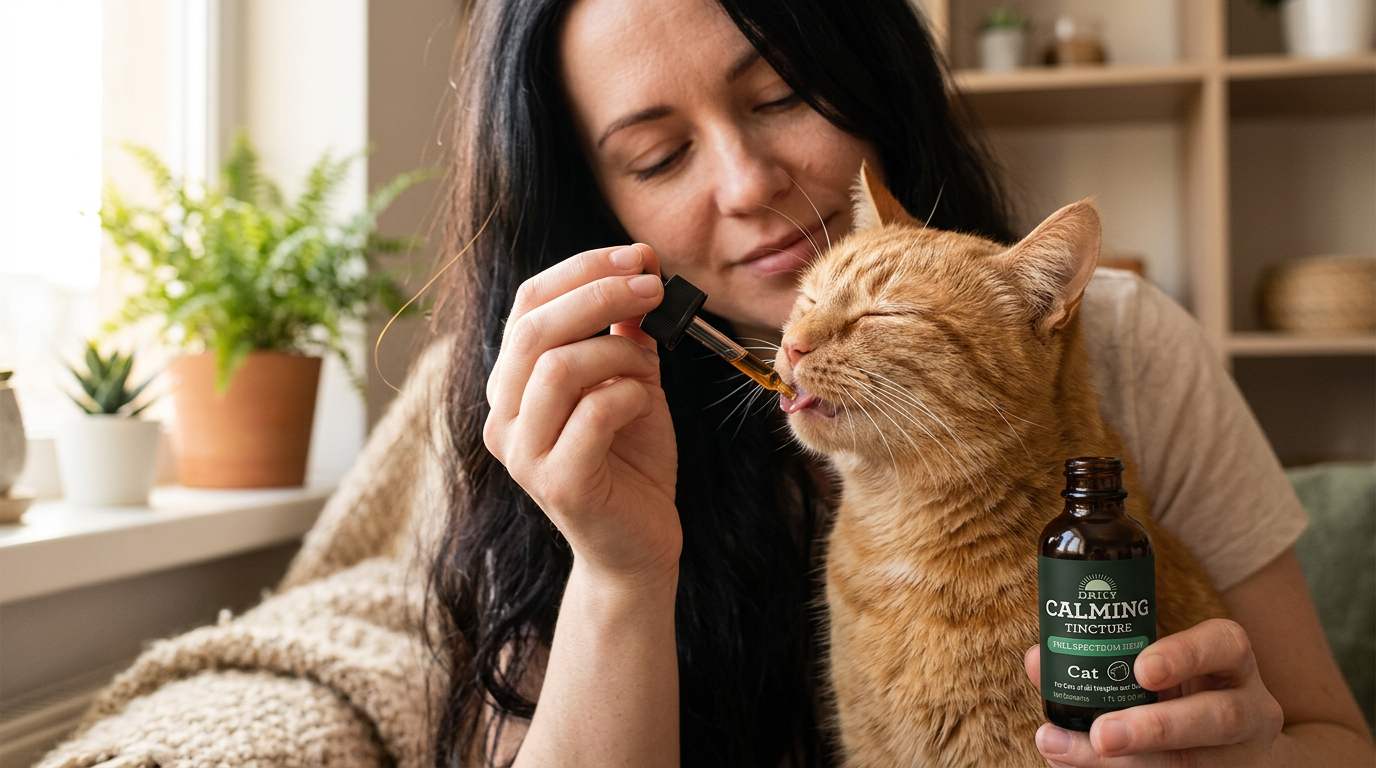
Hemp Oil vs CBD Oil for Cats: How to Understand the Difference
If you’ve ever stood in the pet aisle comparing nearly identical labels, you’re not alone. “Hemp” can mean very different things depending on which part of the plant the oil comes from, and that’s where most of the confusion starts.
This guide breaks down the key differences between hemp oil vs CBD oil for cats so you can make a more informed, everyday choice. The goal is simple: pick an option that fits your cat’s routine and helps support normal balance with less guesswork. Since cats can be picky about taste and texture, consistency matters. Choose a format you can use reliably as part of daily care.
Quick Comparison: Hemp Seed Oil vs CBD Oil
When you’re choosing hemp oil for cats, a few simple details can make the decision much easier. This quick comparison separates hemp seed oils (nutrition-focused oils) from CBD oils (cannabinoid-focused oils). It’s a helpful first step when you’re weighing CBD oil vs hemp oil for cats and want a clearer way to narrow your options.
|
Feature |
Hemp Seed Oil |
CBD Oil |
|
Source |
Hemp seeds |
Hemp flowers and other aerial plant parts |
|
Primary focus |
Nutritional fatty acids |
Hemp cannabinoids delivered in a carrier oil |
|
THC consideration |
Typically none when it’s pure hemp seed oil |
Choose products that are third-party tested with THC results available on the COA |
|
Typical use |
Supports skin and coat health |
Supports calm behavior and everyday balance |
|
Dosing style |
Often used as a daily nutritional oil |
Typically measured drops based on label directions |
What is Hemp Seed Oil?
Hemp seed oil comes from hemp seeds, which is why it’s typically viewed as a nutrition-forward oil. Many cats do well with it because it can be easy to mix into a daily routine. For a lot of pet parents, hemp for cats starts to make more sense once you separate seed-based oils from flower-based hemp extracts.
Where It Comes From And How It's Made
Hemp seed oil is made by pressing hemp seeds to release the oil. Many brands use cold-pressing, which is a low-heat method designed to help preserve the oil’s natural fatty acid profile. After pressing, the oil is typically filtered to remove seed solids and improve clarity and consistency. Because it comes from the seed, hemp seed oil is considered a straightforward, nutrition-focused ingredient, and it does not contain the hemp cannabinoids associated with flower-derived extracts.
What's Inside Hemp Seed Oil
Hemp seed oil is naturally rich in omega-3 and omega-6 fatty acids, which can help support normal skin and coat health when used alongside a balanced diet. It may also include small amounts of naturally occurring plant nutrients, depending on how the oil is processed and filtered. Because it’s a nutrition-focused oil, results tend to be gradual and are best evaluated over consistent daily use. When people ask, “is hemp oil good for cats?”, they’re usually referring to this kind of fatty-acid support.
Why It's Sometimes Called "Hemp Oil" (Causing Confusion)
Many brands use the phrase “hemp oil” as a shorthand, even when they’re referring specifically to hemp seed oil. That can make it easy to assume a product contains CBD, even when it does not. The simplest way to avoid confusion is to look for clear wording on the label, such as “hemp seed oil” or “pressed from hemp seeds,” and to check the ingredient list for terms like “hemp extract” only if you’re actually looking for a cannabinoid product.
Benefits Of Hemp Seed Oil
Hemp seed oil can help support normal skin hydration and coat softness, especially during dry seasons or indoor months when coats can look dull or feel less comfortable. Because it’s a nutrition-forward oil, changes are typically subtle and build with consistent use. Hemp seed oil can also be easy to use in a daily routine, since it mixes well with many cats’ regular feeding schedule.
What is CBD Oil?
CBD oil is made with hemp extract that contains cannabidiol (CBD), and it’s usually blended into a carrier oil to help with consistency and measured serving. Unlike hemp seed oil, CBD oil is chosen for its cannabinoid profile, meaning the label should tell you what type of hemp extract it contains (for example, broad-spectrum or full-spectrum) and how much CBD is included per serving. Because CBD products are more concentrated than simple seed oils, a routine typically depends on measured servings and verified third-party testing so you know what’s actually in the bottle.
Where It Comes From And How It's Made
CBD is typically extracted from the aerial parts of the hemp plant, especially the flowers, where cannabinoids are naturally present. After extraction, the hemp extract is blended into an oil or tincture so it can be served in consistent amounts. The extraction and refinement steps influence what remains in the final product, including other naturally occurring hemp compounds.
To choose confidently, look for a Certificate of Analysis (COA) from a third-party lab. A COA should confirm cannabinoid content and screen for common quality markers like residual solvents, heavy metals, pesticides, and microbial contaminants, depending on the brand’s testing panel. This is the simplest way to verify that the product matches the label and is appropriate for routine use
What's Inside CBD Oil
CBD oil typically includes two main parts: a hemp extract that provides cannabinoids, and a carrier oil that helps with consistency and measured serving. The hemp extract may be labeled as broad-spectrum or full-spectrum, depending on what naturally occurring hemp compounds remain after processing. Some formulas also include mild flavoring ingredients to improve acceptance, but the ingredient list should stay simple and clearly appropriate for cats. If you’re comparing products, look for a label that clearly states the amount of CBD per serving and a third-party COA that matches the batch you’re buying.
How CBD Interacts With Cats' Bodies
Cats have an endocannabinoid system (ECS), which helps support normal balance across processes like mood, stress response, and sleep-wake rhythms. CBD works by interacting with this system and related pathways in a way that may help support a steadier baseline during normal, occasional situational stress. For many routines, the focus is not a quick “fix,” but consistent daily support that helps maintain normal emotional balance over time.
Benefits Of CBD Oil
CBD oil for cats is commonly used as part of a daily routine to help maintain a normal, relaxed disposition and support normal emotional balance, especially during occasional situational stress such as noise, visitors, travel, or changes in schedule. With consistent use, some pet parents notice subtle shifts like easier settling or a calmer response to everyday disruptions, and even small changes can feel meaningful over time.
The Safety Checklist for Cat Owners
A simple checklist helps you avoid rushed decisions, especially when you’re asking “is hemp oil safe for cats?” and you want practical guardrails instead of vague reassurance. When it comes to hemp products, verification matters more than marketing.
Rule 1: Cats have different serving needs than people, and feline products should provide clear, cat-specific directions.
Rule 2: A Certificate of Analysis should confirm cannabinoid content when applicable and show THC results for the specific batch you’re buying.
Rule 3: Look for transparent sourcing, clear manufacturing standards, and brands that explain where their hemp is grown and how products are made.
Rule 4: This is especially important if your cat uses other supplements or is on any medications, since your vet can help you choose a routine that fits your cat’s individual needs.
Rule 5: Follow label directions, begin with the lowest suggested serving, and monitor your cat’s normal daily patterns, including appetite, activity, rest, and litter box habits.
If you want more context on label language and what to look for on a COA, see our guide on is CBD safe for cats. It can help you understand common testing terms and what clear documentation should include, so you can make calmer, more confident choices.
When to Use Hemp Seed Oil vs CBD Oil
Choosing between these oils is easier when you start with your goal. Coat nourishment and calm support are different targets, even though both products come from hemp. This is where “hemp for cats” becomes a practical, day-to-day decision.
Use Hemp Seed Oil If
Choose hemp seed oil if you want nutrition-focused support that fits smoothly into a feeding routine. It’s typically used to support normal skin and coat condition through naturally occurring fatty acids, not cannabinoids. A consistent daily routine is usually the best way to evaluate subtle changes over time.
Use CBD Oil If
Choose CBD oil if you want a measured hemp cannabinoid routine to support normal emotional balance, especially during occasional situational stress like noise, visitors, travel, or schedule changes. Look for clear, precise serving information on the label and adjust only in small, gradual steps over time, based on the product directions.
If you already use hemp products for pets, confirm the cat product is pet-formulated for cats, includes a third-party COA, and shows THC results for the batch you’re purchasing.
Best Practices For Consistency
Choose a consistent time of day to provide each serving. A steady routine makes it easier to notice normal day-to-day patterns and evaluate how the product fits your cat over time. If you want a more structured way to plan servings, our CBD dosage for cats guide can help you understand common label formats and questions to review with your veterinarian, especially if you prefer a vet-guided approach.
FAQs
Which is stronger, CBD oil or hemp oil?
“Stronger” depends on what you mean. CBD oil is typically more concentrated in hemp cannabinoids, while hemp seed oil (often labeled hemp oil) is primarily a nutrition-forward oil that provides fatty acids.
What is the healthiest oil for cats?
The “healthiest” option is the one that fits your cat’s individual needs and routine. Look for an oil that is pet-appropriate, easy to serve consistently, and supported by transparent quality practices (like clear labeling and, when applicable, third-party testing). Freshness and proper storage also matter so the product stays stable over time.
Is hemp calming for cats?
It depends on which “hemp” product you mean. Hemp seed oil (often labeled hemp oil) is primarily a nutrition-forward oil that supports normal skin and coat health. CBD oil is used in routines that support a normal, calm disposition and normal emotional balance, especially during occasional situational stress like noise, visitors, travel, or schedule changes.
How long does it take for hemp oil to work on cats?
With hemp seed oil, changes are typically gradual and are more often noticed over time as part of overall skin and coat support, rather than as an immediate behavior shift. Consistent use within a regular routine is the best way to evaluate subtle, day-to-day differences.
Can you give a cat too much hemp oil?
Yes. Any oil given in excess can be hard on digestion and may add more fat than your cat tolerates. Stick to the product’s label directions, introduce it gradually, and monitor your cat’s normal routines (stool quality, appetite, activity). If you’re unsure what amount is appropriate for your cat, your veterinarian can help.
How long does CBD hemp oil take to kick in?
It varies by cat and by product. Some cats may show subtle changes the same day, while others do best with consistent daily use over time. Follow label directions, keep servings measured and steady, and track your cat’s normal patterns so you can evaluate changes more clearly. If your cat takes other supplements or medications, check with your veterinarian before starting a CBD routine.
What does "third-party tested" mean and why does it matter?
“Third-party tested” means a product has been evaluated by an independent laboratory, separate from the brand. For hemp products, this is often shown through a Certificate of Analysis (COA) that verifies what’s in the product, including cannabinoid content when applicable and THC results. Many brands also test for common quality markers such as heavy metals, pesticides, residual solvents, and microbial contaminants. This matters because it supports label accuracy and helps you choose products based on documented results, not just marketing language.
Can I use human CBD oil for my cat?
It’s best to choose a pet-formulated product intended for cats. Human CBD oils may include ingredients that aren’t a good fit for cats, and they may not provide cat-specific serving guidance or the same THC safeguards you’d want for a feline routine.