
When Does a Dog Shed? Understanding Shedding Seasons and Management
Let's be honest. Shedding is a universal part of sharing your life with a canine. But when does a dog shed exactly? The answer lies in a fascinating dance between biology and the environment.
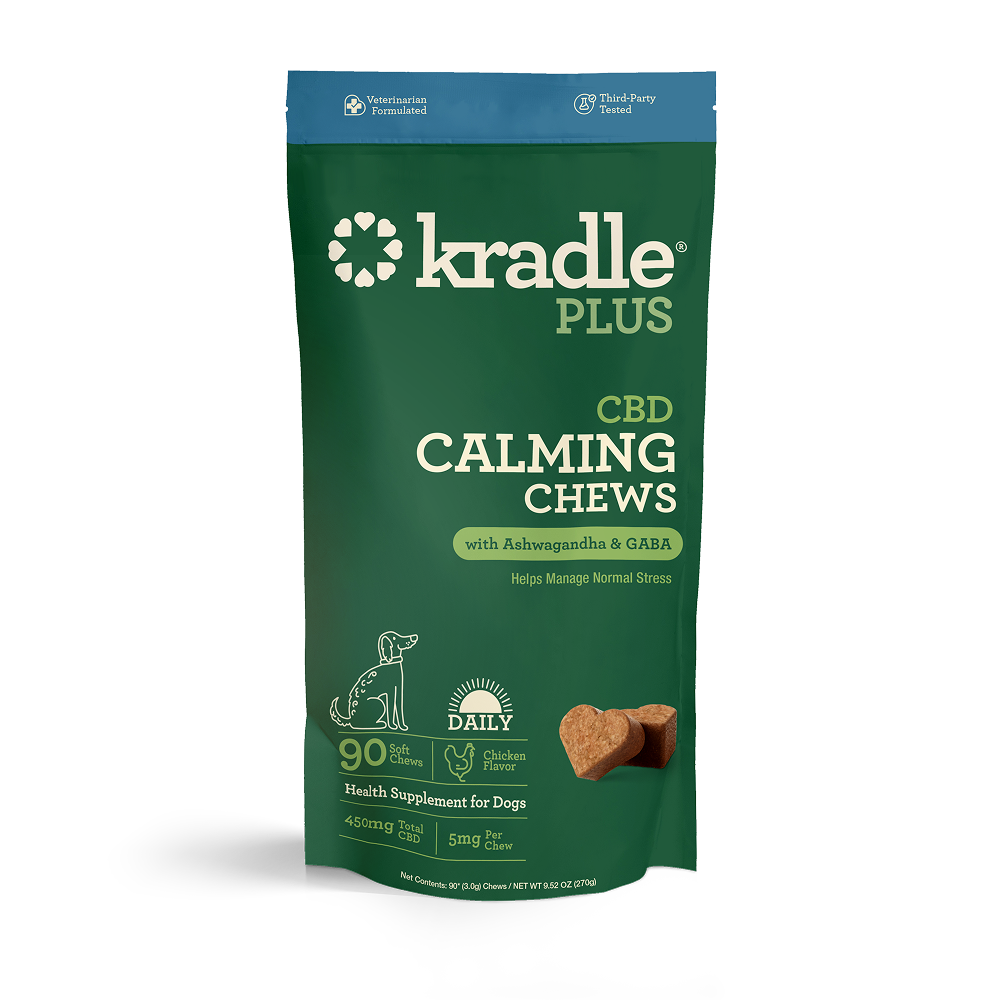
This natural process can be managed by natural supplements and products. For example, CBD Skin Recovery Chews and Spray are formulated to soothe your dog's skin and reinforce its natural barrier. A calm, healthy skin means shedding stays at a healthy level.
Why Do Dogs Shed?
Natural Cycle
Each hair grows with purpose, rests, and then concludes its service, making way for new growth.
This isn’t chaos, but a meticulously timed replacement program. It’s the constant, quiet turnover that maintains the coat’s integrity, ensuring every strand is at its peak performance.
Temperature Regulation
The canine coat is a masterpiece of biological engineering for climate control. Faced with summer’s heat, the body sheds the insulating undercoat to promote cooling breezes.
When winter whispers, shedding finer hairs densely reinforces its thermal layer. It’s an intelligent, seasonal wardrobe change dictated by the thermometer.
Photoperiod
Here lies the most potent conductor: sunlight. The photoperiod, the slow stretch and shrink of daylight, is nature’s immutable calendar. Your dog’s internal biology reads these light signals with precision.
As days lengthen or shorten, it answers the question of “when does a dog shed” by triggering a hormonal cascade that commands the follicles—initiating the grand, biannual molt.
Peak Shedding Times: Spring and Fall
The Bi-Annual "Blow"
-
Spring Shed
As days get longer and warmer, your dog sheds its thick winter undercoat. But when is shedding season for dogs or various breeds? Well, that’s spring, as their bodies adjust to rising temperatures and longer daylight.
-
Fall Shed
As the lights fade and temperatures drop, the summer coat falls out. Underneath a dense undercoat grows in. This new fluffy layer acts like built-in insulation. It traps body heat to keep your dog cozy all winter long.
Indoor vs. Outdoor Dogs
Dogs who live mostly indoors can get confused. Steady home temperatures and electric lights blur the lines of nature's calendar. Their bodies don't get the clear "change coats now!" signal from the sun. So instead of two big sheds, they often just shed a little bit, all year long.
Different Breeds, Different Shedding Schedules
Double-Coated Breeds (Seasonal Shedders)
These dogs, like Huskies and German Shepherds, wear a two-piece suit. A soft undercoat for warmth and a protective topcoat. They are the kings of the seasonal "blow." You'll enjoy low maintenance for months, then brace for a few intense weeks of tufts and tumbleweeds as they swap their entire insulating layer.
Single-Coated Breeds (Low Shedders)
Think Poodles or Yorkies. They sport hair that grows more like humans—continuously, without a dense undercoat. This means minimal, year-round fallout. Many people choose these breeds because they are often listed as dogs that don't shed, though regular grooming is still essential.
Short-Coated Breeds (Year-Round Shedders)
Breeds like Labradors and Beagles often have a dense double coat packed into a shorter format. They tend to shed steadily, every single day. You'll find fine, prickly hairs woven into your fabrics.
Medical Reasons for Excessive Shedding in Dogs
-
Stress and Anxiety
A scared or nervous dog can literally shed from worry. Big changes or loud noises send stress signals to their skin. This can pause hair growth, leading to a sudden shed days or weeks later.
-
Allergies and Skin Disorders
Itchy skin is tired skin. Allergies to food, grass, or dust cause constant scratching. This irritation damages the tiny roots that hold each hair. The fur breaks or falls out in sore, patchy spots.
-
Poor Diet and Nutrition
A diet missing key oils and proteins starves the hair follicles. The coat becomes dry and weak, letting go of hairs much too easily. It often leaves owners wondering, “why is my dog shedding so much,” when the answer starts in the food bowl. Also, nutrition that supports Pampered Dog Skin helps keep the coat strong.
-
Parasites (Fleas, Ticks, Mites)
Tiny bugs cause big problems. Their bites make the skin itchy and angry. Your dog’s scratching doesn’t just bother the pests—it tears out hair by the roots.
-
Diseases & Hormonal Imbalances
Conditions like thyroid disease mix up the body’s signals. Hair gets the wrong instruction: “stop growing” and “fall out now,” often in even, thin patterns.
-
Reaction to Medications
Some medicines have side effects. While fixing one issue, they can accidentally disturb the hair cycle. This may lead to a temporary but noticeable increase in shedding.
-
Sunburn
Dogs can get sunburned too, especially on light skin or thin fur. Burned skin becomes sore and inflamed. The damaged hair above it often falls out as the skin heals.
-
Breed Genetics
For some dogs, heavy shedding is just in their DNA. Breeds like Malamutes are built to “blow” their entire coat. It looks extreme, but it’s simply their natural, seasonal reset.
-
Age-Related Shedding
Older dogs change. Their skin gets thinner and drier with age. Their coat naturally becomes lighter and more delicate, shedding more easily.
How to Manage Dog Shedding
Choose the Right Tools
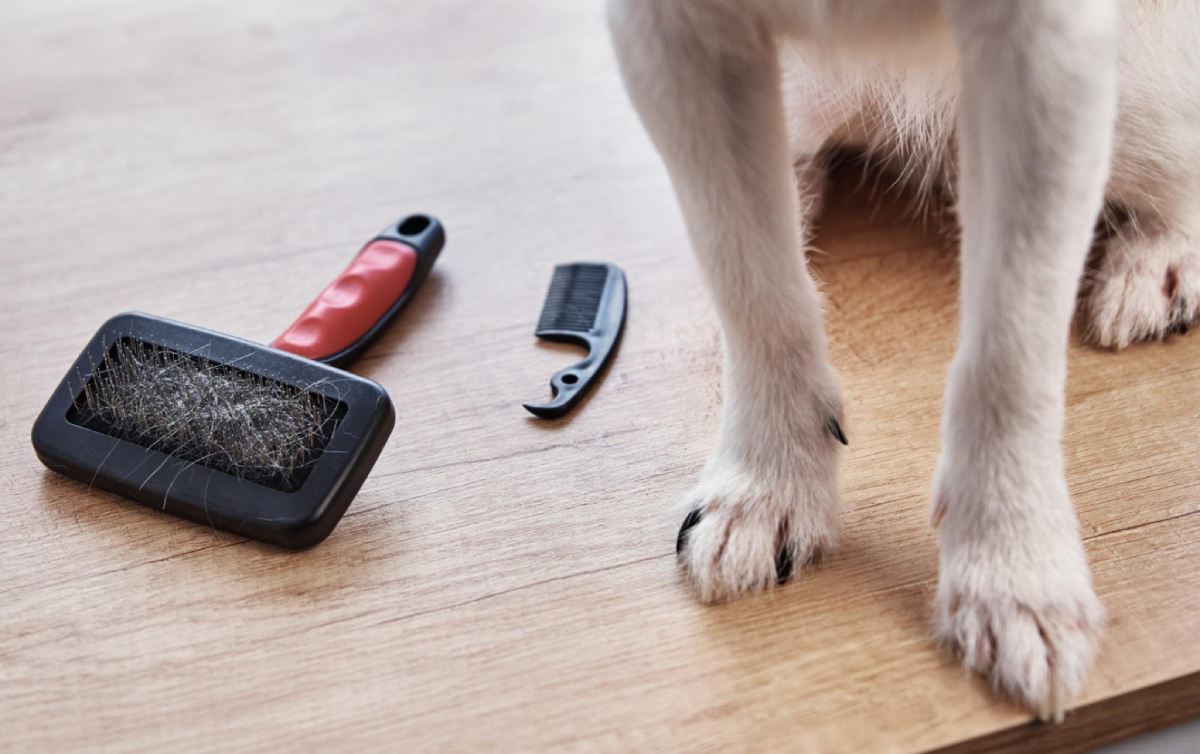
Matching your tool to the coat is one of the best dog shedding remedies. A sleek rake for the dense undercoat. A gentle glove for short hair. The perfect tool encourages strong, new growth.
Establishing a Routine
But how to stop a dog from shedding in a way that actually works? Via regular, gentle brushing—many times a week. It captures the loose hair in your hand. This steady routine is one of the simplest ways to learn how to stop dog shedding without working against your dog’s natural cycle.
Bathing & Blowouts
A proper bath with the right shampoo softens and loosens the old coat. Then, the cool force of a professional dryer lifts it all away. It leaves behind a lighter, healthier dog.
Making Grooming a Positive Experience
Use patience, praise, and reward. For the dog who is tense or itchy, a CBD Skin Recovery Spray that supports CBD for Dog Skin Health is one of many CBD products for dogs that can set the stage. Applied before brushing, it helps calm the skin’s discomfort. This creates a moment of relief, making your touch a welcome comfort.
When is Shedding a Health Problem?
Signs of Trouble
Watch for the story the skin tells. Bald patches, redness, or a greasy coat are chapters of distress. So is fur that comes out too easily in your hand. If the shedding seems angry or frantic, it is no longer natural. It is a signal to act.
Potential Causes
Look for the hidden thief. Often, it is a tiny pest, a food that disagrees, or a body out of balance. Stress can also steal a healthy coat. Your detective work begins here. Finding the cause is the first step to bringing back peace.
Soothing Itchy, Irritated Skin
Itch is a tyrant. It commands your dog to scratch and bite, turning a mild shed into a violent pull. This trauma yanks out healthy hair, creating sore, naked patches. The skin's barrier breaks, leaving it vulnerable and crying out for relief.
Now, imagine calming the storm from within. CBD’s gentle, anti-inflammatory touch can soothe the fiery itch. By addressing this deep irritation, a CBD supplement helps quiet the urge to scratch. This allows the skin to heal and the coat to regrow, strong and whole again.
When to visit VET?
Do not ignore the coat's silent plea. When shedding leaves raw skin, visible sores, or strange bald patches, it is a call for help. A sudden, dramatic loss or a dry, lifeless coat paired with low energy are clear signs. Your wise course is clear: seek the expert eye of your veterinarian to find the cause and the cure.
FAQs
What month do dogs shed the most?
Late spring is the peak. They lose their thick winter coat then. Many dogs also have a smaller shed in early fall to grow their winter fur. This timing explains when do dogs shed the most and why those seasons feel especially furry.
What triggers a dog to start shedding?
Two things start it: more daylight and warmer air. Longer spring days are the main signal. Then, rising temperatures tell their body to drop the warm undercoat.
In which month does dog hair fall?
Some hair falls all year. But the big sheds are in April-May and September-October. You'll see the most hair around these months, answering the common question of when does a dog shed in bulk.
How does a dog know when to shed?
Their body senses daylight. When days get longer or shorter, it sends a hormone message. This message tells the hair follicles to let the old fur go.
Which dog has the worst shedding?
The biggest breeds prone to dog shedding have thick double coats. The Siberian Husky, Alaskan Malamute, and Bernese Mountain Dog are known for this. They leave huge amounts of soft fur behind.
What food causes dog shedding?
No food directly causes dog shedding. But a bad diet makes it worse. Food missing good protein and healthy fats leads to weak fur. Weak fur falls out more easily.
How often should I brush my dog to prevent shedding?
Brush often to control it. For light shedders, once a week works. For heavy shedders, brush 2-3 times a week. Brush daily during their big seasonal sheds.
Do all dogs shed?
Yes, all dogs shed. It is normal and healthy, even though shedding looks different for every breed.