


How Long Can Cats Be Left Alone Safely? A Comprehensive Guide
Cats can seem wonderfully independent. Give them a bowl of food, fresh water, and a clean litter box, and they often act like they have everything under control.
That impression is why so many people casually ask how long can you leave a cat alone without thinking twice. But how long can cats be left alone really depends on more than convenience. Cats may enjoy quiet time, but many still rely on routine, comfort, and connection.
So how long can a cat be left alone before it starts to feel like too much? For most pet parents, this question becomes even more important when thinking about leaving cats alone for 4 days. The goal is not just that your cat has food and water, but that they stay comfortable, safe, and supported while you are away.
General Guidelines by Age
Kittens (Under 4 Months)
- Limit: About 2 to 4 hours maximum.
- Why: Kittens need frequent meals, supervision, and a safe environment. Young kittens eat every few hours and can get into trouble quickly if left alone too long.
Adolescents (5 to 6 Months)
- Limit: Up to about 5 to 6 hours.
- Why: This stage brings confidence and curiosity, but adolescent cats still lack judgment. They benefit from regular play, routine, and social interaction.
Healthy Adult Cats (1 to 7 Years)
- Limit: About 8 to 12 hours, similar to a workday.
- Why: Many adult cats handle independence well as long as their food, water, and litter needs are met. Even so, most still do best with daily interaction and predictable routines.
Senior Cats (8+ Years)
- Limit: Often 8 to 10 hours, depending on individual needs.
- Why: Older cats may need more frequent check ins, especially if they need scheduled meals, extra comfort support, or closer monitoring of daily habits. Regular human presence can help them feel more secure.
Factors That Change the Rules
Health Status
Cats with ongoing health needs often require more frequent care. Some need scheduled medication or close monitoring. If meals or doses are missed, problems can develop quickly. For these cats, regular check-ins or a pet sitter is the safest plan.
Dietary Needs
Cats who eat wet food typically need fresh meals. Wet food can dry out, spoil, or attract bacteria if it sits too long. If your cat eats wet food, plan for someone to serve fresh portions and remove leftovers on schedule.
Personality and Anxiousness
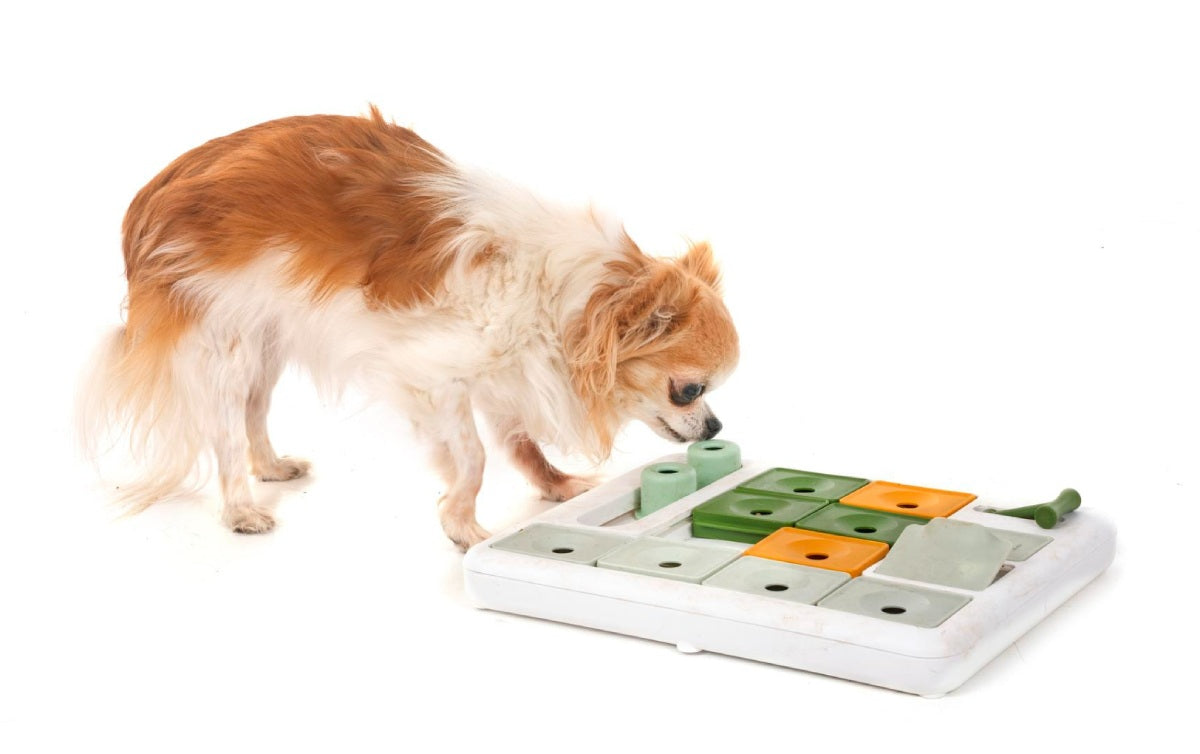
Some cats struggle more with alone time than others. They may follow you from room to room, vocalize more when you leave, or hide during changes in routine. For these cats, predictability helps. Keep feeding times consistent, leave familiar bedding or a shirt that smells like you, and add simple enrichment like puzzle feeders or window watching. If your cat regularly seems very distressed when left alone, talk with your veterinarian for guidance on supportive options.
Multi Cat Households
More cats does not always mean less stress. Some cats do not share resources easily and may guard food, litter boxes, or favorite spaces. Without supervision, small tension can build into bigger conflict. If you will be away, set up multiple feeding stations, several water sources, and more than one litter box so cats can spread out and avoid crowding.
The Danger Zone: Leaving Cats for Days
In most cases, leaving a cat alone for more than 24 hours without anyone checking in is not safe, and it is not recommended when people ask how long can you leave a cat alone. Cats may seem independent, but long stretches without fresh food, clean litter, and a wellness check can create real risks. One quiet day may be manageable for some cats. Two or three days without visits can disrupt routines and increase stress quickly.
The Risks
-
Medical Issues Can Be Missed
Cats are good at hiding when they do not feel well. An illness, injury, or missed medication can worsen quickly, and without a person checking in, early warning signs may go unnoticed. -
Dirty Litter Boxes
Cats are naturally clean and many become stressed when the litter box is full or dirty. Some may avoid the box, while others may hold it, which can create unwanted habits and discomfort. -
Resource Problems
Water bowls can be spilled, food can run out sooner than expected, and automatic feeders can fail. Even small disruptions can become a bigger issue if nobody is there to reset things. -
Routine Disruption and Stress
Cats rely on routine. Too much alone time can lead to stress behaviors like hiding, vocalizing, or changes in appetite. Some cats may eat less, while others may withdraw for long periods. -
The Solution
Plan ahead and arrange daily visits. Hire a pet sitter or ask someone you trust to check in. For most cats, a consistent human check in is the safest way to keep food, water, litter, and routines on track.
Preparing Your Cat for Your Absence
Use Calming Products
Some cats do better with familiar scents and a consistent setup. Calming sprays or pheromone diffusers can be used in resting areas or favorite corners, following label directions. If you are considering any supplements, talk with your veterinarian so you choose options that fit your cat’s needs.
Enrich Their Environment
Give your cat simple activities to explore while you are away. A sunny window perch, a paper bag, or a rotating set of toys can keep the day more engaging. Puzzle toys can also turn snacks into a low effort game.
Ensure Comfort and Safety
Before you leave, do a quick walkthrough. Put away cords, secure anything that could tip over, refresh water stations, and clean the litter box. Leave soft resting spots in familiar areas. Small details like this help your cat feel more comfortable and supported while you are gone.
Use Calming Aids
Your presence can feel familiar even when you are not home. A sweater or blanket that smells like you can be comforting. Soft background sound, like quiet music, can make the space feel less empty for some cats. Keeping your departure routine consistent can also help, since familiar patterns and cues make absences feel more predictable.
Tech Solutions
Technology can be a helpful extra layer. Cameras let you check in and confirm your cat is moving around normally. Some devices also allow two way audio, which can be reassuring for certain cats, but it should not replace daily care when you are away for more than a day.
What a Pet Sitter Needs to Know
A good pet sitter does more than refill bowls. They step into your routine. Share feeding times, portions, and where food is stored, along with litter box expectations and where cleaning supplies are kept. Include any health needs clearly, such as medication instructions, timing, and dosage. Leave your veterinarian’s contact information in an easy to find place, along with emergency contacts, your number, and a backup person. It also helps to describe your cat’s personality and habits, including favorite sleeping spots, hiding places, and which toys they actually enjoy. Finally, ask the sitter to spend a few minutes simply being present, speaking softly, and letting your cat engage at their own pace, since calm attention can make a big difference.
Conclusion
Cats may nap for hours and act unbothered, but they notice change. They notice when the house is quieter than usual, and they notice when you are gone longer than normal. That is why questions like how long can cats be left alone matter. It is less about a strict rule on a chart and more about understanding your cat’s age, needs, and daily habits. When people ask how long can cats be left alone, the safest answer depends on the individual cat, not just the calendar.
FAQs
Is it okay to leave a cat alone for 4 days?
Four days is too long without daily care. If you will be away that long, arrange daily visits to refresh food and water, clean the litter box, and check your cat’s wellbeing.
What is the 3-3-3 rule for cats?
The 3-3-3 rule is a general guideline for how some cats adjust to change. Roughly 3 days to decompress, 3 weeks to learn a routine, and 3 months to feel more settled. Every cat’s timeline is different.
Will my cat be ok if I go on vacation?
Yes, if you plan ahead. Cats do not need constant attention, but they do need consistency. Daily visits, fresh food, clean litter, and familiar routines can make a vacation feel safe.
How long can cats be left alone overnight?
A healthy adult cat can usually handle one night alone if they have clean litter, fresh water, and food set up safely.
How long is 1 hour to a cat?
Cats do not track time like humans. They respond to routine and change. If everything feels normal, one hour is usually not a big deal. If routine is disrupted, even a short absence can feel different.
Will my cat be okay if I leave for 2 weeks?
Not without planning for daily care. Feeders and cameras are helpful extras, but they are not enough on their own. Cats need daily check ins for food, water, litter, and general observation.
Do cats get sad when their owners go on vacation?
Some cats show behavior changes when routines shift. It may look like hiding, changes in appetite, or being extra clingy when you return.
Can I leave my cat alone for 3 days?
“Can I leave my cat alone for 3 days” is a common question. The safest answer is no, not without daily visits. Arrange a sitter or trusted friend to check in each day.
What To Consider Before Leaving a Cat Alone
Age, health needs, diet, and temperament all matter. Consider feeding schedules, medication instructions, litter habits, and how your cat handles routine changes.
Can I Leave My Cat Alone for a Week?
A week is too long without daily care. Plan daily check-ins for monitoring, clean resources, and routine support.
Can I leave my cat alone for 2 days?
“Can I leave my cat alone for 2 days" depends on the cat, but a check in is strongly recommended. At minimum, arrange one visit to refresh food and water, clean the litter box, and confirm your cat is doing well.
Can I leave my cat alone for 10 days?
Leaving a cat alone for 10 days without care is dangerous. Ten days requires daily visits and consistent human care throughout the trip.