
How to Calm Down a Hyper Dog: Proven Strategies for Peace and Quiet
Living with a high energy dog can feel like sharing your home with a tiny tornado that struggles to settle. If you are searching how to calm down a hyper dog, pause before blaming yourself. This is common, and it can improve with steady routines. With the right plan, it is manageable.
In this guide, you will learn what often fuels high energy and how to build calmer habits in clear, realistic steps.
Why Is My Dog So Hyper?

If your dog is so hyper, look at the mix of drive, routine, and emotional load instead of searching for one single cause.
Three common drivers to keep in view:
Breed genetics
Some dogs are wired for constant jobs, fast reactions, and high engagement.
Boredom versus stress
Boredom looks for entertainment. Stress looks for control, distance, or safety.
The overtired toddler effect
Fatigue can reduce impulse control, making energy look louder and harder to settle.
When “Hyper” Is Really Stress and Anxiousness

Busy behavior can sometimes show up when a dog feels unsettled. If you are searching how to calm an anxious dog, start by noticing what seems to trigger your dog and how long it takes them to recover. Recovery time is a useful clue.
Common triggers include:
- Sudden schedule changes such as travel or new work hours
- Loud environments, like constant street noise or frequent door sounds
- Low confidence with new people, places, or handling
- Separation related stress when alone time changes quickly
- Overstimulation from long play sessions without enough rest
If you are trying to support a dog who gets overwhelmed easily, predictability and choice matter. Build skills that give your dog a simple “exit plan,” like going to a mat, moving behind a gate, or taking a break in a quiet space.
Physical vs. Mental Exercise: Why the Walk Isn't Enough

It is easy to think, “If I run him for five miles, he will finally be tired.” In practice, that can build stamina and leave you with a dog who needs even more activity tomorrow. Distance alone can increase endurance without teaching calm, so your dog comes back stronger and still restless.
A better goal is balance. Mental work often tires dogs out faster than more mileage because it asks them to think, focus, and problem solve.
Try these swaps:
- Scent Work: “Sniffari” walks where your dog chooses the route for part of the walk at a safe pace.
- Ditch the Bowl: Puzzle feeders or scatter feeding to slow meals and add focus.
- Training: Ten minutes of learning a new cue can outlast a long power walk.
If you are trying to calm down a hyper dog without adding more mileage, these short mental sessions can support calmer behavior during busy moments.
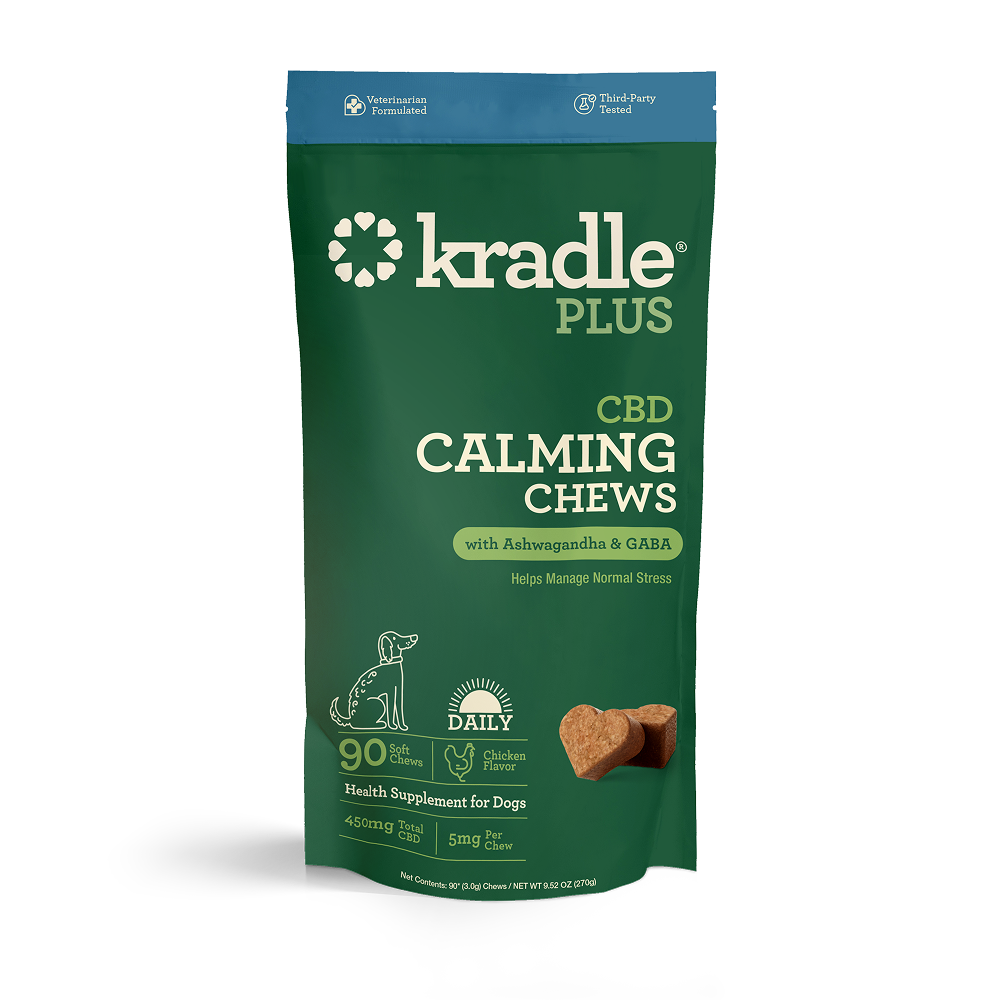
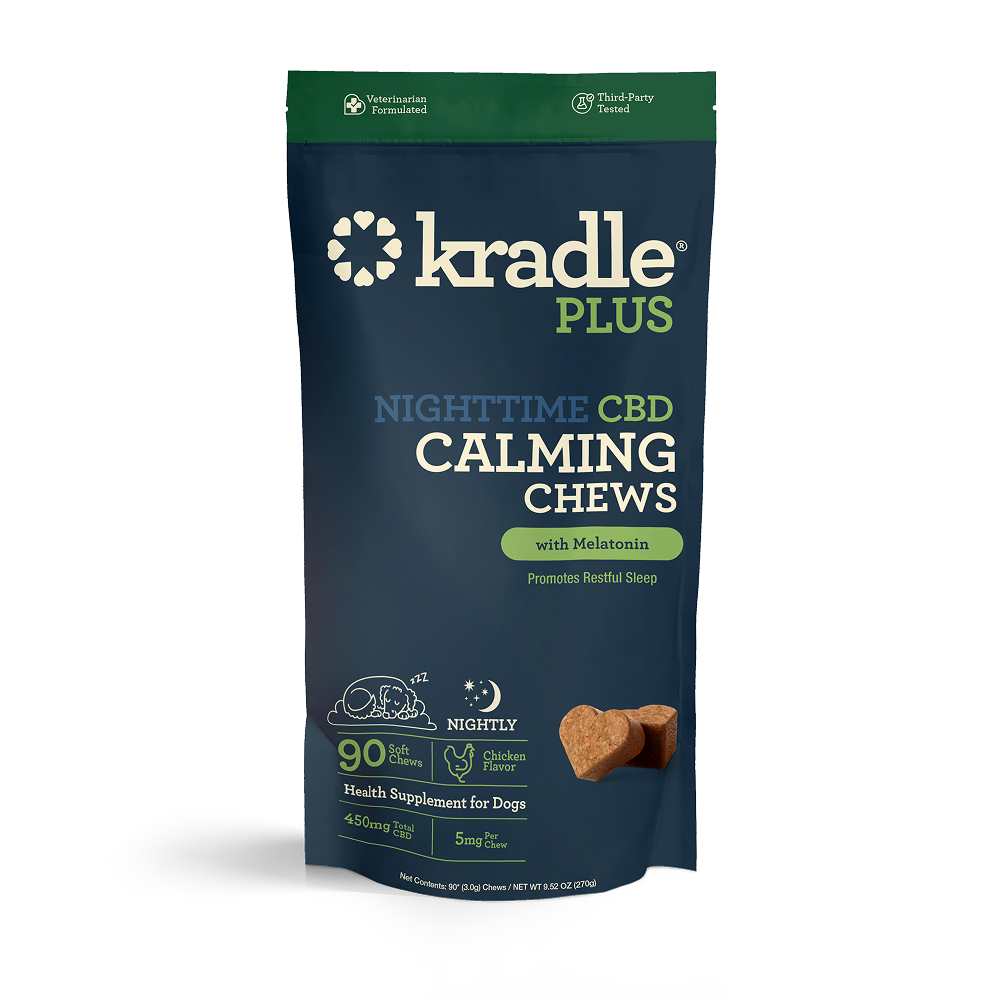
Some pet parents also add CBD for pets to a wellness routine, while still relying on training and enrichment to build coping skills. If you choose that route, keep the goal simple and compliant: support a calm disposition during times of normal, occasional stress.
How to Teach Your Dog to Settle

Many dogs are not born knowing how to relax in a human home. Calm is not “extra.” It is a skill you can practice and strengthen.
Use this simple three part approach:
- The place cue: Reward your dog for staying on a mat in short, winnable steps.
- Capturing calm: Quietly reward natural calm moments like soft eyes, a relaxed body, or resting on their own.
- Protect rest: Use a gate, pen, or quiet room so nap windows stay consistent and rest becomes normal.
If you want to know how to calm down a hyper dog, settle training helps shape calmer choices and shifts daily patterns over time.
Natural Ways to Calm a Stressed Dog
Natural support works best when it sits on top of structure. If you are learning how to calm an anxious dog, think in layers rather than quick fixes. Small layers add up.
Start with these practical options:
- Daily movement in short sessions with pause breaks
- A hobby like nose games, lick mats, or “find it” searches
- Massage with slow strokes, stopping if your dog pulls away
- Calming supplements that fit a routine wellness approach
- Steady background sound paired with a chew or lick activity
- Crate training as a rest nook built with treats and positive association
- Predictable routines that include real rest
- Basic cues like wait, leave it, and drop it to reduce frantic decisions
- Consistent meals and portions
- Calming clothes using gentle pressure, tested during calm moments first
If you keep searching “what can I give my dog for anxiety?” treat that phrase as a prompt to step back and build a plan. Many dogs need lifestyle changes plus targeted support. Your veterinarian can help you choose options that fit your dog’s age, history, and daily rhythm.
For added everyday support, CBD Calming Oil is formulated to help maintain a normal, relaxed disposition during times of normal, occasional stress. Follow label directions, and if your dog has ongoing health concerns or takes other supplements or medications, check with your veterinarian first.
When to Consult Your Vet
If your dog’s extra energy or worried behavior feels new, is increasing, or is paired with sensitivity to touch, movement changes, or disrupted sleep, contact your veterinarian.
Before the visit, jot down what happened right before the reaction. Note posture, breathing, how long it lasted, and what helped your dog settle. Those details make the appointment more useful.
FAQs
Are some dog breeds more hyperactive or anxious than others?
Yes. Some breeds have higher drive and may need more structure and mental work. Individual temperament still matters most.
What food is good for dogs with anxiety?
Choose a complete, balanced diet that works well for your dog. If you are considering a diet change, talk with your veterinarian, especially if your dog has a sensitive stomach.
What sounds help dogs relax?
Soft music and gentle white noise can help, especially when paired with a chew or licking activity. Keep the volume low and steady.
How do I get my dog to quit being hyper?
Build a daily rhythm with sniff walks, training, food puzzles, and protected nap time. Reward calm moments you want repeated. Consistency reshapes the baseline over time.
What is the best calming aid for hyper dogs?
The best foundation is a steady routine plus brain work like sniffing, puzzles, and short training. If stress keeps breaking focus, ask your veterinarian about options that fit your dog.
Do hyper dogs ever calm down?
Yes. Many dogs settle with maturity and consistent routines. Progress can be gradual, but calm moments usually get longer with practice.
What is the best thing for a dog with anxiousness?
Reduce triggers where you can, increase choice, and teach coping skills like place and calm check ins. Pair that with enrichment that tires the brain and supports relaxed behavior.