
How to Keep Dogs’ Teeth Clean: Daily Habits That Support Oral Health
By the age of 3, many dogs can start showing signs that their oral care routine could use extra support. Dental health is not just about white teeth or fresher breath. A clean mouth is part of everyday wellness, and a consistent routine helps support normal gum condition and overall comfort.
The good news is you do not need to be a professional to build better habits at home. Learning how to keep dogs teeth clean comes down to a few simple steps you can repeat consistently. Over time, those small routines can make a noticeable difference in your dog’s day-to-day oral hygiene.
What Could Happen if You Don’t Take Care of Your Dog’s Teeth?
When a dog’s oral care routine gets inconsistent, the earliest signs are usually easy to notice. Breath may smell stronger, and teeth can start to look dull or yellowed. A soft, sticky coating can build up on the teeth over time, and if it isn’t regularly removed, it can harden into a rough layer that’s harder to manage with simple at-home habits.
That buildup can make the mouth feel less comfortable. Some dogs may seem more sensitive around the mouth, chew differently, or become pickier at mealtimes. That’s why steady dog dental care matters. Keeping up with daily or weekly habits supports normal oral hygiene and helps your dog stay comfortable as part of their overall wellness routine.
Daily Brushing: The Most Effective Method
Why it wins
Dog toothpaste can support the process, but the real difference comes from the brushing action itself. Soft bristles provide a gentle scrub that may help remove the daily film that can build up on teeth. Brushing also helps reach areas that are easy to miss, especially along the gumline and in the back teeth where buildup tends to collect.
For best results, keep the routine calm and consistent. Even short sessions done regularly can help maintain cleaner teeth and support normal oral hygiene over time.
The "How-To"
The process of how to keep dogs teeth clean starts simple. Begin with a small amount of dog-specific toothpaste. Let your dog sniff it and taste a little, then gently rub your finger along the outer gums and teeth to help them get comfortable with the routine.
Once your dog is relaxed with that step, move to a soft finger brush or dog toothbrush. Lift the lip slightly and brush in small circles along the outer surfaces of the teeth, especially the back teeth where buildup tends to collect. Start with short sessions. Even 30 seconds is a great beginning. Consistency matters more than doing it perfectly on day one.
Tip
Choose a calm time for dog dental care, like after a walk or playtime when your dog is already relaxed. Keep the session short, aim for about a minute, and follow it with praise and something your dog enjoys, like gentle petting or a favorite activity.
If your dog resists, don’t force it. End on a neutral note and try again another day. What matters most is building the habit gradually and keeping the experience positive. And if you want extra guidance, your veterinarian can show you brushing technique at a routine visit and help you choose tools that fit your dog’s size and comfort.
Dental Chews: A Helpful Addition to Your Routine
How They Work
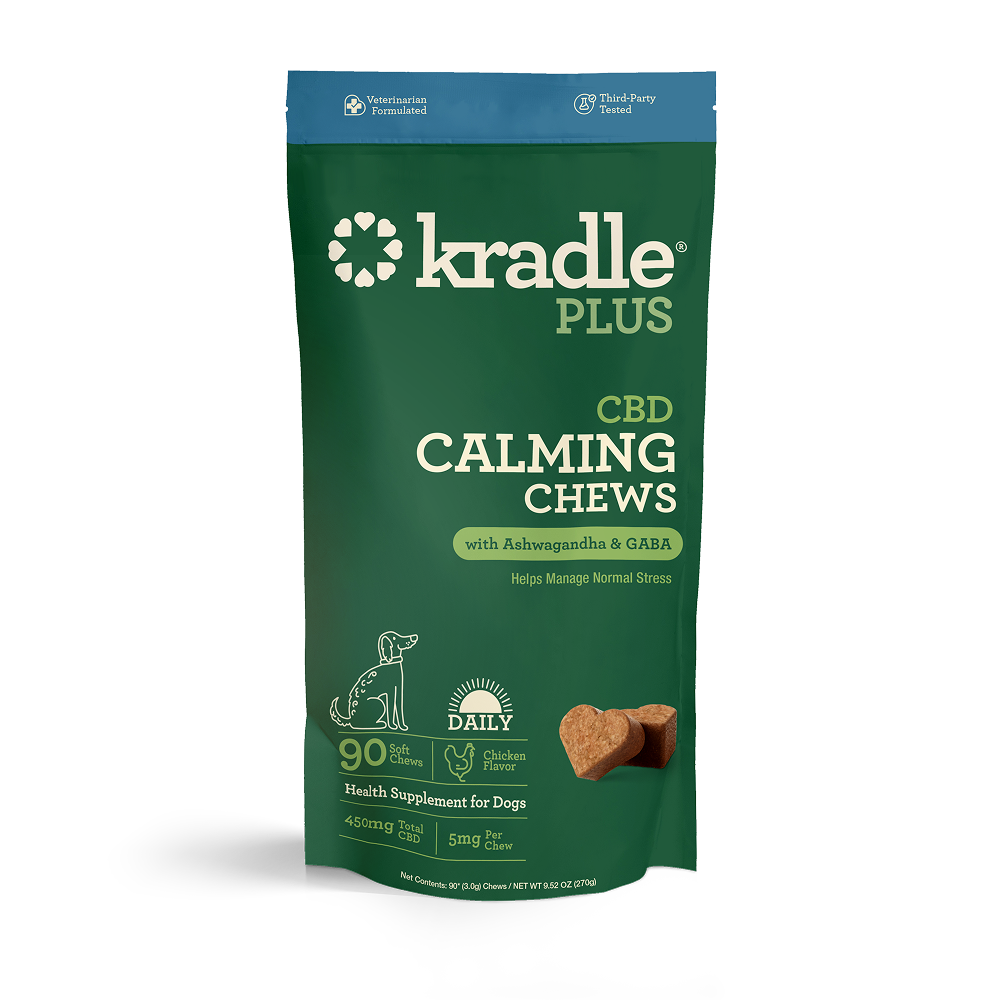
If you’re wondering how to keep dogs teeth clean between brushing sessions, CBD dental chews can be a simple option to add to your routine. When your dog chews, the textured surface provides a gentle, mechanical “scrubbing” action on the teeth. Chewing can also support normal saliva flow, which helps rinse the mouth as part of everyday oral hygiene. That consistency is why dental chews are often included in common Dental Hygiene Tips for Dogs.
Choosing the Right Chew
When selecting a dental chew, start with what fits your dog’s daily routine and sensitivities. Choose an appropriate size and chew style so it’s comfortable and used as intended, and look for simple, clearly listed ingredients that align with your preferences. It also helps to pick options with clear feeding directions and transparent quality standards from the brand. If your dog has a sensitive stomach or you’re introducing a new chew, start slowly and observe how your dog does before making it a regular part of the routine.
Benefits
Dental chews can act as a “between-brushings” support tool. The chewing action helps support cleaner teeth day to day, and normal saliva flow supports a fresher mouth feel. Used alongside brushing, they can help support dental care for dogs and maintain normal oral hygiene.
How to Clean Dog Teeth Without Brushing
Dental Wipes
Dental wipes can be a simple option if your dog isn’t ready for brushing yet. Wrap a wipe around your finger and gently wipe the outer surfaces of the teeth and along the gumline. This helps remove the day-to-day film that can build up and supports normal oral hygiene. Wipes are also a good “starter step” for nervous dogs, even though they may not reach every area as thoroughly as a toothbrush can.
Water Additives &
If you’re looking for how to clean dogs teeth at home without a brush, water additives can be an easy option to include in your routine. You add the recommended amount to your dog’s water bowl each day, and it supports normal oral hygiene and a fresher mouth feel as part of daily care. Like most at-home options, it tends to work best when paired with other habits, such as dental chews or occasional brushing, depending on what your dog will tolerate.
Add Dental Powder To Your Dog’s Meals
Dental powders are an easy add-in you mix into your dog’s regular meals. Used consistently, they’re designed to support normal oral hygiene by helping manage the daily buildup that can collect on teeth over time. If you’re looking for how to clean dog teeth naturally, this can be a simple routine option, especially for dogs that are not comfortable with brushing. As with any new addition, follow label directions and introduce it gradually so you can see how your dog does.
Ask Your Vet About Prescription Dental Food
If you want an additional layer of support, your veterinarian can recommend dental diet options formulated specifically for oral care. These diets are designed with a particular kibble size and texture to encourage chewing, which can provide gentle mechanical cleaning as part of a daily routine. If your vet feels it’s a good fit for your dog, it can be an easy way to support dog dental care alongside habits like brushing, dental chews, or other at-home options.
Diet and Professional Cleanings
The Role of Diet
Diet can play a supporting role in oral hygiene, but it’s only one piece of the routine. Some dogs chew dry kibble more than wet food, which may provide a small amount of mechanical cleaning. If you want a more targeted option, your veterinarian can recommend dental diet formulas designed with a specific kibble size and texture to encourage chewing as part of daily care.
The Vet Visit
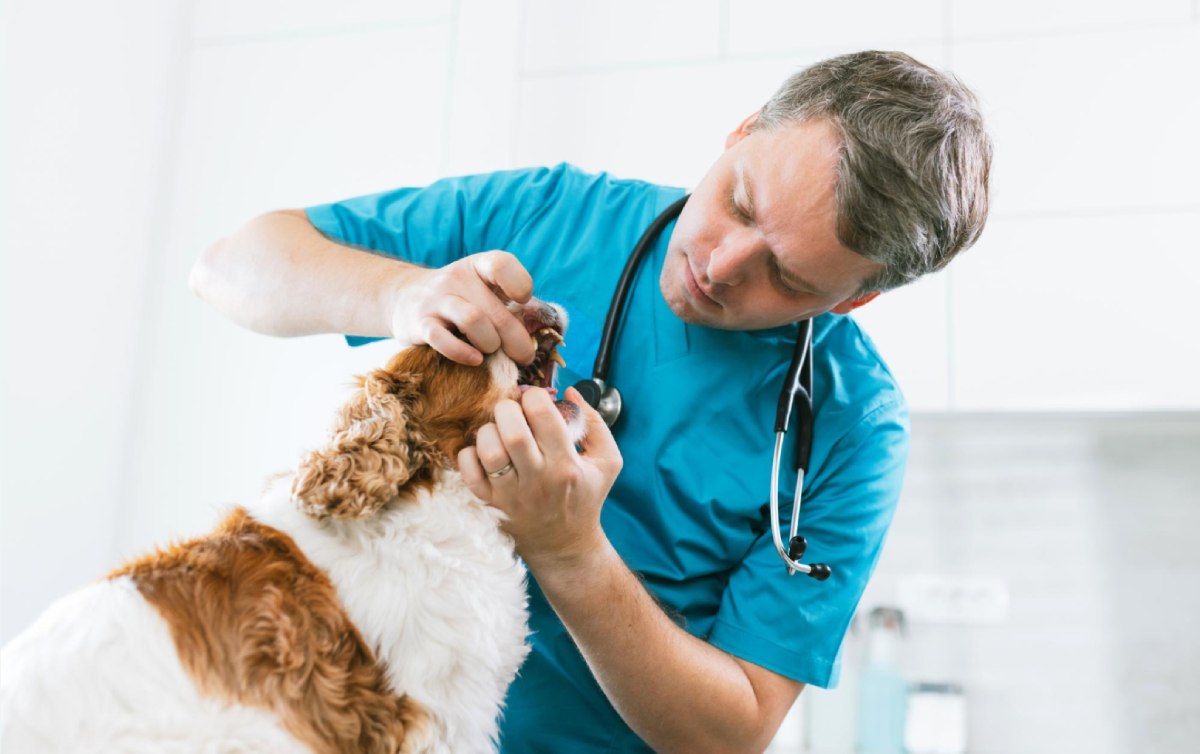
Your veterinarian is the best resource for your dog’s oral health. Routine checkups allow your vet to evaluate the mouth, note any changes, and recommend next steps based on your dog’s needs. If professional cleaning is recommended, your vet can explain what that process looks like and why it may be appropriate for your dog.
When to See a Vet
If you notice changes such as stronger mouth odor, irritated-looking gums, visible buildup on teeth, increased drooling, pawing at the face, dropping food, reduced appetite, or loose teeth, it’s a good time to check in with your veterinarian. Regular checkups are also helpful even when everything seems normal, since they support proactive dental care for dogs and help you build a plan that fits your dog’s routine.
FAQs
Is it ever too late to start brushing your dog's teeth?
It’s not too late to start a dental routine. Even if you’re starting later, consistent brushing can help support normal oral hygiene and maintain cleaner teeth over time. The best approach is to start gradually, keep sessions short, and make it positive. If you have questions about what’s appropriate for your dog, your veterinarian can recommend an approach based on your dog’s individual needs.
How do groomers clean dogs' teeth without?
Some groomers offer cosmetic tooth cleaning that focuses on removing visible buildup from the surface of the teeth. This is different from veterinary dental care, which is evaluated and performed by your veterinarian when needed. If you have concerns about your dog’s mouth or want a more complete assessment, a vet check is the best next step.
How do you keep tartar off dogs teeth?
A consistent brushing routine is one of the most effective ways to support clean teeth, because it helps remove the daily film that can build up on teeth before it hardens over time. Focus on gentle, regular brushing along the outer teeth and gumline. Even short sessions done consistently can support normal oral hygiene.
What can dogs eat to keep their teeth clean?
Some dental chews and vet-recommended dental diets are designed to support oral hygiene through chewing. If you want to add crunchy options, talk with your veterinarian first so choices fit your dog’s size, chewing style, and digestive needs. For safety and suitability, your vet is also the best person to advise on any bone-based chewing options.
Do carrots remove plaque from dogs' teeth?
If you’re wondering can dogs eat carrots raw, the answer is yes for many dogs. Crunchy raw carrots can provide a mild mechanical “scrub” on the surface of the teeth, which may help support normal oral hygiene as part of a routine. They’re best viewed as a supplemental option, not a replacement for brushing. If your dog has dental sensitivity, a history of digestive upset, or you’re unsure what size pieces are safest, your veterinarian can help you choose an approach that fits your dog.
What is the 333 rule for brushing teeth?
A simple 3-3-3 goal some pet parents use is brushing 3 times per week for 30 seconds, focusing on the 3 main areas you can reach comfortably. For many dogs, the most important target is the outer surfaces of the teeth near the gumline, since that’s where buildup often collects. Start small, stay consistent, and build up gradually as your dog gets more comfortable.
How can I get plaque off my dog's teeth without brushing?
If brushing isn’t realistic right now, you can still support normal oral hygiene with options like dental wipes, water additives, dental powders mixed into meals, vet-recommended dental diets, and appropriate dental chews. These tools can help manage day-to-day buildup and support cleaner teeth between brushing sessions, especially for dogs that are still learning to tolerate a toothbrush.
Does Feeding Your Dog Dry Food Help Keep Their Teeth Clean?
Standard dry kibble may provide a small amount of mechanical cleaning for some dogs, depending on how much they actually chew it. For more targeted support, your veterinarian can recommend dental diet options designed with specific kibble size and texture to encourage chewing and support normal oral hygiene as part of a consistent routine.
How to clean dogs teeth at home?
If you’re looking for how to clean dogs teeth at home, keep it simple and consistent. Use a dog toothbrush (or finger brush) with dog-specific toothpaste and brush along the outer teeth and gumline as often as your dog will comfortably allow. You can also support normal oral hygiene with dental chews, water additives, and dental wipes as part of a routine, especially on days when brushing is difficult.