

What Do Cats Hate? 16 Things Every Cat Owner Should Avoid
Cats are famously particular animals. Things that feel ordinary to us can be uncomfortable or overstimulating to them. While humans may enjoy a scented candle or a lively gathering, a cat’s heightened senses often register those same experiences very differently. Understanding what cats dislike is not just about avoiding negative reactions. It is an important part of creating a home environment that feels calm, predictable, and secure.
By identifying common triggers, from overpowering scents to unwanted handling, pet parents can better understand the answer to a familiar question: what do cats hate? This guide highlights some of the smells, sounds, and everyday experiences that cats tend to dislike most. By learning what cats hate most, including dirty litter boxes and abrupt changes in routine, you can make thoughtful adjustments that better support your cat’s comfort and overall well-being.
What Do Cats Hate the Most?

Pet parents often start asking, “What do cats hate?” when a cat’s behavior seems different than usual. In many cases, the reason may be tied to sensory overload, unwanted handling, unclean spaces, or sudden changes in the environment.
Some common things that cats hate and how they affect their daily life are:
-
Strong and unfamiliar smells: Cats are often sensitive to perfume, citrus, smoke, and harsh cleaning products. Strong odors can feel overwhelming in a space where they would otherwise prefer familiarity.
-
Loud and sudden noises: Vacuum cleaners, alarms, fireworks, and slamming doors can be unsettling, which is why many cats look for a quiet place to retreat.
-
Being picked up or held against their will: Many cats prefer to have a sense of choice when it comes to physical interaction and may be less comfortable with forced handling.
-
Dirty litter boxes: Poor litter box maintenance can make a space feel unappealing and may affect how comfortably a cat uses it.
-
Changes to their routine: Delayed meals, rearranged furniture, and abrupt schedule changes can make cats feel less settled in their environment.
-
Strangers and unexpected visitors: New people can feel intrusive, especially when a cat does not have access to a quiet place to retreat.
-
Direct, prolonged eye contact: A hard stare may feel more confrontational than friendly from a cat’s perspective.
-
Being ignored or under-stimulated: Cats benefit from play, interactive activity, and environmental enrichment that allow them to stay engaged.
-
Cold temperatures and wet fur: Damp fur can feel heavy and uncomfortable, which helps explain why many cats avoid getting wet.
-
Competition for resources in multi-cat homes: Shared bowls, beds, and litter boxes can create tension when cats do not have enough individual space or access.
-
Belly rubs: Many cats are protective of their belly because it is a sensitive and vulnerable area.
-
Travel and disrupted environments: Car rides, carriers, and unfamiliar surroundings can feel disruptive to cats that prefer consistency.
-
Laser pointers with no satisfying ending: Repeated chasing without a tangible end point may leave some cats feeling unsatisfied.
-
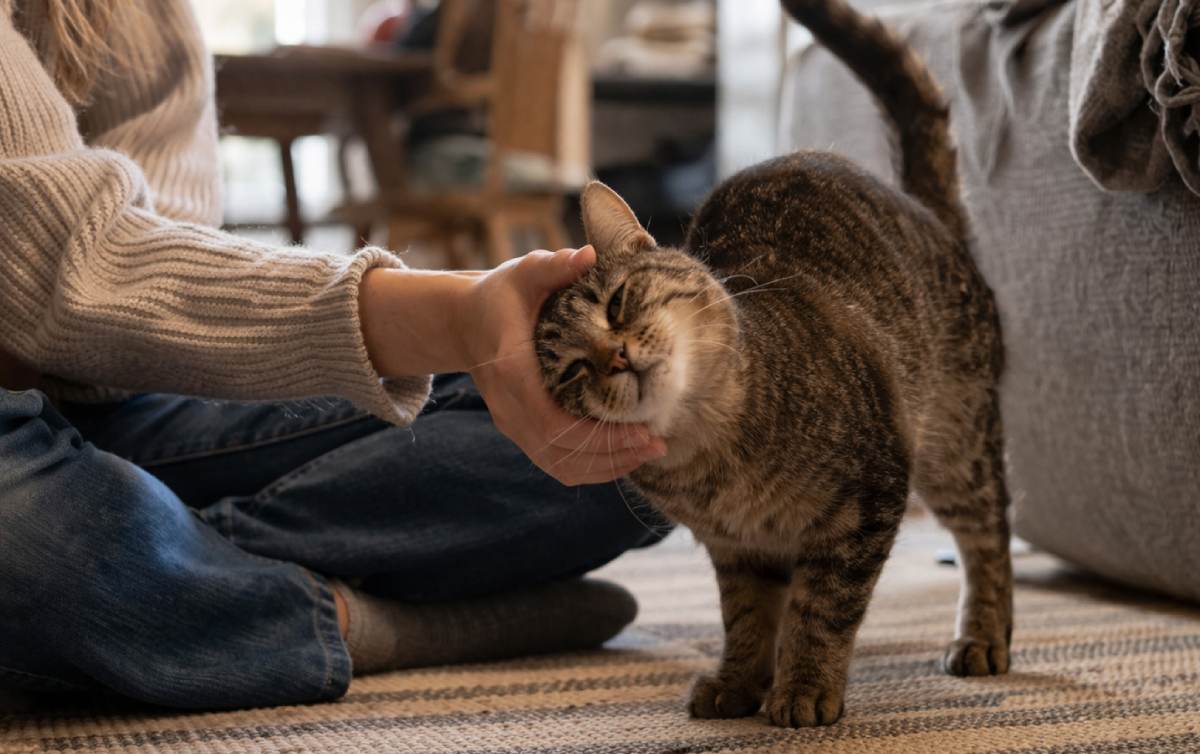
Rough or aggressive petting: Overly forceful handling can quickly make a cat uncomfortable and lead it to pull away, hide, or become defensive.
-
Being teased or startled deliberately: Repeated startling can affect a cat’s sense of trust and security.
-
Blowing air in their face: This can feel confusing and unpleasant for many cats.
When you have a clear idea of what cats hate, you can act fast and minimize these triggers before they escalate and cause more chaos.
Signs Your Cat Is Stressed or Unhappy
-
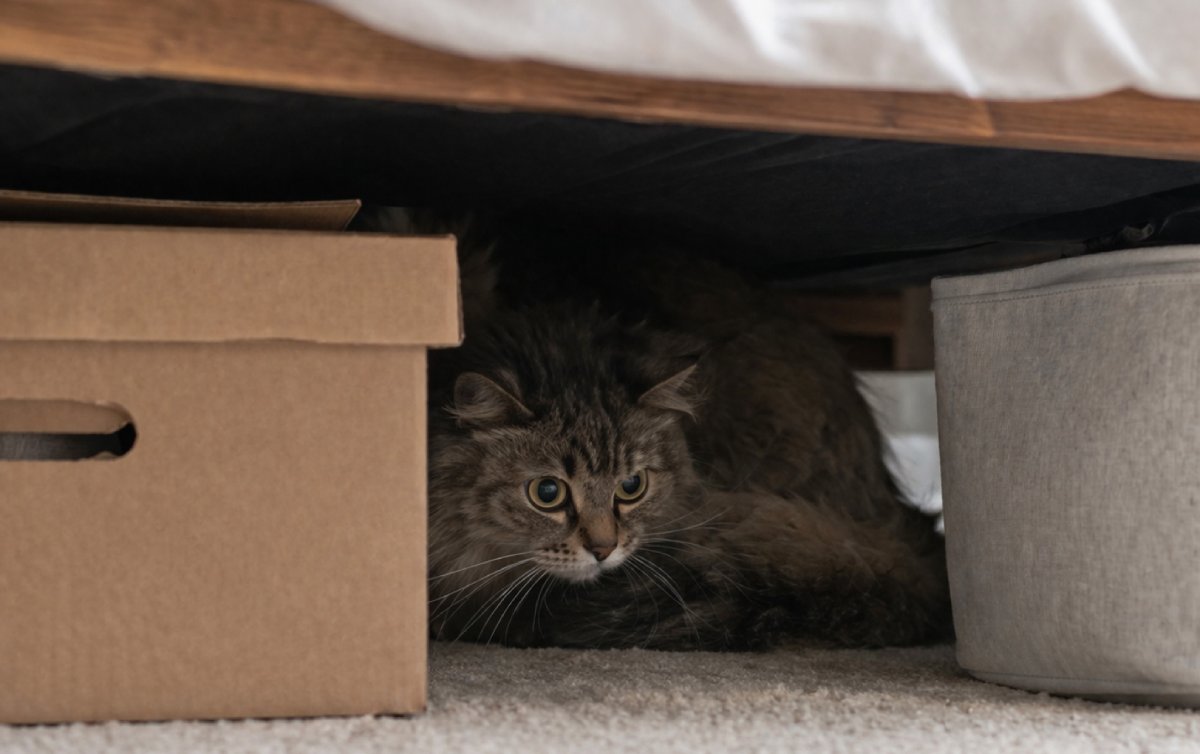
Hiding frequently: Repeated hiding can be a sign that your cat feels overwhelmed or less secure in its environment. When this happens often, it may be a sign that your cat needs more quiet space and predictability.
-
Aggressive behavior (hissing, scratching): Some cats respond to stress with more guarded or reactive behavior. These responses can happen when a cat feels uncomfortable, overstimulated, or unsure of its surroundings.
-
Loss of appetite: Eating less than usual can sometimes signal that something is off, whether environmental or health related. If it continues, it is worth paying close attention and speaking with your veterinarian.
-
Excessive grooming: Overgrooming may reflect discomfort or an attempt to self-soothe when a cat is feeling unsettled.
-
Avoiding interaction: A cat that is normally social may become more withdrawn when its environment feels too intense or unpredictable.
-
Litter box issues: Stress can sometimes show up in changes around litter box habits, including avoidance or accidents.
If you notice these patterns continuing or becoming more frequent, it is a good idea to check in with your veterinarian to help rule out underlying health concerns before assuming the cause is only behavioral.
How to Help Your Cat Stay Calm in Stressful Situations
What many cats tend to dislike most is feeling cornered, overstimulated, or caught off guard. Because of that, it often helps to reduce sudden triggers and give them space to move at their own pace. A steady, predictable routine can go a long way in helping cats feel more secure in their surroundings.
Here are a few steps to manage their stress:
-
Create a dedicated safe space: Give your cat access to a quiet room, cozy bed, perch, or covered hiding spot where it can retreat when it wants space.
-
Use synthetic pheromones: Some households find pheromone diffusers helpful during transitions, visitors, or other changes in the home.
-
Stick to routines during change: Predictable meals, playtime, and litter box care can help make the day feel more familiar and stable.
-
Use slow movement and soft voice: Calm body language can help your cat feel less overwhelmed when something unfamiliar is happening.
-
Give them control over social interactions: Let your cat approach on its own terms instead of forcing contact.
-
Add play before predictable disruptions: A short interactive play session before guests arrive or before travel may help your cat feel more engaged and settled.
-
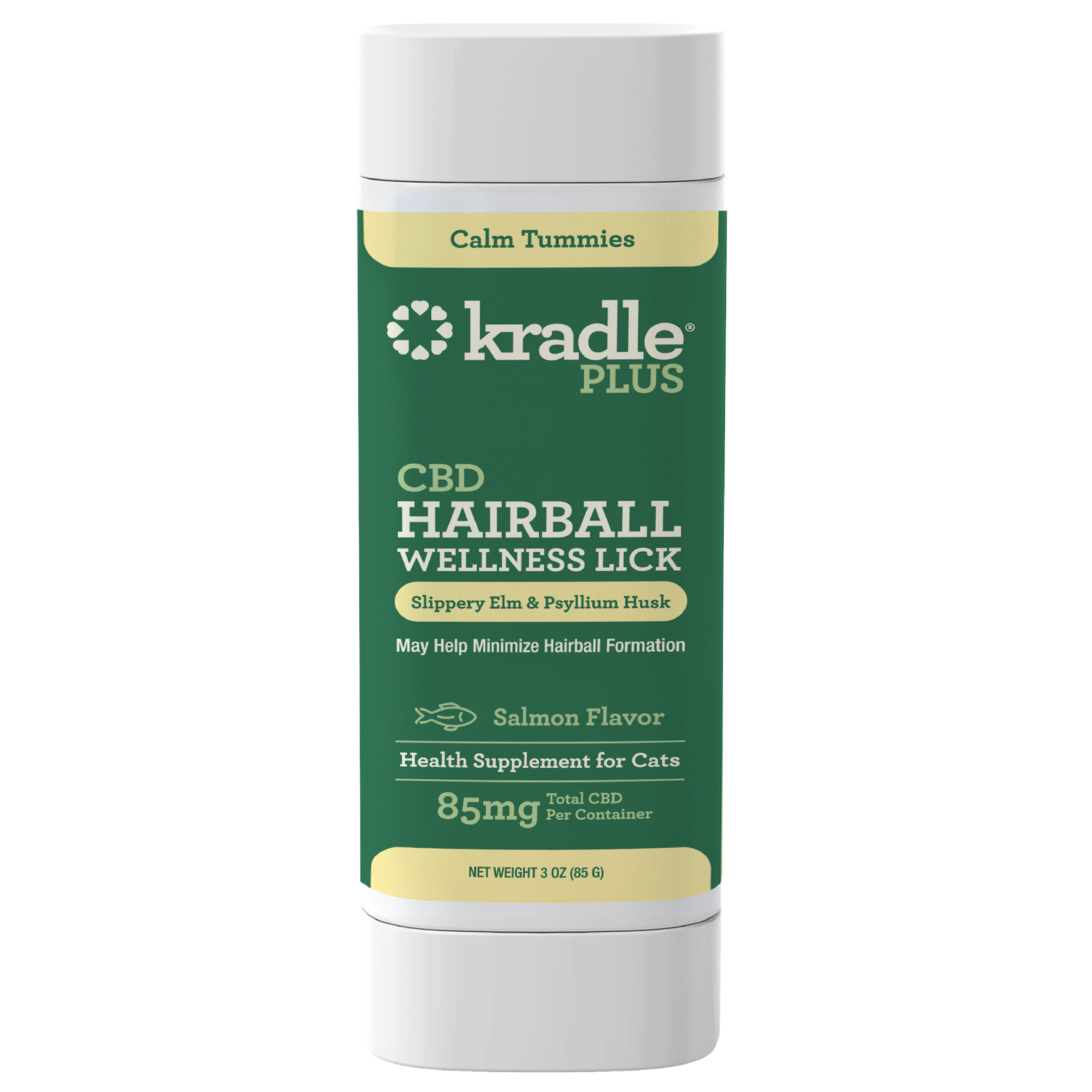
Consider a calming supplement as part of the routine: Some pet parents choose products like CBD oil for cats as part of a broader wellness routine to help maintain calmness and relaxation during everyday changes or environmental stressors.
-
Know when to consult your vet or a behaviorist: If changes in behavior continue or become more pronounced, your veterinarian can help rule out underlying health concerns and guide next steps.
Common Mistakes Cat Owners Make
Many cat owners unintentionally make daily life more overwhelming by moving too quickly or overlooking subtle signals. In many cases, what cats dislike most during social interaction is feeling rushed, cornered, or handled in a way that does not respect their comfort level.
These common missteps can create more tension than many people realize:
-
Forcing interaction: Holding, hugging, or cornering a cat can make it feel less secure and may gradually affect trust.
-
Ignoring stress signals: Flattened ears, tail flicking, hiding, or pulling away can all be important signs that a cat feels uncomfortable or overstimulated.
-
Sudden environmental changes: New furniture, unfamiliar scents, visitors, or other abrupt changes can unsettle a cat that prefers predictability.
-
Skipping playtime: Too little enrichment can leave cats under-engaged and may contribute to frustration or restless behavior.
-
Poor litter box maintenance: Cats are often very sensitive to cleanliness, and a litter box that feels dirty or unappealing can quickly become a source of discomfort.
At their core, most cats tend to do best in homes where their boundaries are respected, their essentials are kept clean and consistent, and their environment feels calm and predictable.
Conclusion
As a pet parent, understanding what cats dislike can make it easier to create a home environment that feels calmer, more comfortable, and more predictable for both of you. Small adjustments, such as managing strong scents, keeping litter areas clean, using gentler handling, and maintaining a steady routine, can go a long way in supporting your cat’s comfort and sense of security over time.
If you are looking for additional ways to support a calm and relaxed disposition, your veterinarian can help you decide whether carefully chosen CBD products for pets make sense as part of your cat’s daily wellness routine. This softer framing aligns better with NASC-allowable calming language such as helps maintain calmness, helps maintain a normal and relaxed disposition, supports normal emotional balance, and promotes relaxation.
FAQs
Why do cats dislike loud noises?
Cats are highly sensitive to sound, so sudden or intense noises can feel especially overwhelming. Things like alarms, storms, fireworks, or shouting may prompt a cat to retreat and look for a quieter space.
Do cats hate being picked up?
Many cats are less comfortable being picked up because it takes away some of their control over movement and space. Some may tolerate brief lifting, but many prefer interaction on their own terms.
What smells do cats dislike?
Cats are often sensitive to strong scents such as citrus, smoke, perfume, and harsh cleaning products. Because their sense of smell is so sharp, overpowering odors can make a space feel less comfortable.
Why do cats get stressed easily?
Cats often rely on routine, territory, and predictability to feel secure. Changes in sound, smell, visitors, or daily schedule can make them feel less settled, especially if those changes happen abruptly.
How can I calm my cat naturally?
Reducing triggers and keeping daily routines steady can help support a calmer environment. Quiet hiding places, gentle voices, interactive play, and predictable daily habits often make a meaningful difference.
Do cats hate changes in routine?
Many cats do. Predictability often helps them feel more secure, so consistency around feeding, playtime, and litter box care can be especially helpful.
Can boredom make cats aggressive?
Too little enrichment can leave some cats under-engaged and more easily frustrated. Regular play and environmental enrichment can give them a more appropriate outlet for energy and curiosity.
How can I make my home more cat-friendly?
Offer quiet hiding spots, vertical space, clean litter areas, and calm zones throughout the home. It also helps to let your cat approach people and interactions at its own pace.
Do cats hate water?
Many cats do, largely because wet fur can feel heavy, cold, and uncomfortable. That change in sensation can make movement feel less natural for them.
Do cats have a good sense of smell?
Yes. Cats have a very strong sense of smell, which is why things like perfume, smoke, dirty litter, and heavily fragranced cleaners can feel intense in their environment.
Is CBD safe for cats?
Pet-specific CBD products are commonly used as part of a cat’s wellness routine, but individual responses can vary. Choose a product formulated for pets, follow the recommended serving directions, and talk with your veterinarian if you have questions about whether CBD is appropriate for your cat.