


How to Get a Cat Like You: 12 Gentle Ways to Build Trust
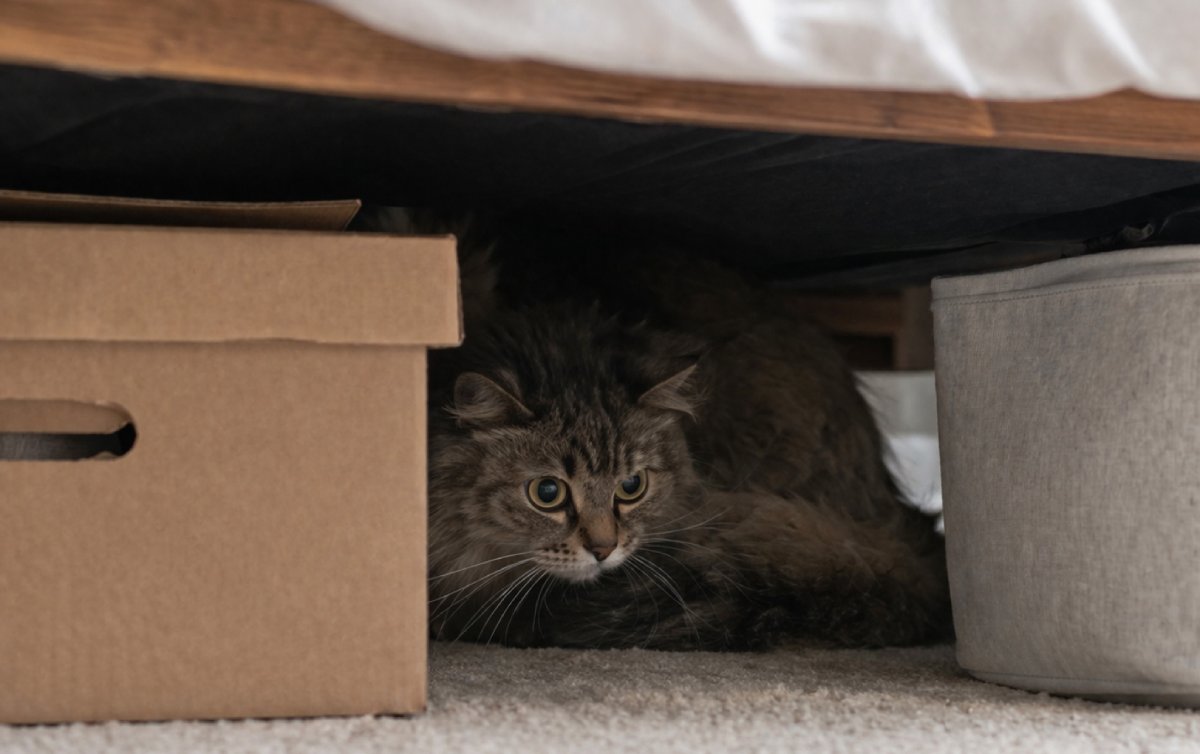
Cats are often described as aloof, but that reputation does not tell the full story. Most cats are not unfriendly; they are cautious, observant animals with strong instincts and a deep need to feel secure in their environment. When a cat seems distant, they are often choosing safety over uncertainty, not rejecting your affection.
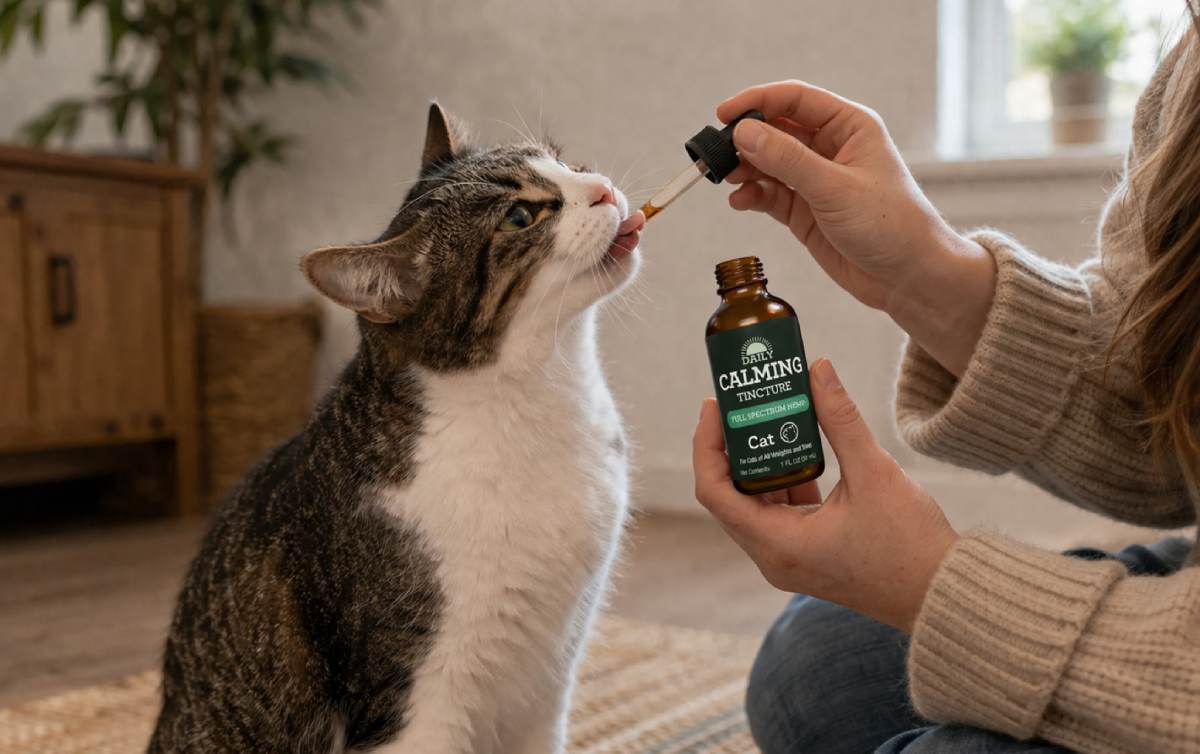
Building a genuine bond with a cat takes patience. Trust grows through gentle, consistent interactions, not forced attention, sudden handling, or pressure to cuddle. In this guide, we will walk through how to read cat body language, approach your cat respectfully, create positive play routines, shape a calm home environment, and better understand how to get a cat to like you in a way that feels natural to them. We will also touch on supportive wellness options, such as CBD cat oil, which may help support relaxation and help maintain normal emotional balance during moments of change or occasional stress.
First, Understand How Cats “Decide” They Like You
Cats do not form trust on a timeline we can control. Their approach to connection is deeply tied to instinct. As natural hunters and highly observant animals, cats tend to assess their surroundings before deciding whether to engage. This is why many cats prefer to approach a person on their own terms rather than be approached directly.
When a cat has control over the distance, pace, and timing of an interaction, they are more likely to feel secure. That sense of control matters. It helps them decide whether your presence feels predictable, calm, and safe enough to explore.
Small details in your body language can make a meaningful difference. Direct eye contact, sudden movements, loud voices, or stepping too close too quickly may feel intimidating to a cat. Softer eyes, slow movements, a quiet tone, and a relaxed posture can help create a more comfortable interaction. Even turning your body slightly to the side instead of facing a cat head-on can make your presence feel less intense.
Over time, cats learn through repetition. When you respect their signals, give them space when they ask for it, and respond with calm consistency, they begin to associate you with safety rather than pressure. That is the foundation of trust, and it is one of the most important things to understand when learning how to make a cat like you.
12 Ways To Make A Cat Like You

1. Let your cat make the first move
Cats usually feel more secure when they are allowed to choose when and how they approach. Instead of reaching for them right away, sit nearby, stay relaxed, and let them decide when they are ready to engage. Giving your cat that sense of control is one of the most important parts of learning how to make a cat like you in a way that feels natural and respectful.
2. Use the “cat handshake”: fingers, then head bump
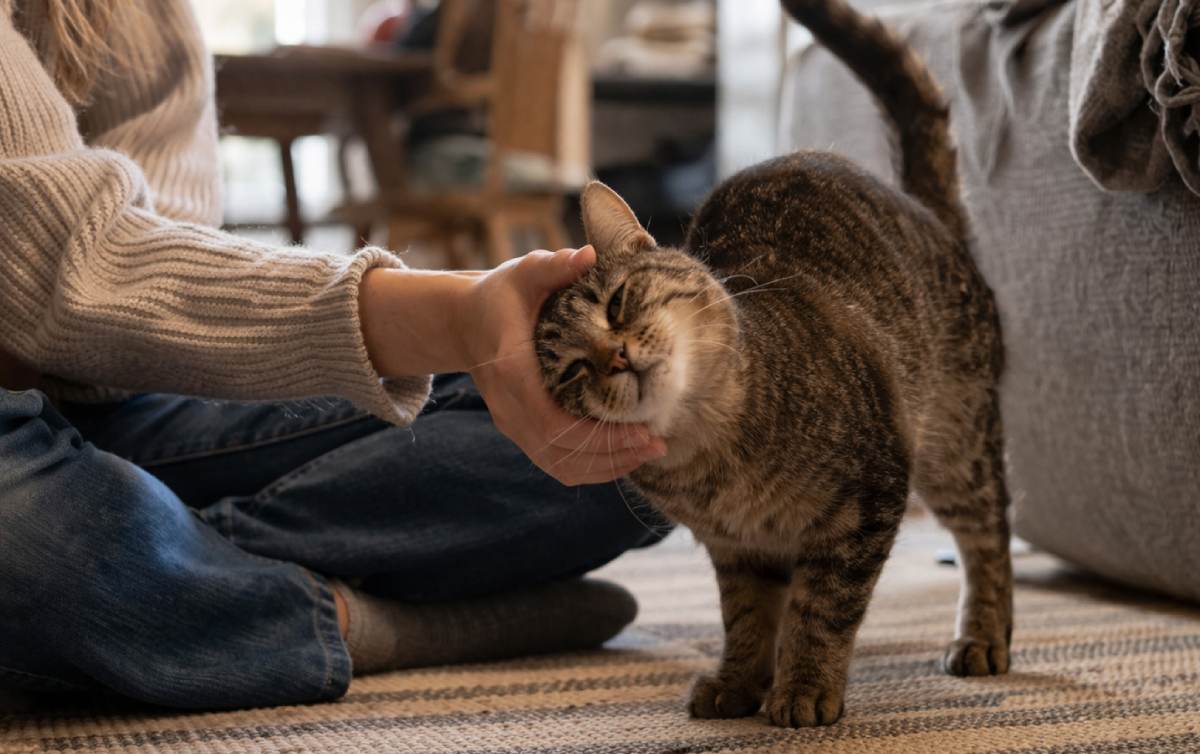
A gentle introduction can go a long way. Offer a relaxed finger or hand at your cat’s level and allow them to sniff you first. If they rub their cheek, forehead, or body against you, that is a positive sign they are comfortable continuing the interaction. Think of it as your cat’s way of gathering information before deciding to connect.
3. Learn basic cat body language
Understanding your cat’s body language helps you respond before they feel overwhelmed. Ears, tail position, posture, and facial tension can all offer clues about whether your cat feels curious, comfortable, uncertain, or overstimulated. When you learn to read these signals, you are better able to give them space, invite interaction appropriately, and understand how to get a cat to come to you without pressure.
4. Master the slow blink
The slow blink is often seen as a calm, non-threatening way to communicate with a cat. Try softening your eyes, blinking slowly, and then looking slightly away instead of staring. This small gesture can help show that you are relaxed and not trying to challenge them, which can make your presence feel safer over time.
5. Pet where most cats like it (and stop early)
Many cats prefer gentle touch around the cheeks, chin, and base of the ears, though every cat has their own preferences. Pay close attention to how your cat responds and stop before they become restless or overstimulated. Respecting those limits is a simple but meaningful way to learn how to show your cat you love them without pushing past their comfort zone.
6. Use treats and food to create positive associations
Food can be a helpful tool for building trust when used thoughtfully. Offering a favorite snack, feeding on a consistent schedule, or simply being present during mealtime can help your cat associate you with comfort and positive experiences. Keep it calm and predictable so your cat feels safe approaching at their own pace.
7. Play like prey: daily hunt-style games
Interactive play is one of the best ways to connect with a cat because it taps into their natural hunting instincts. Wand toys, feather teasers, and chase-style games let your cat stalk, pounce, and “catch” their target in a healthy way. Ending play with a small snack or meal can make the routine feel even more satisfying and complete.
8. Make grooming a bonding ritual (if they enjoy it)
For some cats, gentle brushing can become a comforting shared routine. Start with short sessions, use a soft brush, and stop if your cat walks away or shows signs of discomfort. When grooming is introduced slowly and respectfully, it can become a quiet way to build familiarity and learn how to bond with your cat through calm, positive touch.
9. Create a cat-friendly home they love hanging out in
Cats feel more confident when their environment gives them choices. Cozy resting spots, elevated perches, scratching surfaces, hiding places, and quiet corners all help create a space where your cat can feel secure. When their surroundings support their natural behaviors, they are more likely to relax, explore, and spend time near you.
10. Talk to your cat in a calm, consistent way
Your tone often matters more than the exact words you use. Speaking softly and consistently can help your cat recognize you as a steady, reassuring presence. Over time, that calm predictability can make a real difference when figuring out how to get a cat to like you and feel comfortable around you.
11. Be patient with shy or newly adopted cats
Some cats need more time to adjust, especially if they are newly adopted, naturally cautious, or settling into a new home. Avoid rushing introductions, forced holding, or constant attention. Let trust build through small, positive moments, like sitting nearby, offering food, playing gently, and respecting when they need space.
12. Support calm routines during stressful transitions
Changes like moving, travel, schedule shifts, new pets, or new people in the home can feel unsettling for cats. Keeping meals, playtime, litter box placement, and quiet rest areas as consistent as possible can help your cat maintain a sense of stability. During occasional stressful moments or routine changes, supportive wellness options may also help promote relaxation and help maintain normal emotional balance as part of a calm, predictable routine.
Where Calm Support Fits In
Some cats are naturally more cautious or sensitive than others, and that sensitivity can become more noticeable during periods of change. Moving to a new home, welcoming a new family member, adjusting to a different schedule, or introducing new pets can all make a cat feel less certain about their surroundings. In these moments, consistency, patience, and a calm environment can make a meaningful difference.
Alongside respectful handling, engaging enrichment, predictable routines, and plenty of time to adjust, some pet parents also explore gentle wellness options to support their cat’s daily routine. If you are researching topics like is CBD safe for cats or comparing hemp vs CBD oil for cats, it can help to focus on products made specifically for pets and to follow the serving guidance carefully.
CBD pet products, including CBD cat oil, are often used as part of a calm-support routine to help promote relaxation and help maintain normal emotional balance during occasional stress or routine changes. When introduced thoughtfully and used as directed, this type of support can complement the everyday steps you are already taking to help your cat feel secure, comfortable, and more at ease in their environment.
Signs Your Cat Is Starting To Like You
They choose to be near you
One of the earliest signs of trust is simple proximity. Your cat may sit nearby, rest in the same room, or quietly observe you from a comfortable distance. They may not want constant attention, but choosing to share space with you is a meaningful sign that they feel more secure in your presence.
Their body looks relaxed
A loose posture, softly positioned ears, relaxed whiskers, and a calm tail can all suggest your cat feels comfortable. When their body is not tense or guarded, it often means they are beginning to feel safe enough to let their guard down around you.
They give you slow blinks
A slow blink is a subtle but meaningful sign of ease. When your cat softly closes and opens their eyes in your direction, it can show that they do not see you as a threat. You can return the gesture by blinking slowly back and looking slightly away.
They follow you around
Some cats show affection by quietly trailing you from room to room. This does not always mean they want to be picked up or petted. Sometimes, it simply means they are curious, interested, and comfortable enough to stay close.
They initiate gentle contact
Head bumps, cheek rubs, light nuzzles, or brushing against your legs are all positive signs. Cats use scent to mark familiar people and places, so this kind of contact can be their way of saying you are part of their safe, known environment.
They settle comfortably near you
When your cat rests, stretches out, curls up nearby, or exposes their side while close to you, it shows they are becoming more comfortable. A relaxed cat is not just tolerating your presence; they are beginning to enjoy it.
Common Mistakes That Slow Down Bonding
Forcing interaction too soon
Trying to pick up, pet, hold, or cuddle your cat before they are ready can make them withdraw. Cats usually build trust more easily when they feel they have a choice. Letting them approach on their own terms helps create a stronger, more respectful connection.
Ignoring body language
A flicking tail, flattened ears, tense posture, skin twitching, or turning away can all be signs that your cat needs space. Paying attention to these cues helps prevent uncomfortable interactions and shows your cat that their signals matter.
Being too loud or unpredictable
Sudden movements, loud voices, and inconsistent behavior can make a cat feel unsure. A calm, steady presence is much more reassuring, especially for shy cats, newly adopted cats, or cats adjusting to a new environment.
Overhandling or petting too long
Even social cats can become overstimulated. If your cat starts shifting, tail flicking, looking back at your hand, or moving away, it is time to pause. Ending petting sessions before your cat gets uncomfortable helps keep touch positive.
Skipping play and enrichment
Cats need healthy outlets for their natural instincts. Without opportunities to stalk, chase, pounce, scratch, climb, and explore, they may become bored or restless. Daily interactive play and enrichment can help your cat feel more engaged and connected to you.
Changing routines too often
Cats tend to feel more secure when life is predictable. Frequent changes to feeding, playtime, rest areas, or litter box placement can make them feel less settled. Keeping daily routines consistent helps support a calmer environment and gives your cat a stronger sense of stability.
Conclusion
Learning how to get a cat to like you is less about winning them over quickly and more about creating the kind of environment where trust can grow naturally. Cats respond best to patience, consistency, and respect for their boundaries. When you let your cat set the pace, read their body language, and offer positive experiences through play, routine, gentle interaction, and a calm home environment, you show them that they are safe with you.
Over time, those small, thoughtful moments can build into something much deeper. What may begin as cautious observation can gradually become relaxed companionship, affectionate contact, and a lasting bond rooted in trust, comfort, and mutual respect.
FAQs
How to get a cat to like you quickly?
The best way to get a cat to like you is to move slowly, give them space, and let them approach you on their own terms. While you cannot rush trust, calm body language, soft eye contact, gentle play, and positive routines can help your cat feel more comfortable around you.
Is there a 3-3-3 rule for cats?
Yes. The 3-3-3 rule is a general guideline for helping newly adopted cats adjust. It suggests that a cat may take about three days to decompress, three weeks to settle into a routine, and three months to feel fully comfortable in their new home. Every cat is different, so some may need more or less time.
What annoys cats the most?
Cats are often bothered by loud noises, sudden movements, forced handling, direct staring, and having their boundaries ignored. Understanding these triggers is helpful when learning how to get a cat to like you because it allows you to create interactions that feel calm, respectful, and predictable.
What is "I love you" in cat language?
Cats often show affection through subtle behaviors rather than obvious displays. Slow blinking, gentle head bumps, cheek rubs, relaxed body language, following you from room to room, and choosing to rest near you can all be signs your cat feels safe and connected.
What is the 3:2:1 rule in cats?
The 3:2:1 rule is sometimes used as a simple reminder to keep cat interactions short, calm, and positive. It can mean offering a few brief moments of engagement, building in calm pauses, and ending the interaction on a positive note before your cat becomes overstimulated.
What should you not do around cats?
Avoid grabbing, chasing, staring directly, speaking loudly, or forcing attention when a cat is showing signs of discomfort. Respecting your cat’s space and body language helps build trust and makes future interactions more positive.