

Is Pumpkin a Probiotic for Dogs? Gut Health Guide
Pumpkin has built a strong reputation in the dog world for digestive support, but a common question still comes up: is pumpkin a probiotic for dogs? There’s an important difference.
Probiotics are live, beneficial microorganisms that help support normal digestive function. Pumpkin is not a probiotic because it does not provide live cultures. Instead, pumpkin contains dietary fiber that can act like a prebiotic, meaning it helps nourish the beneficial bacteria that already live in your dog’s digestive system.
So why do so many pet parents keep pumpkin on hand? It’s often used as a simple, routine-friendly way to support normal stool quality when a dog’s digestion seems a little off from everyday changes, like a shift in schedule or a new environment. Others use it during gradual diet transitions to help support digestive regularity as the bowl changes. Pumpkin is also a popular option when dogs simply seem to benefit from a little extra digestive support, since the fiber is easy to mix into meals and many dogs accept the taste.
Probiotic vs prebiotic
Probiotics
Probiotics are live, beneficial microorganisms. When provided in a well-made formula and used consistently, probiotics are intended to support normal digestive function by helping maintain a balanced gut environment.
Different probiotic strains can support different functions in the digestive system. Some are studied for how they help the body process nutrients, while others are researched for how they help maintain a healthy microbial balance. Research in this area continues to expand, which is why probiotics get so much attention in gut health conversations.
One important detail is that probiotics can be sensitive. Heat, moisture, and long storage conditions may affect how well live cultures hold up over time. That’s why quality markers matter, including clear labeling, thoughtful storage guidance, and products that explain how they support potency through shelf life.
Prebiotics
With prebiotics, it’s a different story. They’re typically dietary fibers that help support your dog’s gut environment by nourishing the beneficial bacteria already living there. They aren’t the same as natural probiotics for dogs because they don’t provide live cultures, but they still play an important role in supporting normal digestive function.
Prebiotic fibers move through the digestive tract and are used by the gut’s existing microbes. In simple terms, they help the “good” bacteria stay supported, which can contribute to a steadier digestive routine over time. While prebiotics don’t add new bacteria, they can help the current beneficial population stay resilient and balanced.
You can find prebiotic-type fibers in ingredients like pumpkin, chicory root, oats, and certain fruits. These ingredients aren’t meant to create an overnight change. With consistent use as part of a balanced diet, they can help support a healthy, more balanced gut from within
Why pumpkin helps the gut
Pumpkin isn’t just a seasonal favorite. In everyday dog nutrition, it’s often used as a simple way to support digestive wellness, especially when a dog’s routine changes or stool quality seems a little inconsistent. It’s an easy, routine-friendly ingredient that many pet parents can mix into meals without making feeding complicated.
So what makes pumpkin useful? Fiber, including both soluble and insoluble fiber. Soluble fiber helps hold onto water and forms a soft, gel-like texture in the digestive tract, which can support normal stool consistency.
Insoluble fiber supports normal movement through the digestive tract by adding gentle bulk, which helps keep things moving at a steady pace. Together, soluble and insoluble fiber help explain how does pumpkin help dogs maintain normal stool consistency, meaning not too loose and not too firm. As part of a balanced routine, pumpkin can provide simple, nutrition-based support for normal digestion.
Pumpkin naturally contains moisture, which can add a bit of hydration with each serving. For dogs that tend to drink less water, especially during travel or routine changes, that added moisture can support normal digestive comfort and help keep digestion moving smoothly as part of a consistent feeding routine.
A key benefit of pumpkin is how its fiber supports the gut microbiome. Certain fibers can function in a prebiotic-like way, helping nourish the beneficial bacteria that already live in your dog’s digestive tract. Supporting that microbial balance helps reinforce a stable internal environment, which is why digestive health is often discussed as a foundation of overall wellness. When the gut ecosystem is well supported, normal digestion and nutrient utilization tend to function more efficiently.
One clear takeaway when you ask, “what does pumpkin do for dogs,” is that its role is nutrition-based. Pumpkin supports normal digestion through its natural fiber and moisture content, which is why many pet parents use it as part of a steady routine, especially during schedule changes or diet transitions.
When choosing pumpkin, keep it simple. Pick plain pumpkin with no added sweeteners, spices, or flavorings, and follow appropriate serving guidance for your dog’s size and diet.
How to feed pumpkin safely (Forms + Portions)
Best Forms
The best form of pumpkin for dogs is simple and plain. 100% pure canned pumpkin is a popular option because it’s smooth, easy to portion, and requires no prep. Fresh pumpkin can work too, as long as it’s cooked and served plain. You can steam or roast it, then mash it for easy mixing. Skip added oils, salt, sweeteners, or spices.
Pumpkin powder is another convenient choice for pet parents who prefer shelf-stable options, as long as the ingredient list is straightforward. Avoid pumpkin pie filling, since it typically contains added sweeteners and spices that aren’t a good fit for a dog’s routine.
Portion Guidance
With pumpkin, smaller amounts are usually the best place to start. A common guideline is about 1 teaspoon per 10 pounds of body weight, but it doesn’t need to be treated as an exact formula. For example, a 60-pound dog may do well with 1 to 2 tablespoons, depending on their individual tolerance and overall diet.
Start low and mix it into meals, then observe how your dog does over the next day or two. Every dog digests fiber differently, so adjust gradually as needed while staying within reasonable portions. Too much pumpkin at once can be more than your dog’s system prefers, so consistency and moderation matter.
Avoid Overdoing It
Pumpkin can be a helpful addition to a routine, but more isn’t always better. Because it’s fiber-rich, serving too much at once can lead to digestive upset or looser stool, especially in dogs that are sensitive to dietary changes.
It’s also important to keep pumpkin as a small add-in, not a replacement for a complete and balanced diet. Large portions can take up space in the bowl and leave less room for the nutrients your dog is meant to get from their regular food. Moderation and consistency are the best approach.
Fresh Pumpkin Safety
Fresh pumpkin can be a good option for dogs as long as it’s prepared simply. Cook it until it’s soft and easy to mash, then serve it plain. For most dogs, it’s best to leave out the tough skin and the stringy pulp, since those parts can be harder to digest.
Avoid using any pumpkin that has been left out for long periods or used for decorating, such as carved pumpkins. If you have leftovers, store them in the refrigerator and use them within a short window, or freeze small portions so you can thaw and use them as needed.
When pumpkin may not be enough
Easy daily gut-support routine
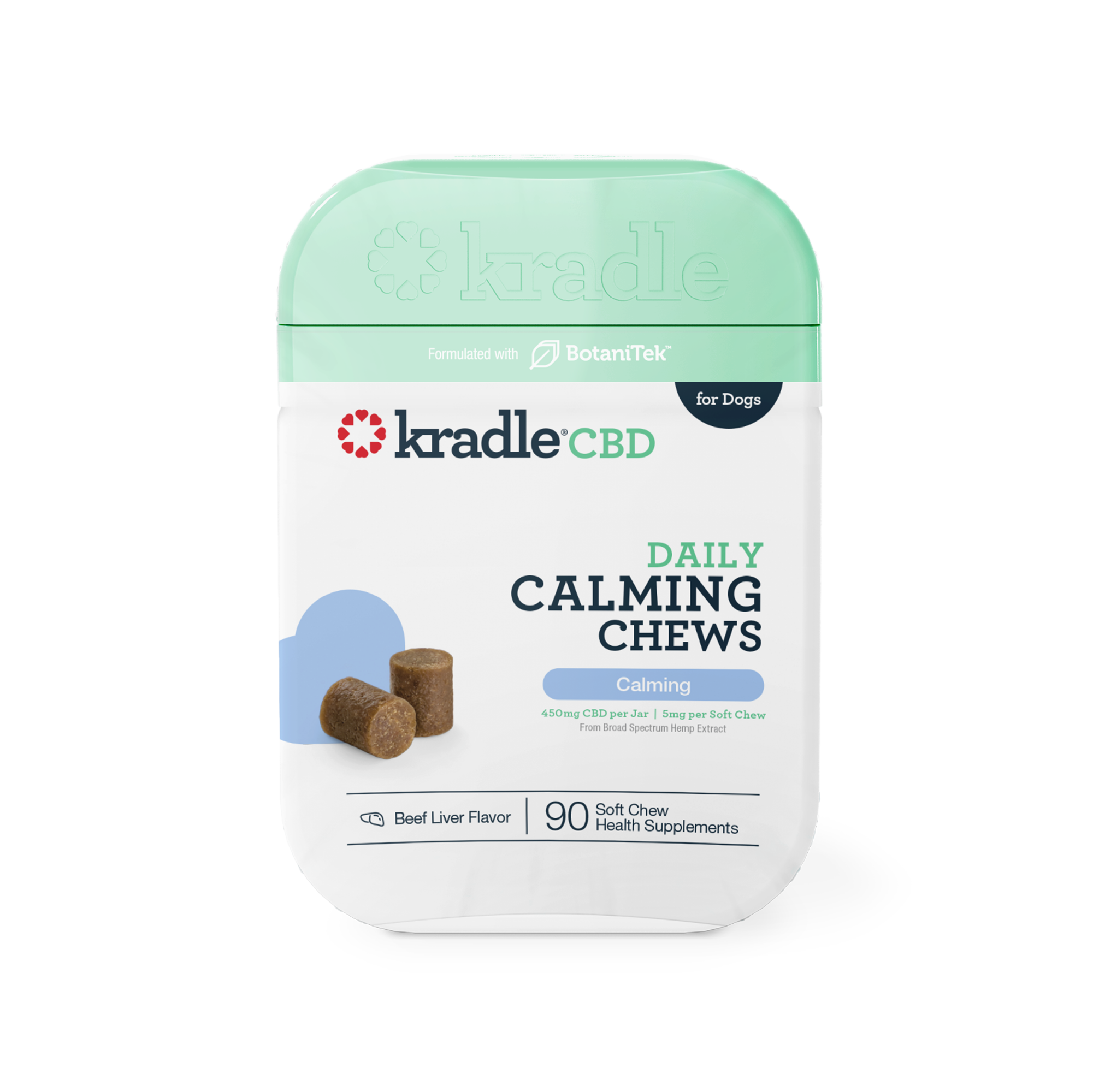
Sometimes a consistent routine needs more than fiber alone. Pumpkin can be a helpful add-in, but digestive wellness is best supported by daily basics like hydration, a steady diet, and routine-friendly supplements that support normal digestive function. If you’re looking for an easy option, CBD probiotic chews are formulated to support digestive balance and everyday wellness as part of a consistent routine.
FAQs
Is pumpkin a probiotic for dogs or a prebiotic?
One of the most common questions is, “is pumpkin a probiotic for dogs?” Pumpkin is not a probiotic because it does not provide live, beneficial bacteria. Instead, it contains dietary fiber that can act in a prebiotic-like way by helping support the beneficial bacteria already present in your dog’s digestive system.
How much pumpkin can I give my dog per day?
A common starting point is about 1 teaspoon per 10 pounds of body weight. Larger dogs may do well with 1 to 2 tablespoons, depending on their diet and tolerance. Start small, then adjust gradually as needed.
Can pumpkin cause diarrhea in dogs if I give too much?
Yes. Because pumpkin is fiber-rich, serving too much at once can lead to digestive upset or looser stool in some dogs. If you notice stool changes, reduce the amount and return to a smaller, more consistent serving.
Should I use pumpkin and a probiotic together?
They can be used together for routine support, since they play different roles. Probiotics provide live, beneficial microorganisms, while pumpkin offers fiber that can support the existing gut environment in a prebiotic-like way. Used consistently and in appropriate portions, this combination can support normal digestive function as part of a balanced routine. If your dog is already on supplements or you’re unsure what’s best for your dog’s needs, check with your veterinarian.
Why do vets recommend pumpkin for dogs?
Many veterinarians may suggest plain pumpkin because it’s a simple, food-based source of fiber that can support normal stool consistency and digestive regularity. It’s also easy to portion and mix into meals, which makes it practical for many pet parents.
Is it okay to give my dog pumpkin every day?
For many dogs, yes. The key is keeping it plain (no sweeteners or spices) and using an appropriate portion so it stays a small add-in to a complete and balanced diet. Many dogs do well with a modest daily amount, especially when it’s introduced gradually and used consistently.
What does pumpkin do for dogs?
If you’ve wondered, “what does pumpkin do for dogs?” pumpkin provides dietary fiber and natural moisture that can help support normal digestion and normal stool consistency as part of a balanced diet. Its fiber can also act in a prebiotic-like way by helping nourish the beneficial bacteria already present in your dog’s digestive system, which supports a healthy gut environment over time.