


Signs of Aging in Dogs: What Every Pet Parent Should Know
Your dog may not be able to tell you they are getting older, but their body, behavior, and daily habits can begin to change over time. Aging looks different for every dog, and factors like breed, size, activity level, and overall health can all play a role. In general, larger breeds tend to reach their senior years earlier than smaller breeds, so it is helpful to understand what is normal for your dog and what changes may need a closer look.
Recognizing the early signs of aging in dogs can help you adjust their routine, support their comfort, and know when to check in with your veterinarian. This guide walks through common physical and behavioral changes to watch for so you can better support your dog’s health, mobility, and overall well-being as they age.
Physical Signs of Aging in Dogs

The physical signs of an aging dog often appear gradually. Some changes are easy to notice, while others may be subtle at first. Paying attention to your dog’s normal movement, appetite, appearance, and energy levels can help you spot changes earlier.
One of the first visible signs is often graying around the muzzle and face. It may start as a few white hairs before spreading across the cheeks, eyebrows, or entire face, giving your dog a more senior look over time.
You may also notice your dog slowing down, moving more carefully, or being less eager to jump, climb stairs, or participate in longer play sessions. They may take more time getting up after rest or prefer shorter, gentler activity. These changes do not always mean something is wrong, but they are worth monitoring and discussing with your veterinarian if they become more noticeable.
Weight changes can also happen as dogs age. Some dogs gain weight as their activity level decreases, while others may lose weight even when their eating habits seem similar. Any unexplained or sudden weight change should be checked by a veterinarian.
Cloudy eyes, changes in vision, or hesitation in unfamiliar spaces can also become more noticeable with age. You might see your dog bump into objects, pause in dim lighting, or seem less confident navigating new areas.
Aging dogs may also lose muscle tone, especially around the back legs, hips, and shoulders. Their body may look less firm, and they may have less strength or stamina during everyday movement.
New lumps or bumps can appear on or under the skin as dogs get older. Many are not serious, but it is always best to have new growths checked by your veterinarian so they can determine what they are and whether they need monitoring.
Dental changes are also common in senior dogs. Bad breath, tartar buildup, chewing on one side, dropping food, or seeming less interested in harder foods may point to oral discomfort or dental changes. Regular dental care and veterinary checkups can help support your dog’s comfort and overall wellness as they age.
Behavioral & Mental Signs of Aging in Dogs

As dogs get older, changes in behavior, mood, and daily patterns can become just as noticeable as physical changes. Some senior dogs may seem more restless, less confident, more vocal, or more sensitive to changes in their environment. These shifts can happen gradually, which is why it helps to pay close attention to your dog’s normal routine and personality.
In some dogs, changes in memory, awareness, sleep patterns, or orientation may be connected to age-related cognitive changes. If your dog seems confused, paces at night, gets stuck in familiar spaces, or has a sudden change in behavior, it is best to check in with your veterinarian so they can help determine what may be going on and recommend the right next steps.
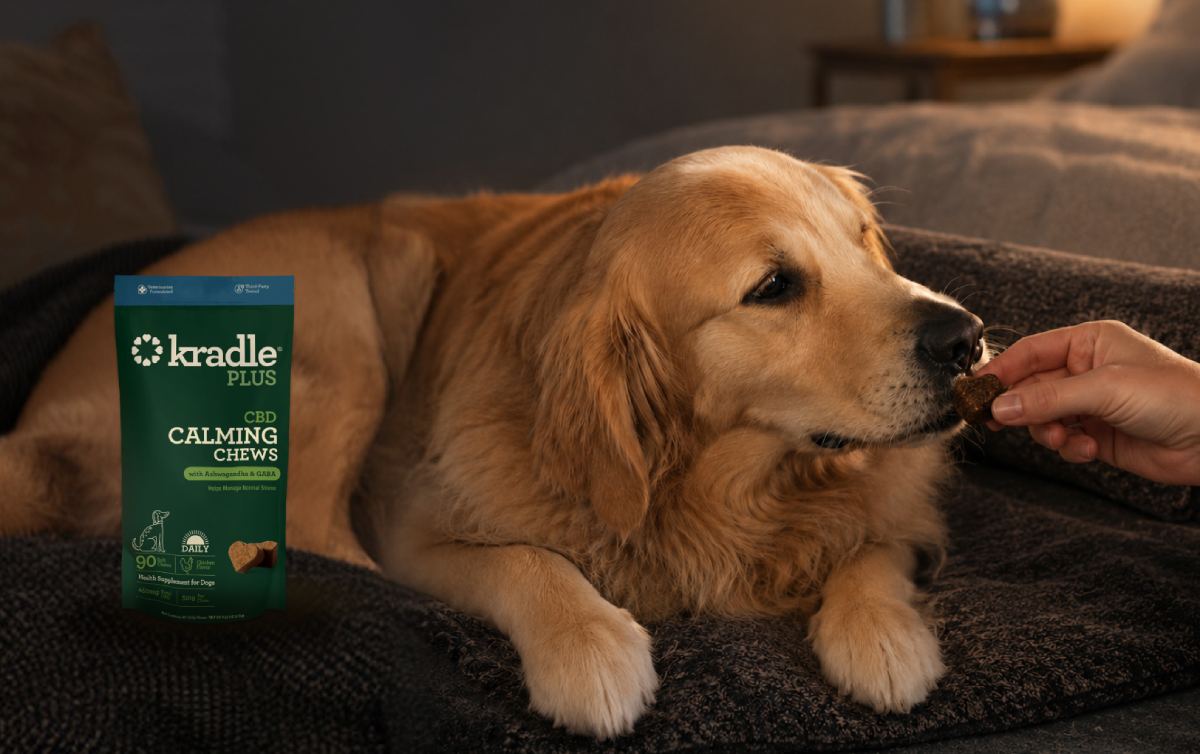
One common change pet parents notice is restlessness at night or a shift in the sleep-wake cycle. Your dog may pace, wake more often, vocalize, or seem unsettled after dark. A consistent evening routine, a comfortable sleep space, gentle activity earlier in the day, and a calm home environment can all help support a smoother nighttime transition. For dogs who need extra evening support, Nighttime Calming Chews may help promote relaxation and support normal cognitive function as part of a steady bedtime routine.
Increased clinginess or aging dog anxiety can also become more noticeable in senior dogs. A dog who once seemed independent may begin following you from room to room, seeking more reassurance, or seeming less comfortable when left alone. These changes can reflect a shift in their confidence, routine needs, or overall sense of security as they age.
Confusion or disorientation in familiar spaces may also develop over time. Your dog might pause in doorways, get stuck in corners, wander into a room and seem unsure why they are there, or appear less confident in places they once knew well. These signs are worth discussing with your veterinarian, especially if they appear suddenly or become more frequent.
A reduced interest in play, walks, or favorite activities can point to both physical and behavioral changes. Some senior dogs may have less stamina, while others may feel less engaged with routines they used to enjoy. Paying attention to these shifts can help you adjust your dog’s daily routine with gentler activity, more predictable structure, and support that fits their changing needs.
Irritability or sudden aggression can sometimes appear in senior dogs, even if they have always been gentle or easygoing. This change is often a sign that something has shifted, whether it is discomfort, reduced confidence, changes in vision or hearing, or age-related confusion. Because sudden behavior changes can have several causes, it is important to check in with your veterinarian instead of assuming your dog is simply “acting out.”
Indoor accidents can also happen in older dogs, even when they have been house-trained for years. This may be related to changes in routine, mobility, confusion, or difficulty communicating that they need to go outside. Rather than viewing it as a training setback, treat it as a sign that your senior dog may need extra support, more frequent potty breaks, or a veterinary check to better understand what is happening.
Health Changes That May Need Vet Attention
While some changes can be part of the aging process, certain dog old age symptoms are worth bringing to your veterinarian’s attention. Sudden weight changes, a noticeable loss of appetite, ongoing vomiting or diarrhea, increased drinking or urination, coughing, changes in breathing, unusual tiredness, new or changing lumps, limping, or reluctance to move should not be ignored. These signs do not always mean something serious is happening, but they can be your dog’s way of showing that something feels different. A veterinary checkup can help you better understand what is going on and decide the best next steps for your senior dog’s comfort and care.
What Affects How Quickly Dogs Show Aging Signs

Not all dogs age at the same pace, and several factors can influence when the signs of aging in dogs begin to appear. Breed size is one of the biggest factors, since larger dogs often enter their senior years earlier, while smaller breeds may stay active well into later life. Genetics and health history can also shape the aging process, especially for dogs that may be predisposed to certain body, skin, joint, or mobility changes. Lifestyle matters, too. Regular movement, mental enrichment, a steady routine, and daily engagement can help support physical strength and normal cognitive function as dogs grow older. Diet and weight management are also important, since balanced nutrition and a healthy body condition can help support overall wellness, while extra weight may place added strain on the body. Because age-related changes can build gradually, regular observation, consistent care, and routine veterinary checkups can help you better support your dog’s comfort and quality of life over time.
How to Support a Dog Showing Signs of Aging
As your dog grows older, small adjustments to their daily routine can make a meaningful difference in their comfort, confidence, and overall quality of life. Routine veterinary checkups are a good place to start, since they help you monitor changes and better understand what your dog may need at each stage of aging. Gentle, low-impact movement, such as shorter walks, controlled play, or swimming when appropriate, can also help support healthy activity without placing unnecessary strain on the body, especially for dogs experiencing dog mobility issues. A balanced, senior-friendly diet can help support energy, body function, and healthy weight management, while a soft, supportive sleeping space gives your dog a comfortable place to rest.
Mental enrichment is just as important as physical activity. Simple games, interactive toys, scent work, and gentle training can help support normal cognitive function and keep your dog engaged. Maintaining a consistent routine for meals, walks, rest, and bedtime can also provide a sense of security, which is an important part of knowing what to expect with an aging dog. Together, these daily habits can help your senior dog feel more comfortable, supported, and settled as their needs change over time.
Natural Supplements That May Support Senior Dog Wellness
One common concern in senior dog care is increased restlessness at night, such as pacing, panting, or having a harder time settling down. For dogs experiencing changes in their normal evening routine or sleep-wake pattern, creating a calm, consistent wind-down routine can make a meaningful difference. Kradle Plus CBD Nighttime Calming Chews may help maintain a normal sleep-wake rhythm and support a relaxed disposition at night, making them a helpful option for senior dogs who need extra nighttime calming support and a steadier evening routine.
Formulated with ingredients like CBD, melatonin, L-theanine, chamomile, and ashwagandha, these chews are designed to help support calm behavior as the day winds down. When used as part of a broader wellness routine, they can complement consistent habits, a comfortable sleep space, gentle evening activity, and a calm home environment.
Conclusion
The signs of aging in dogs often start as small changes that are easy to overlook. Your dog may move a little slower, rest more often, become more sensitive to routine changes, or need extra support at certain times of day. Paying attention to these shifts can help you better understand what your dog needs as they move into their senior years.
With regular veterinary care, gentle daily movement, a balanced routine, mental enrichment, and a comfortable home environment, you can help support your dog’s changing needs with confidence. Aging is a natural part of your dog’s life, but thoughtful care can make their senior years feel more comfortable, steady, and supported.
FAQs
What are the first signs of aging in dogs?
The first signs of aging in dogs often include graying around the muzzle, slower movement, longer rest periods, changes in appetite, and subtle shifts in behavior. These changes usually appear gradually, which is why it helps to pay attention to what is normal for your dog.
At what age do dogs start showing signs of aging?
Dogs begin showing signs of aging at different ages depending on their size, breed, genetics, and overall health. Larger breeds may show senior changes around 6 to 7 years old, while smaller breeds may not show noticeable signs until closer to 8 to 10 years old or later.
Why is my old dog sleeping so much?
Older dogs often sleep more because their energy levels, activity needs, and daily recovery patterns can change with age. This helps explain why do older dogs sleep more, since senior dogs may need additional rest between activity, play, meals, and normal daily routines.
Do dogs get confused when they age?
Yes, some senior dogs may become more confused as they age. They may seem unsure in familiar spaces, forget routines, pace at night, or act differently than usual. If confusion appears suddenly or becomes more frequent, it is best to check in with your veterinarian.
Can senior dogs still stay active?
Yes, many senior dogs can still stay active with the right routine. Short walks, gentle play, swimming when appropriate, and low-impact movement can help support muscle tone, mobility, and mental engagement. For dogs with dog mobility issues, activity should be adjusted to their comfort level and guided by your veterinarian.
Do all dogs get gray hair as they age?
Many dogs develop gray or white hair around the muzzle and face as they age, but not all dogs gray at the same pace. Breed, coat color, genetics, and individual aging patterns can all affect when and how much graying appears.
When do dogs become seniors?
When do dogs become seniors? The answer depends mostly on size and breed. Larger dogs are often considered seniors around 6 to 7 years old, while smaller dogs may not be considered seniors until closer to 10 to 12 years old.
Why do older dogs sleep more?
If you are wondering do dogs sleep more as they get older, the answer is often yes. Senior dogs may need more rest because their bodies recover more slowly, their activity levels change, and daily movement can require more energy than it once did. More sleep can be normal, but sudden changes in sleep patterns should be discussed with your veterinarian.