

How to Stop a Cat from Spraying: 10 Expert Tips
Cat spraying, also known as urine marking, can be frustrating for pet parents, but it is a fairly common feline behavior. Spraying is different from regular litter box avoidance. Instead of urinating on a flat surface, a cat typically stands upright, lifts their tail, and releases a small amount of urine onto a vertical surface, such as a wall, piece of furniture, or doorframe.
If you are trying to understand how to stop a cat from spraying, the first step is figuring out what may be causing the behavior. Cats may spray for several reasons, including territorial communication, changes in their environment, tension with other pets, mating-related instincts, or stress from disruptions in their routine. Because urinary changes can also be connected to underlying health concerns, it is always best to consult your veterinarian first before making changes at home. Every cat is different, and there is no one-size-fits-all solution.
This guide will walk through the difference between cat spraying and litter box issues, common reasons behind the behavior, and gentle, practical ways to help support a calmer, more consistent environment for your cat.
What Is Cat Spray?
Cat spray is a form of urine marking that cats use to communicate through scent. Unlike regular urination, which usually happens while a cat is squatting, spraying typically happens while the cat is standing with their tail raised. The urine is often directed backward onto a vertical surface.
Understanding why do cats spray is important because the behavior is not usually about “bad manners” or spite. In many cases, spraying is a response to something your cat is trying to communicate, such as feeling unsettled, marking territory, reacting to another animal, or adjusting to a change in their surroundings. By identifying the possible trigger, you can take more thoughtful steps toward managing the behavior and helping your cat feel more secure.
What Does Cat Spray Smell Like?
Cat spray usually has a strong, sharp odor that can smell more intense than regular urine. Because spraying is a form of scent communication, the urine may contain chemical signals that make the smell linger, especially on porous surfaces like fabric, carpet, wood, or upholstery.
You may notice cat spray near doors, windows, furniture, walls, or other vertical surfaces. These areas are common marking spots because they often connect to territory, routine pathways, or places where your cat may see or smell outdoor animals. Identifying where the smell is strongest can help you better understand what may be triggering the behavior and where to focus your cleanup and prevention efforts.
Cat Spray Vs. Urine
Understanding cat spraying vs. peeing helps you figure out whether your cat may be urine marking or avoiding the litter box. When cats pee, they usually squat and leave a larger puddle on a horizontal surface. When cats spray, they typically stand, lift their tail, and release a smaller amount of urine onto a vertical surface like a wall, door, or furniture. Knowing the difference can help you choose the right next step, from checking litter box setup to identifying possible stressors or territorial triggers.
How To Stop a Cat From Spraying

To understand how to stop a cat from spraying, start by identifying what may be triggering the behavior. Spraying is often connected to territory, household changes, nearby outdoor cats, or tension between pets. And if you are wondering do female cats spray, the answer is yes. Although spraying is more commonly associated with male cats, female cats can also spray when they feel unsettled, insecure, or driven to mark their space. A vet check is always the best first step, followed by calm, consistent changes that help your cat feel more secure at home.
Rule Out Medical Causes (Always Start Here)
Before assuming spraying is purely behavioral, it is important to check in with your veterinarian. Sudden changes in urination habits, including spraying or going outside the litter box, can sometimes be connected to health-related discomfort or age-related changes. Your vet can help determine whether a physical issue may be contributing and recommend the appropriate next steps.
Spay Or Neuter (Hormone-Driven Spraying)
Spaying or neutering can help with spraying that is tied to mating behavior or hormone-driven marking, especially in intact cats. It is often most effective when done before these habits become established, but adult cats may still benefit. Your veterinarian can help you decide the best timing and next steps based on your cat’s age, health, and history.
That said, spaying or neutering may not fully resolve spraying if the behavior is connected to stress, territory, outdoor cats, or tension in the home. And if you are wondering do neutered cats spray, the answer is yes, they can. Neutered cats may still spray when they feel unsettled or when something in their environment is triggering the need to mark. For the best results, spaying or neutering should be paired with thoughtful changes that help your cat feel more secure.
Thoroughly Clean Sprayed Areas
Cats are more likely to return to areas that still carry a urine scent, so cleaning marked spots thoroughly is an important step. Use an enzymatic cleaner made for pet urine, since these formulas are designed to break down odor-causing compounds instead of simply masking the smell. Avoid ammonia-based cleaners, which may smell similar to urine and make the area more appealing to mark again.
Here’s a simple cleaning routine:
-
Blot fresh spray with paper towels before applying cleaner.
-
Apply the enzymatic cleaner and follow the product’s contact-time instructions.
-
Avoid steam cleaning fabric or carpet, since heat may set the odor.
-
Use a UV blacklight to check for hidden spots.
-
Repeat as needed until the scent is fully removed.
Removing lingering scent cues can help make previously marked areas less familiar and reduce the likelihood that your cat returns to the same spot.
Reduce Stress And Territory Triggers
Spraying is often connected to changes in territory, routine, or social dynamics, so reducing potential triggers can make a meaningful difference. If outdoor cats or neighborhood animals seem to be part of the issue, consider using frosted window film, closing blinds at certain times, or rearranging furniture to limit direct sightlines near windows and doors.
In multi-cat homes, make sure each cat has enough space and resources to feel secure. Separate feeding areas, water bowls, resting spots, scratching surfaces, and litter boxes can help reduce competition. A helpful guideline is one litter box per cat, plus one extra, placed in different areas of the home. Vertical spaces, such as cat trees, shelves, or window perches, can also give cats more control over their environment.
Calming tools like synthetic pheromone diffusers may also support a more reassuring environment, especially near entry points or areas where spraying happens. Pair these changes with daily play, scratching posts, predictable routines, and a clean, accessible litter box setup to help your cat feel more settled at home.
Support Calm Routines During Transitions
Spraying may become more noticeable during changes such as moving, schedule shifts, visitors, new pets, or adjustments in the household. During these transitions, consistent routines can help cats feel more secure. Keeping feeding times, play sessions, litter box cleaning, and quiet rest areas predictable gives your cat a stronger sense of stability.
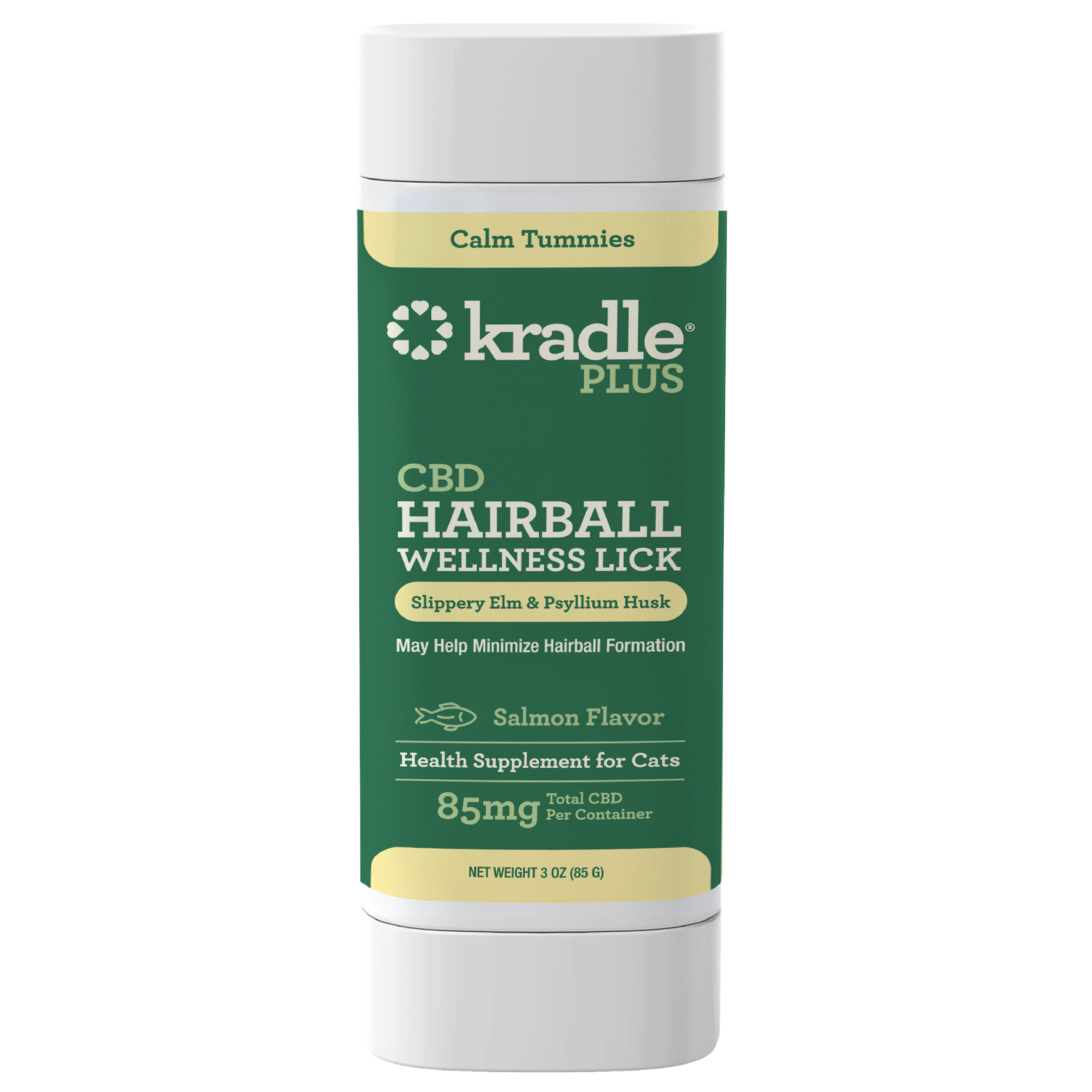
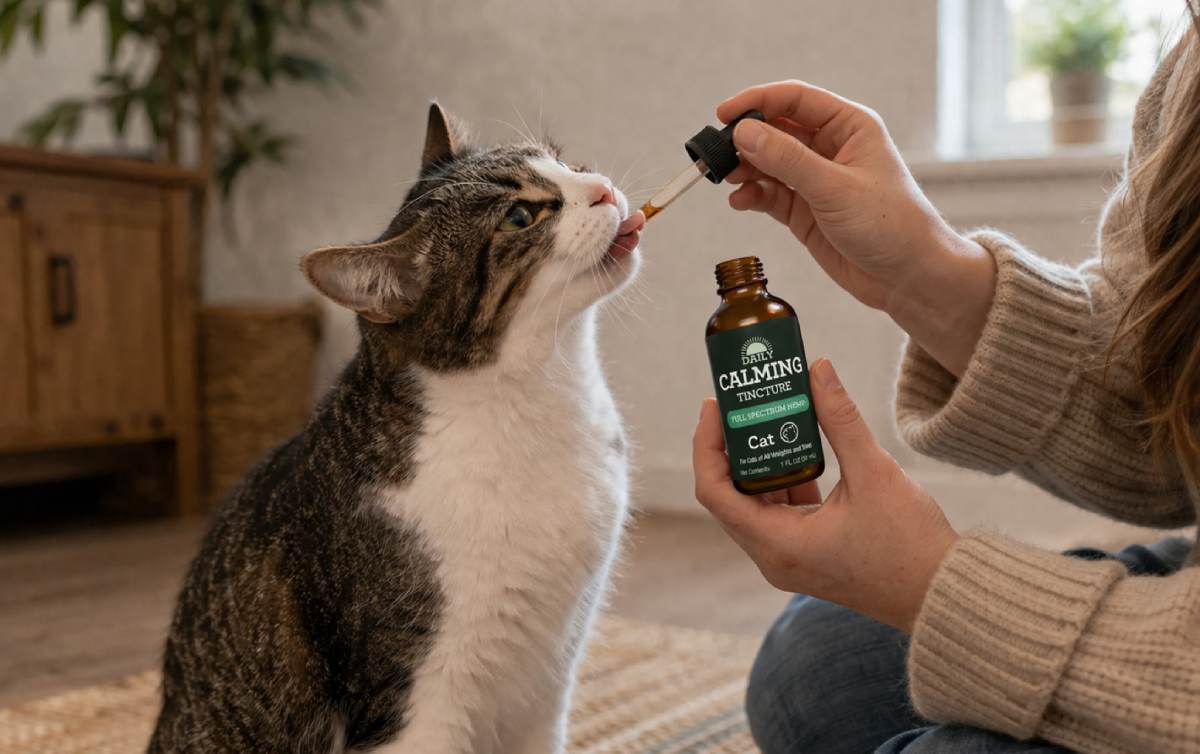
Enrichment can also play an important role. Toys, scratching posts, climbing spaces, and window perches give cats healthy outlets for energy, curiosity, and natural behaviors. Alongside these daily habits, some pet parents explore wellness options like a CBD tincture for cats as part of a routine that helps support calm behavior and normal emotional balance during occasional stress. When learning about hemp vs CBD oil for cats, look for pet-specific products with clear serving guidance and third-party testing for purity and quality.
When Spraying Persists
If spraying continues after several weeks of consistent changes, it may be time to bring in extra support. Your veterinarian can help rule out health-related concerns and may recommend working with a veterinary behaviorist for more targeted guidance. This can be especially helpful when spraying appears tied to ongoing stress, multi-cat tension, or major household changes.
You can also continue refining your home setup while working with your vet:
-
Improve litter box appeal by testing different box sizes, locations, litter types, and litter depth.
-
Support multi-cat harmony with separate feeding areas, water stations, resting spots, and litter boxes.
-
Introduce new pets slowly using scent swaps and gradual, supervised interactions.
-
Temporarily limit access to frequently marked areas while you clean thoroughly and address likely triggers.
These additional steps can help reduce environmental pressure points while you build a more complete plan for helping your cat feel secure at home.
How to Remove Cat Spray Smell
Knowing how to get rid of cat spray smell starts with removing the scent cues that may draw your cat back to the same spot. Enzymatic cleaners are usually the best option because they are designed to break down urine odors rather than simply cover them up.
Follow these simple cleaning tips:
-
Apply an enzymatic cleaner to hard surfaces and allow the area to air dry fully.
-
Use an enzyme-based laundry additive for machine-washable rugs, blankets, or soft furnishings.
-
Keep the room well ventilated after cleaning so the area can dry properly.
Thorough cleaning helps keep your home fresher while making previously marked areas less recognizable to your cat.
Signs Your Spraying Plan Is Working
A spraying plan often takes time, but small changes can show that you are moving in the right direction. You may notice fewer marking incidents, more consistent litter box use, and a calmer overall routine. Your cat may also seem more relaxed, with softer body language, slow blinks, an upright tail, or affectionate rubbing.
If you are not seeing improvement after a few weeks, or if the behavior suddenly gets worse, check back in with your veterinarian. Continuing to clean marked areas properly and understanding how to get rid of cat spray smell can help support steady progress while you work on the larger environmental or behavioral triggers.
Conclusion
Learning how to stop a cat from spraying starts with understanding that the behavior is usually a form of communication, not defiance. A veterinary check is the best first step, especially when spraying appears suddenly or comes with other changes in your cat’s habits. From there, a thoughtful plan can help address the most common triggers, including lingering scent cues, litter box concerns, household stress, territorial tension, or changes in routine.
With consistent cleaning, a more cat-friendly environment, predictable daily habits, and patience, many cats can begin to feel more secure in their space. The goal is not just to stop the spraying, but to better understand what your cat may be responding to and create a home environment that supports their comfort, confidence, and overall well-being.
FAQs
Why is my spayed/neutered cat spraying?
Spayed and neutered cats can still spray when something in their environment feels unsettling. Hormone-driven marking may decrease after spaying or neutering, but cats may still mark because of stress, territory concerns, outdoor animals, new pets, visitors, or changes in routine.
Does cleaning with vinegar stop spraying?
Vinegar may help with general odor, but it does not always fully break down the scent compounds cats can detect. For sprayed areas, an enzymatic cleaner made for pet urine is usually the better choice because it helps remove lingering odor cues rather than simply covering them.
Can pheromones alone stop spraying?
Pheromone diffusers may help create a more reassuring environment for some cats, but they usually work best as part of a broader plan. Cleaning marked areas, checking with your veterinarian, improving litter box setup, and reducing environmental triggers are all important steps.
Is spraying the same as peeing outside the litter box?
No. Spraying usually involves a cat standing upright, lifting their tail, and marking a vertical surface with a smaller amount of urine. Peeing outside the litter box usually happens in a squatting position on a horizontal surface and may point to litter box concerns, stress, or a health-related issue.
Can you permanently stop a cat from spraying?
In many cases, spraying can be greatly reduced or resolved once the cause is identified. A successful plan often includes a veterinary check, spaying or neutering when appropriate, thorough cleaning, litter box improvements, and changes that help your cat feel more secure.
How Do I Know The Cause of My Cat's Spraying?
Start with a veterinarian to help rule out health-related concerns. If your cat is cleared medically, look for environmental triggers such as new pets, outdoor cats near windows, changes in schedule, visitors, moving, or tension between cats in the home.
Do Female Cats Spray?
Yes, female cats can spray, though it is often more commonly associated with male cats. Female cats may spray when they feel unsettled, territorial, or exposed to changes in their environment. Intact females may also be more likely to mark during heat cycles.
Is cat spraying the same as peeing?
No. Cat spraying is usually a form of scent marking on vertical surfaces, while regular urination is a normal bodily function that usually happens in a squatting position on a horizontal surface or in the litter box.